What Is Bok Choy?
Learn what bok choy is, what it tastes like, how to cook it, whether you can eat it raw, how it compares with napa cabbage, and how to store it.
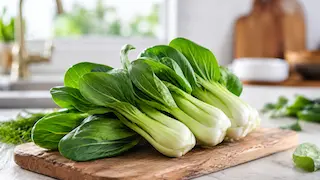
Bok choy is a leafy green Chinese vegetable with crisp pale stems and tender green leaves. It is common in Chinese home cooking, but it is also easy to use in North American and British kitchens because it cooks quickly and pairs well with garlic, ginger, soy sauce, oyster sauce, sesame oil, noodles, rice, chicken, tofu, and beef.
You may also see bok choy spelled pak choi or pok choi. Baby bok choy is a smaller, more tender version that is especially good for quick stir-fries and simple vegetable sides.
What Is Bok Choy?
Bok choy is a type of Chinese cabbage, but it does not form a tight head like green cabbage or napa cabbage. Instead, it grows in clusters of spoon-shaped leaves attached to crunchy stems.
The stems are juicy and mild. The leaves cook down quickly like spinach or other tender greens. This two-texture quality is what makes bok choy useful: the stems give crunch, while the leaves absorb sauce and aromatics.
What Does Bok Choy Taste Like?
Bok choy tastes mild, fresh, grassy, and slightly peppery. Baby bok choy is usually sweeter and more tender. Larger bok choy can taste a little more mineral or cabbage-like, especially in the leaves.
It is not as strong as kale and not as bitter as some mustard greens. That makes it a friendly vegetable for beginners who want to cook more Chinese-style greens at home.
Bok Choy Nutrition
Bok choy is a leafy green vegetable and is generally low in calories. It contains fiber and naturally occurring vitamins and minerals found in many green vegetables, including vitamin C, vitamin K, and folate.
This page does not make medical claims, and nutrition can vary by serving size and preparation. The practical takeaway is simple: bok choy is a fresh vegetable that can add volume, texture, and color to meals without needing a heavy sauce.
How To Cook Bok Choy
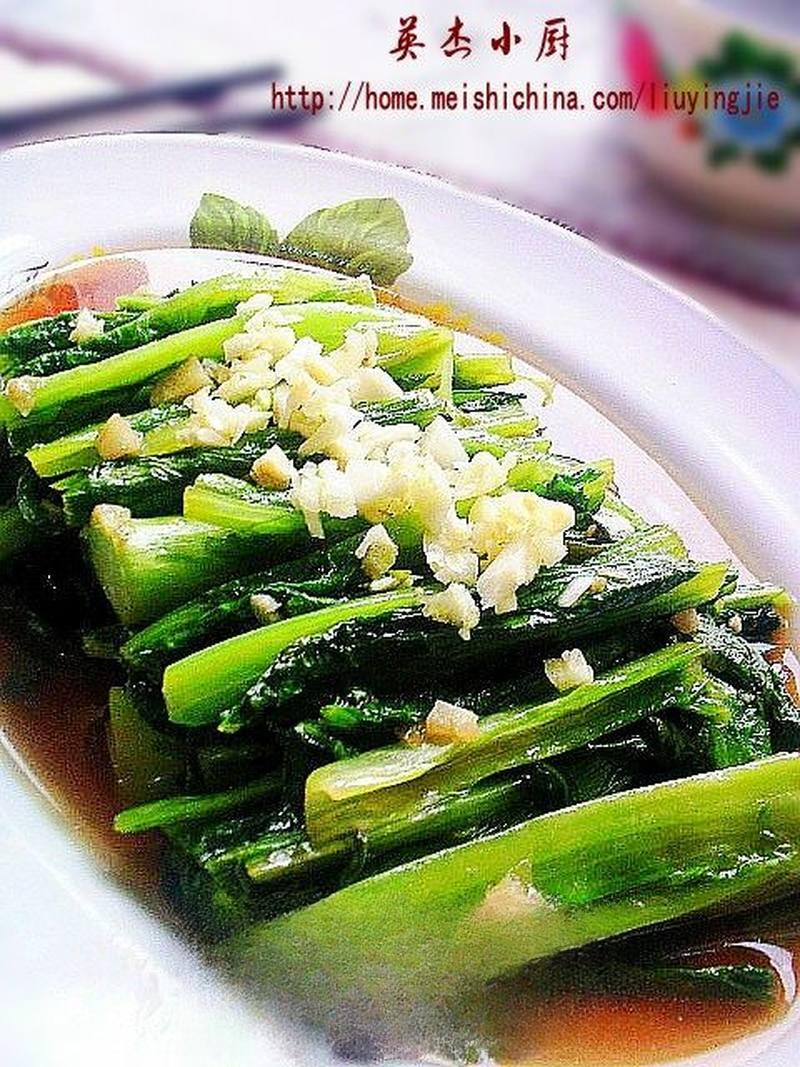
Bok choy can be stir-fried, steamed, blanched, roasted, grilled, or added to soups. The most common Chinese home-cooking method is a quick stir-fry with garlic.
For larger bok choy, separate the stems and leaves. Add the stems first because they need more time. Add the leaves near the end so they wilt without turning mushy.
For baby bok choy, you can halve or quarter the heads lengthwise and cook them quickly in a hot pan. A splash of water can help steam the stems while keeping the greens bright.
If you are cooking bok choy for the first time, keep the seasoning simple. Garlic, a little oil, a pinch of salt, and a splash of water are enough to learn the timing. Once the stems are crisp-tender, you can add oyster sauce, light soy sauce, or sesame oil for more flavor.
Bok Choy vs Napa Cabbage
Bok choy and napa cabbage are both Chinese vegetables, but they are not the same. Bok choy has distinct stems and dark leaves. Napa cabbage forms a long, pale, crinkled head with softer leaves.
Bok choy is better for quick stir-fries, simple sides, and dishes where you want defined stems. Napa cabbage is better for dumpling fillings, soups, hot pot, braises, and dishes where the cabbage softens into the sauce.
Can You Eat Bok Choy Raw?
Yes, bok choy can be eaten raw, especially baby bok choy. Slice it thinly for salads or slaws. The stems are crisp and refreshing, while the leaves taste mild and green.
Raw bok choy should be washed well because dirt can hide near the base. If the flavor feels too strong raw, blanch it briefly or stir-fry it instead.
How To Store Bok Choy
Store bok choy unwashed in the refrigerator, ideally in a loose produce bag or container that prevents it from drying out. Wash it right before cooking.
If the leaves begin to wilt slightly, trim the base and soak the stems briefly in cold water. Use it soon for the best texture.
Best Recipes With Bok Choy
Bok choy works beautifully in garlic stir-fries, noodle soups, rice bowls, tofu dishes, and quick sides with oyster sauce. It can also be paired with mushrooms, beef, chicken, shrimp, or eggs.
When you are learning, start with garlic bok choy. It teaches the basic timing: stems first, leaves last, sauce at the end.
FAQs
Is bok choy Chinese cabbage?
Yes. Bok choy is a type of Chinese cabbage, but it grows in open clusters rather than a tight head.
Is bok choy the same as pak choi?
Yes. Bok choy and pak choi are different English spellings for the same vegetable.
How do you clean bok choy?
Cut off the base, separate the stems, and rinse between them. Dirt often hides near the bottom.
Can you substitute napa cabbage for bok choy?
Sometimes, but the texture will be different. Napa cabbage is softer and more watery, while bok choy has crisp stems.
What is the easiest way to cook bok choy?
Stir-fry it with garlic, a small amount of oil, and a splash of water or sauce until the stems are crisp-tender.
Conclusion
Bok choy is a mild, crisp, beginner-friendly Chinese vegetable. Once you learn to cook the stems and leaves at the right pace, it becomes one of the easiest greens to add to stir-fries, soups, and weeknight meals.
Related Guides and Recipes