Recipe Hub
Chinese Recipes
Explore authentic Chinese recipes for home cooking, including stir-fries, soups, noodles, vegetables, chicken, pork, beef, and easy everyday dishes.
Introduction
Chinese recipes cover much more than a handful of restaurant dishes. At home, Chinese cooking is practical, flexible, and built around the food people actually want to eat with rice, noodles, soup, and seasonal vegetables. Some dishes are quick stir-fries that come together in one pan. Others are slow braises, steamed fish, simple soups, noodle bowls, dumplings, tofu dishes, or vegetable sides that make a meal feel complete.
This hub is designed as a useful starting point for cooking Chinese food at home. It brings together traditional flavors, easy everyday dishes, pantry guidance, cooking methods, and selected recipes from the current Home Wok Recipes recipe collection. You can use it when you want a broad overview, or when you are trying to decide whether tonight should be a chicken stir-fry, a pork braise, a noodle dish, a vegetable side, or a soup.
What Makes Chinese Recipes Unique
Chinese cooking often depends on balance: salty and sweet, rich and fresh, tender and crisp, mild and aromatic. A dish may be very simple, but the order of cooking matters. Ginger and scallions might go in early to fragrance the oil. Soy sauce may be added before liquid so it deepens in the pan. Vinegar might be saved until the end so it stays bright. These small decisions are what make many Chinese recipes feel layered without being complicated.
Another important part is texture. Vegetables are often cooked until crisp-tender rather than soft. Tofu may be fried, simmered, steamed, or gently thickened in sauce. Meat is frequently sliced thin so it cooks quickly and stays tender. Soups may be light and clean, while braised dishes reduce into glossy sauces. Once you begin to notice these patterns, the recipes become easier to understand and easier to adapt.
Essential Chinese Pantry Ingredients
You do not need every specialty sauce to begin. A small pantry can carry many Chinese recipes, especially when paired with fresh aromatics and a few everyday proteins or vegetables. For more detail, visit the ingredient guide.
Light soy sauce
Everyday savory seasoning for stir-fries, marinades, dipping sauces, and quick noodle dishes.
Dark soy sauce
Used in smaller amounts for color, gentle sweetness, and the deep look of many braised dishes.
Ginger, garlic, and scallions
The aromatic base for countless Chinese recipes, from steamed fish to vegetable stir-fries.
Rice vinegar or black vinegar
Adds brightness to cold dishes, sweet-and-sour sauces, noodles, and rich braises.
Cornstarch
Thickens sauces, protects sliced meat, and helps create crisp coatings for fried recipes.
Sesame oil and neutral oil
Neutral oil handles high heat, while sesame oil is usually used at the end for aroma.
Popular Chinese Cooking Methods
Method is often the easiest way to choose a recipe. If you want speed, choose stir-frying. If you want deeper sauce and tender meat, choose braising. If you want clean, gentle cooking, steaming is a good path.
Stir-frying
Fast cooking over lively heat, best with prepared ingredients, quick sauces, and vegetables or sliced proteins.
Braising
Slow simmering with soy sauce, aromatics, spices, sugar, wine, and water or stock until the sauce becomes rich.
Steaming
Gentle cooking for fish, eggs, tofu, buns, and vegetables, often finished with scallions, ginger, sauce, or hot oil.
Soups and simmered dishes
Comforting recipes that can be light and clean or hearty enough to anchor a meal.
Frying
Used for crisp fish, tofu, ribs, chicken, and snacks before a final sauce or seasoning.
Cold and tossed dishes
Blanched or cooked ingredients tossed with vinegar, soy sauce, garlic, sesame oil, or chili oil.
Chinese Recipes by Category
Browse by ingredient, meal type, or cooking method when you already know what you want to cook. These category paths are useful shortcuts for building a meal around chicken, pork, beef, noodles, soup, vegetables, stir-fries, steamed dishes, or braises.
Chicken Recipes
Comforting chicken dishes for stir-fries, braises, soups, and rice-friendly weeknight meals.
Pork Recipes
Home-style pork recipes with ribs, belly, ground pork, tender slices, and savory sauces.
Beef Recipes
Beef dishes for braising, quick frying, noodle bowls, and deeper soy-based flavors.
Noodle Recipes
Noodles for quick lunches, saucy bowls, stir-fried meals, and comforting everyday cooking.
Soup Recipes
Gentle soups and simmered dishes that round out a Chinese home-cooked table.
Vegetable Recipes
Simple vegetable dishes with cabbage, potatoes, greens, mushrooms, aromatics, and crisp textures.
Stir-Fry Recipes
Fast wok dishes that teach heat control, sequencing, aromatics, and sauce coating.
Steamed Recipes
Gentle steamed eggs, tofu, fish, buns, cakes, pork, and everyday home-style dishes.
Braised Recipes
Soy-based braises, red-braised dishes, saucy meats, tofu, fish, and vegetables.
Featured Chinese Recipes
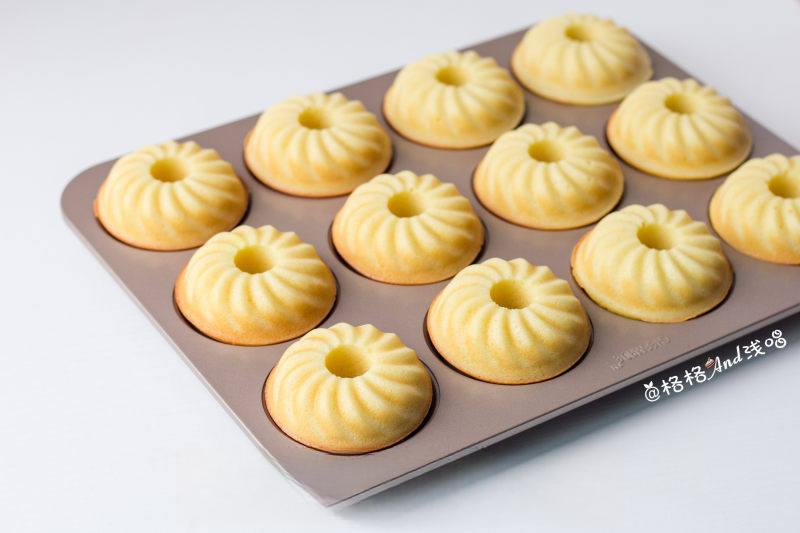
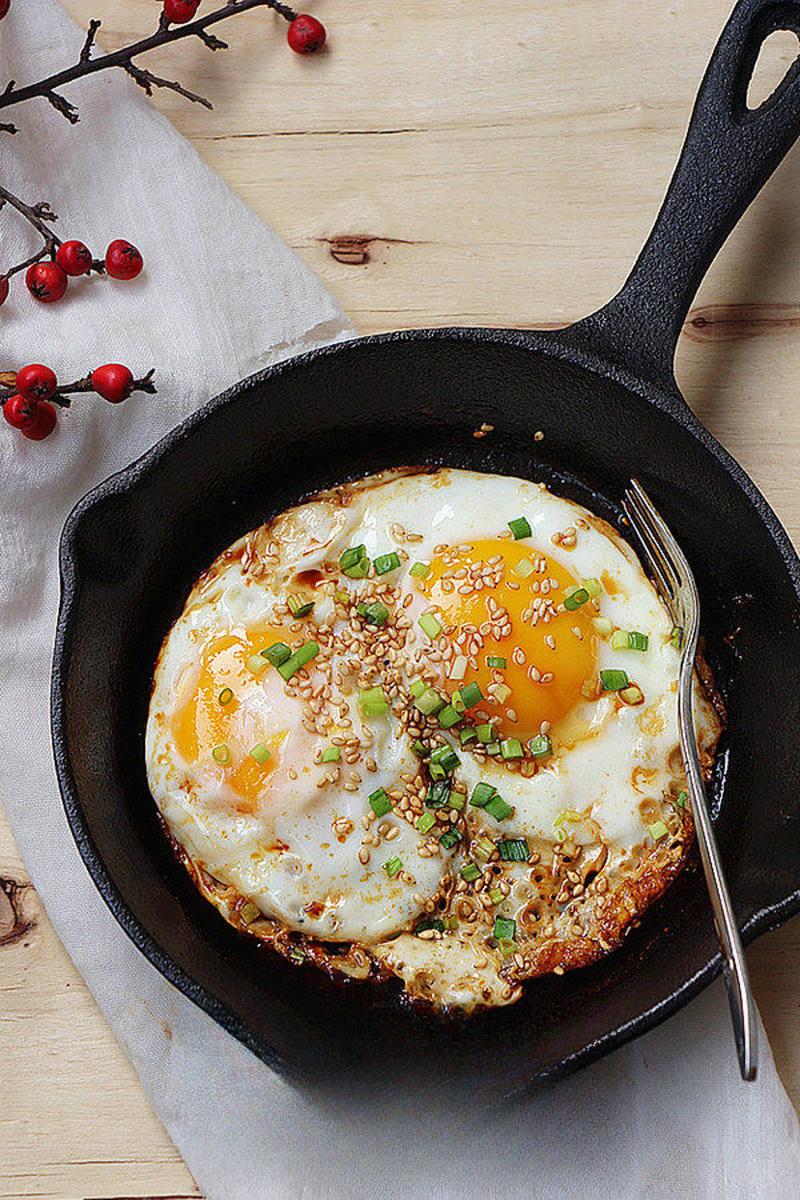
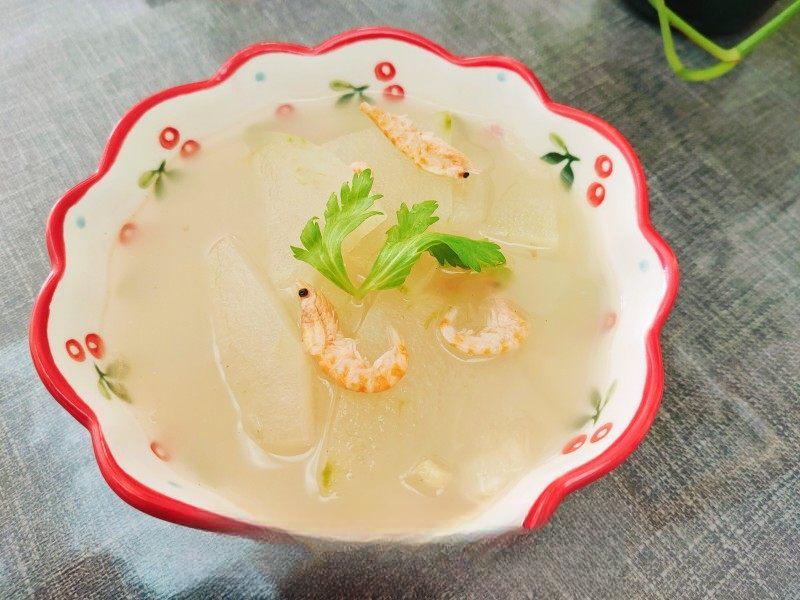
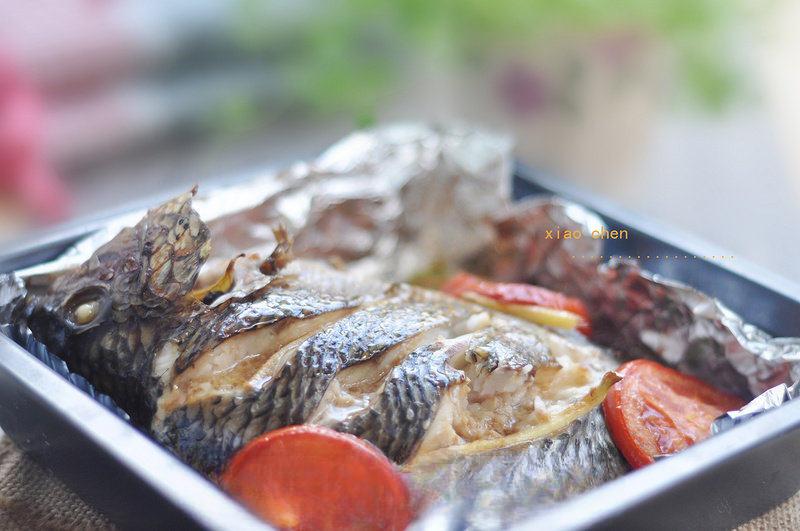
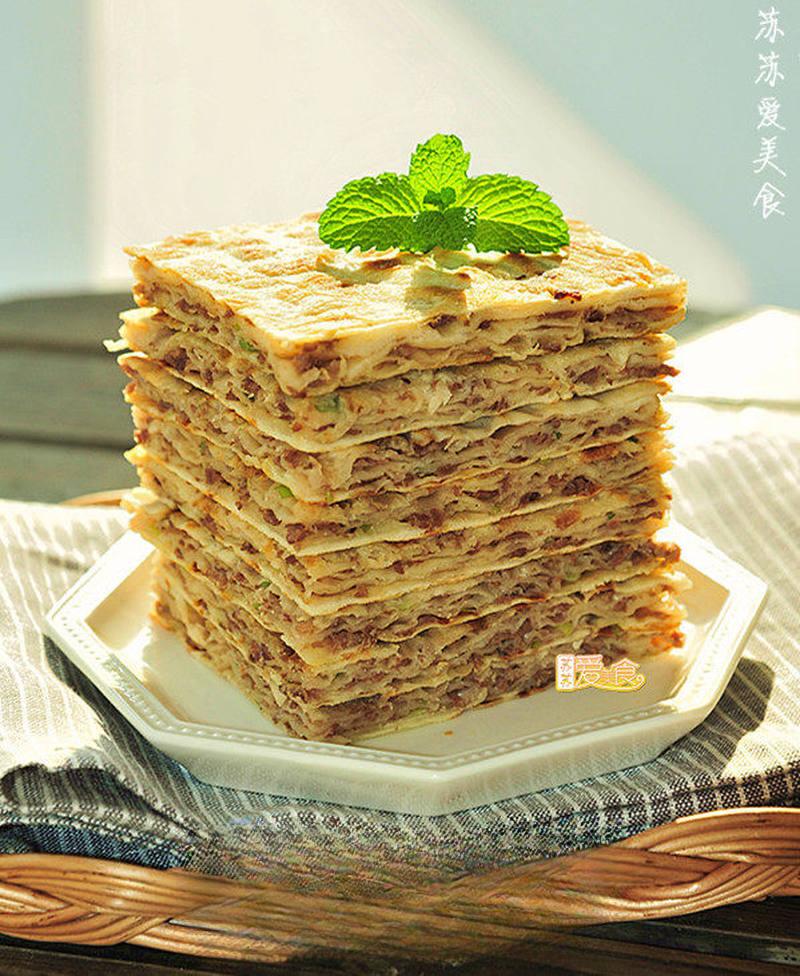
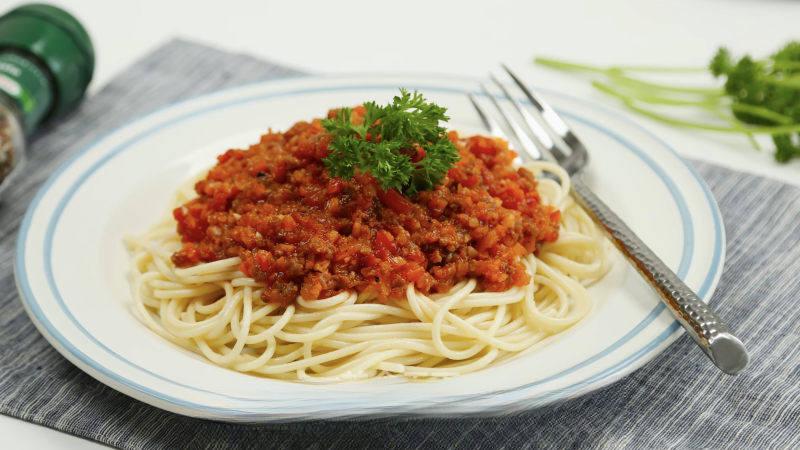
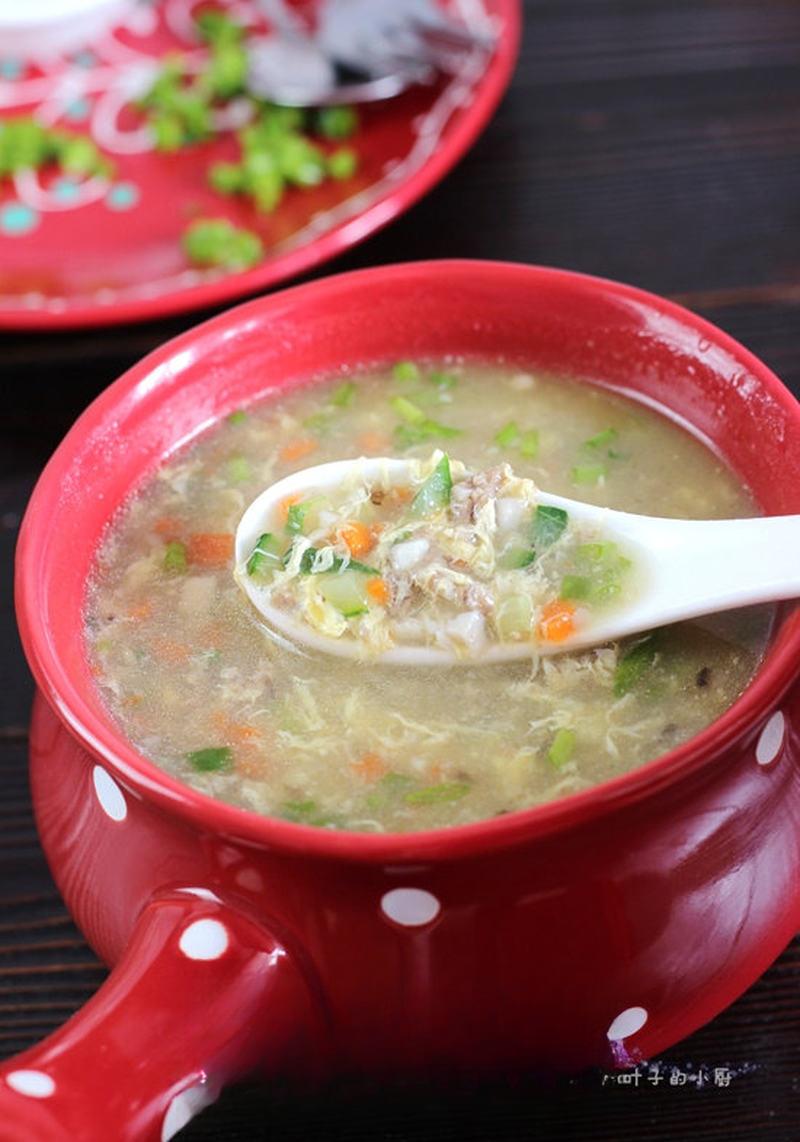
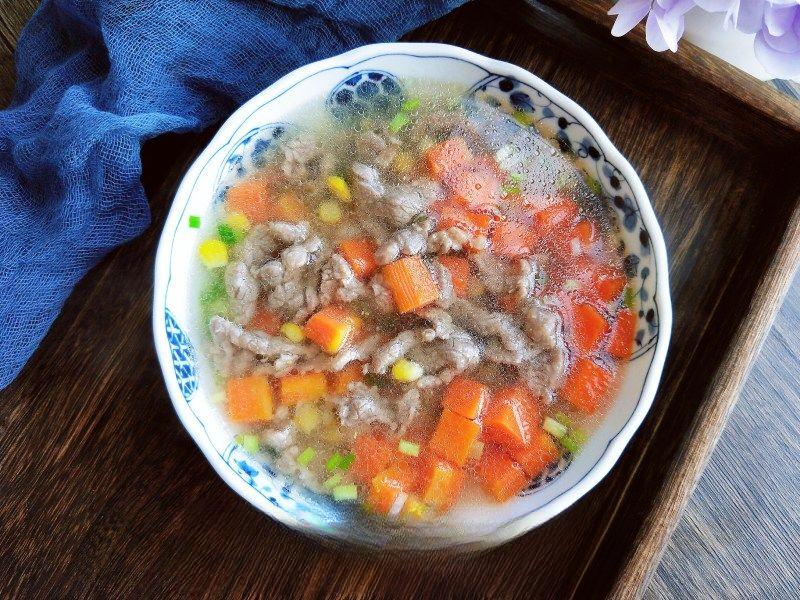
These recipes are selected from the current site data to show a useful mix of everyday ingredients, cooking methods, and home-style dishes.
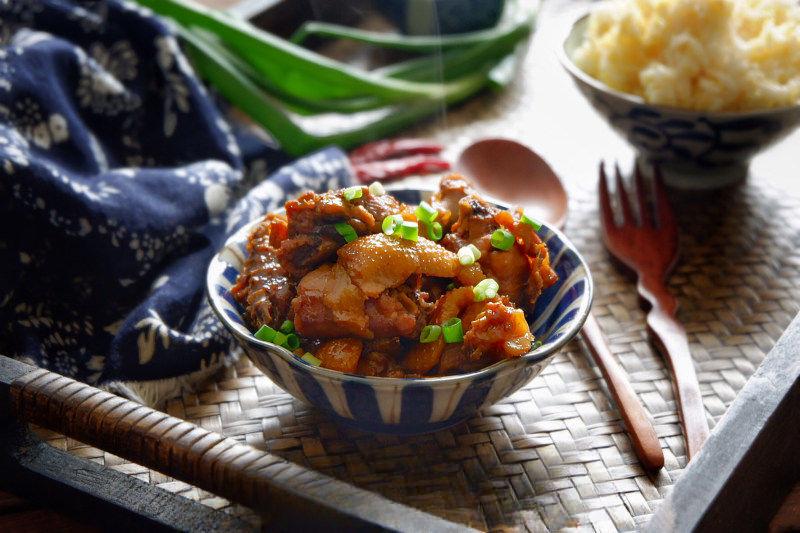
Latest Chinese Recipes
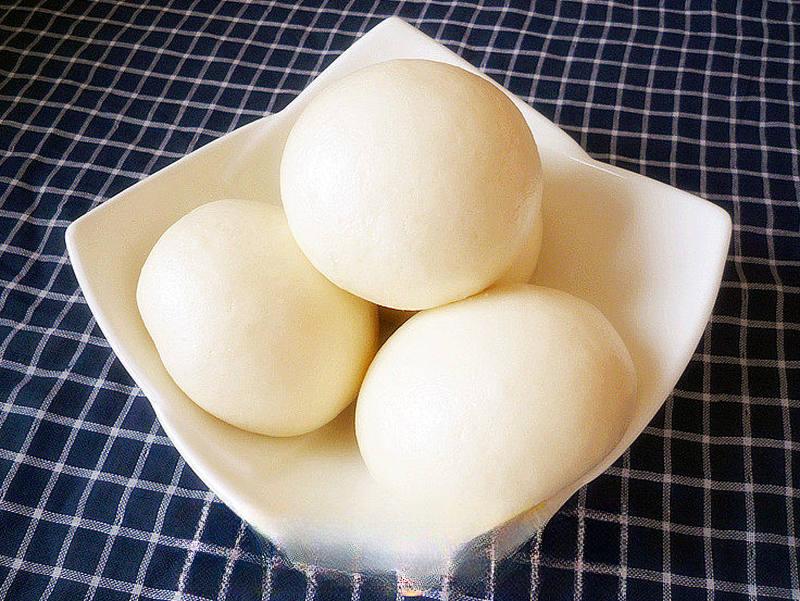
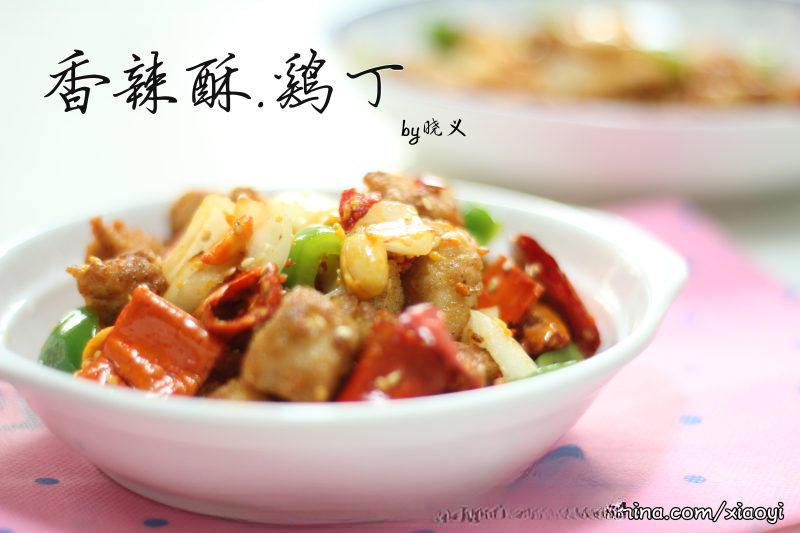
Browse the latest recipes available in the collection. As the recipe library grows, this section gives returning cooks a quick way to find something new.
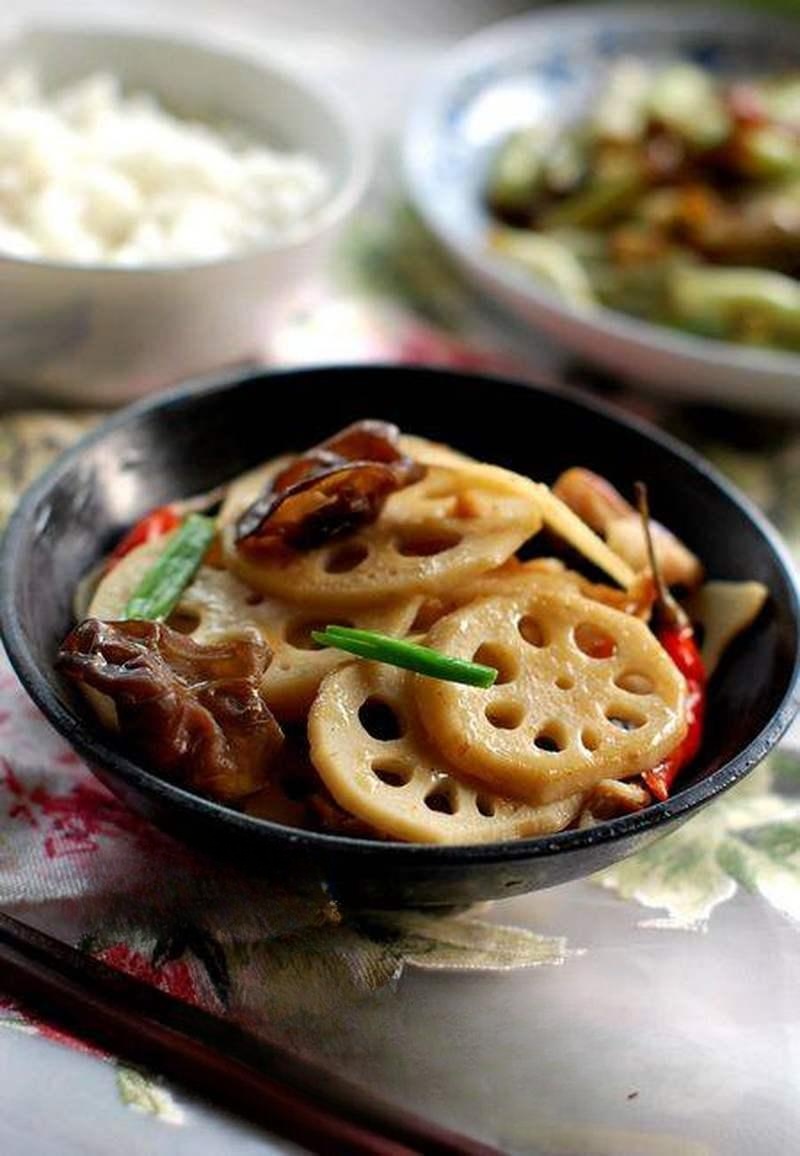

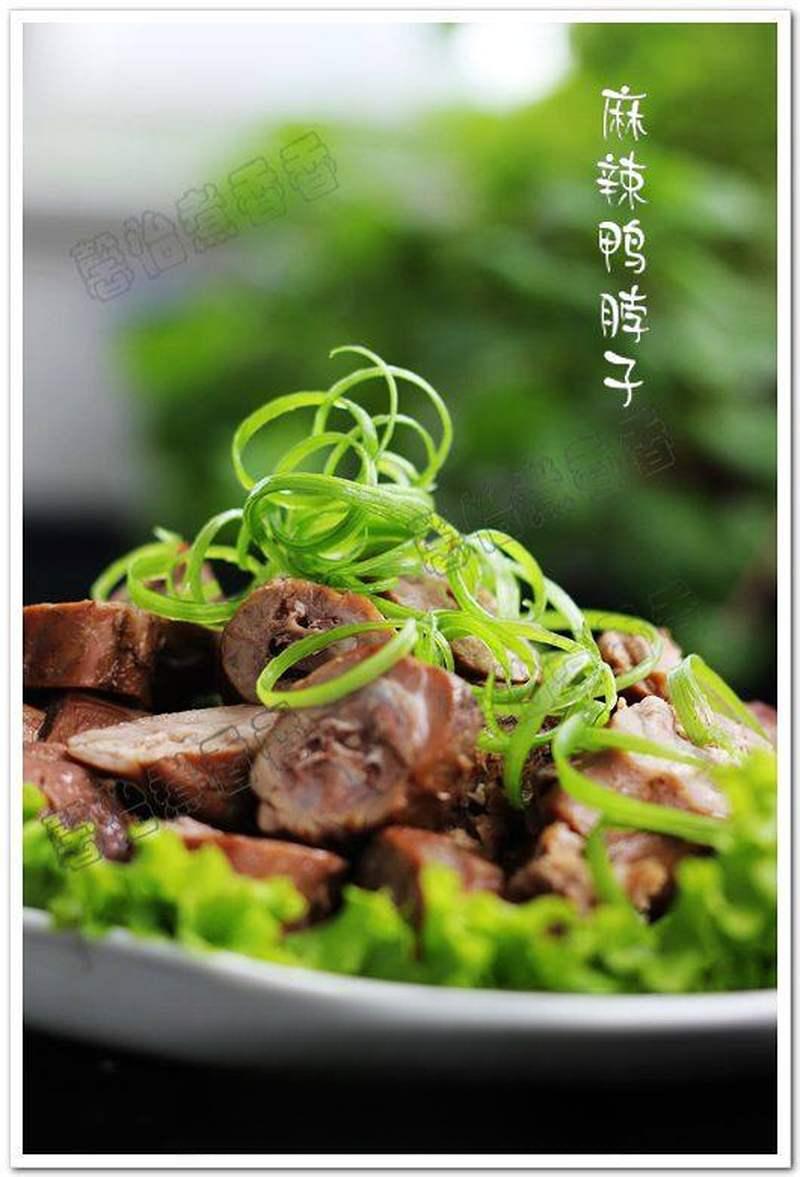
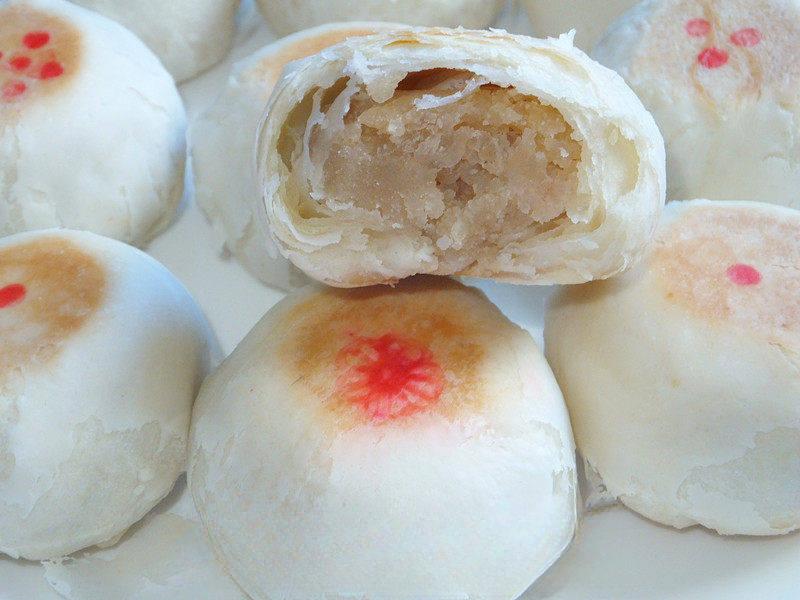
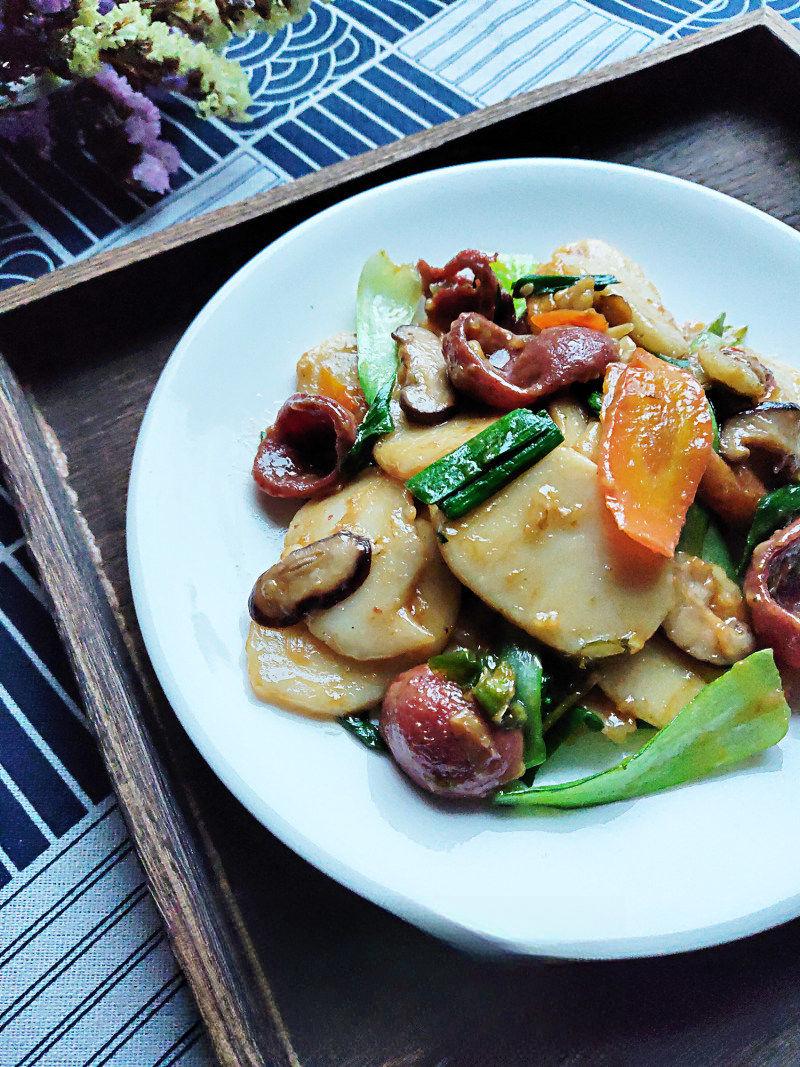
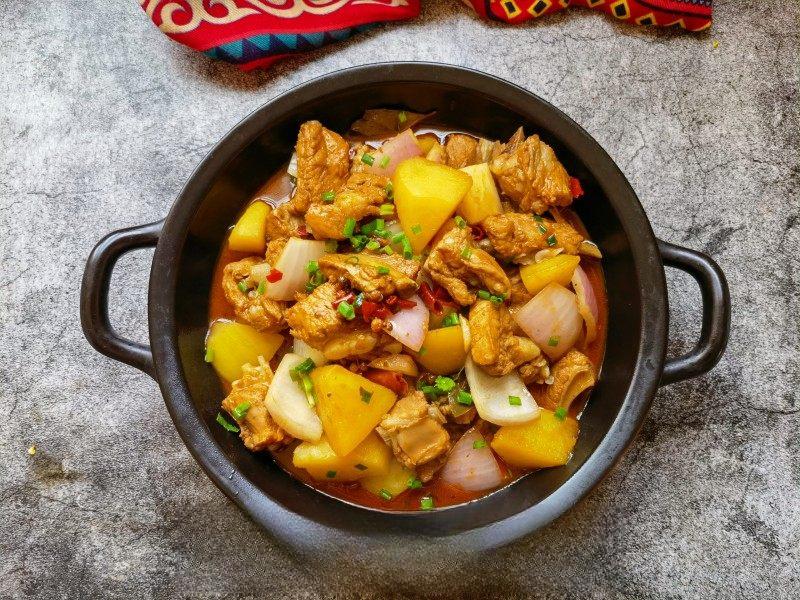
FAQ
What are good Chinese recipes for beginners?
Start with simple stir-fries, tofu dishes, steamed eggs, vegetable recipes, and quick chicken or pork dishes. These teach timing, aromatics, and sauce balance without requiring complicated equipment.
Do I need a wok to cook Chinese recipes at home?
A wok is helpful for stir-frying, but many Chinese recipes can be cooked in a skillet, saucepan, Dutch oven, or steamer. Good preparation and heat control matter more than owning one perfect pan.
What ingredients should I keep for Chinese cooking?
A practical starter pantry includes light soy sauce, dark soy sauce, rice vinegar or black vinegar, sesame oil, ginger, garlic, scallions, cornstarch, and a neutral high-heat cooking oil.
Are Chinese recipes always spicy?
No. Chinese cooking includes mild steamed dishes, savory braises, sweet-and-sour recipes, soups, vegetable stir-fries, noodles, and many dishes where chili is optional or adjustable.
How do I choose what Chinese recipe to cook first?
Choose by method and time. Pick a short stir-fry when you want speed, a steamed dish when you want gentle cooking, or a braise when you want a saucy main dish with rice.