Chinese Recipe Category
Chinese Vegetable Recipes
Browse Chinese vegetable recipes with stir-fried greens, cabbage, potatoes, mushrooms, tofu, eggplant, cold dishes, and easy home-style sides.
Introduction
Chinese vegetable recipes are not afterthoughts. On a home table, vegetables often provide the freshness, crunch, lightness, or gentle sweetness that balances richer meat dishes and rice. A plate of stir-fried greens, shredded potatoes, cabbage, mushrooms, tofu, eggplant, or cold tossed vegetables can be simple, but the details still matter: heat, timing, aromatics, moisture, and when to season.
Many Chinese vegetable dishes are fast because the goal is to preserve texture. Greens should stay bright, potatoes may stay crisp, mushrooms should taste juicy rather than watery, and cabbage can be tender without collapsing. Other vegetable recipes simmer longer, especially when tofu, eggplant, beans, or root vegetables are meant to absorb sauce.
This collection focuses on Chinese vegetable recipes for real home cooking: side dishes, light mains, tofu-based meals, cold dishes, and vegetable-heavy recipes that work with rice or noodles.
What You'll Find in This Collection
- Fast Chinese vegetable stir-fries with garlic, ginger, scallions, soy sauce, vinegar, or chili.
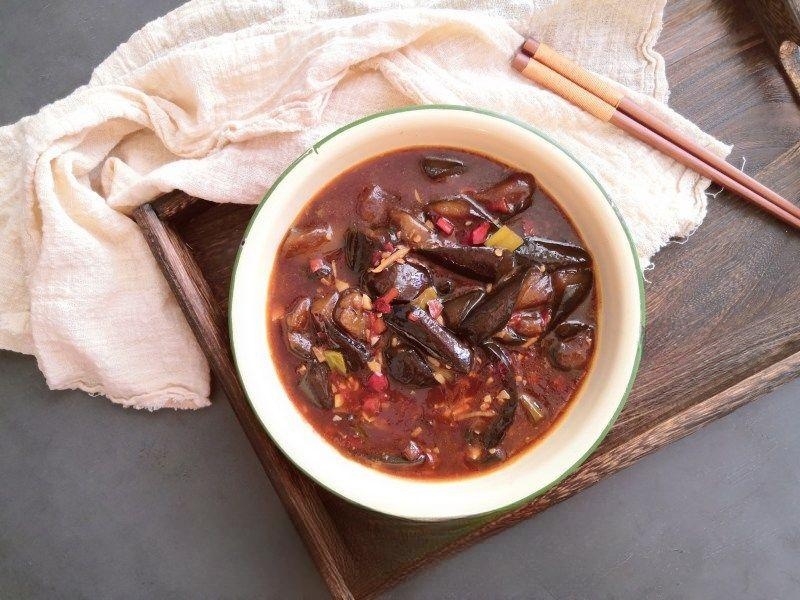
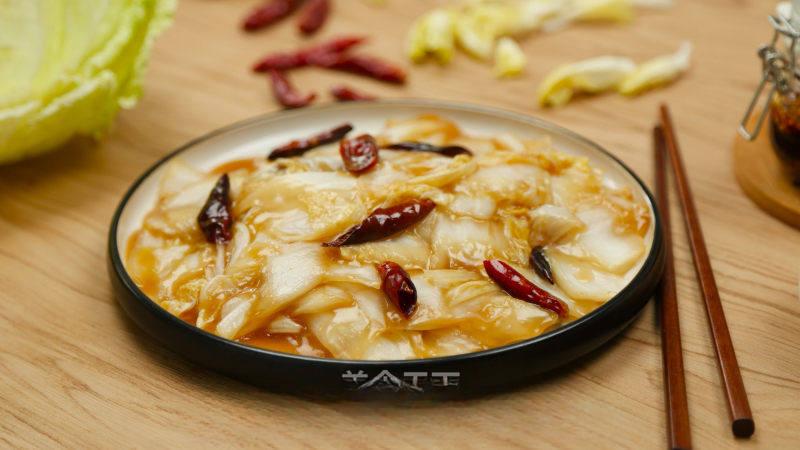
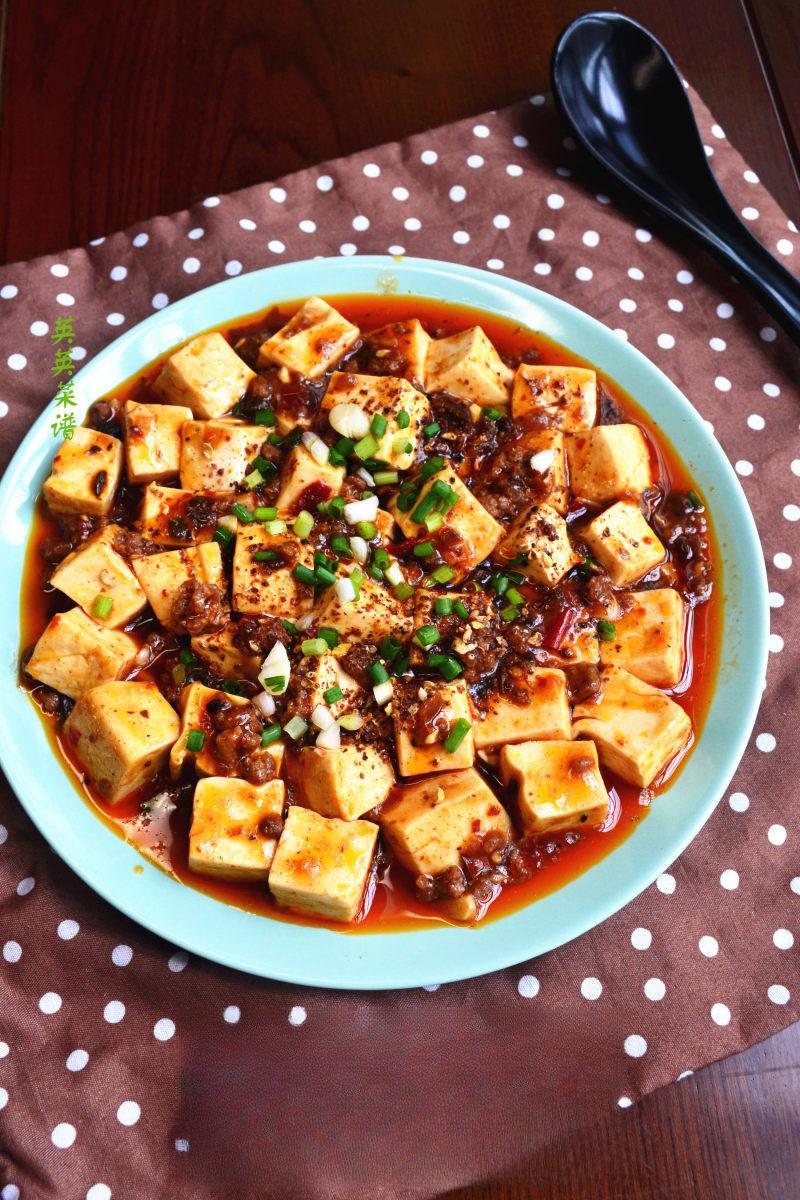
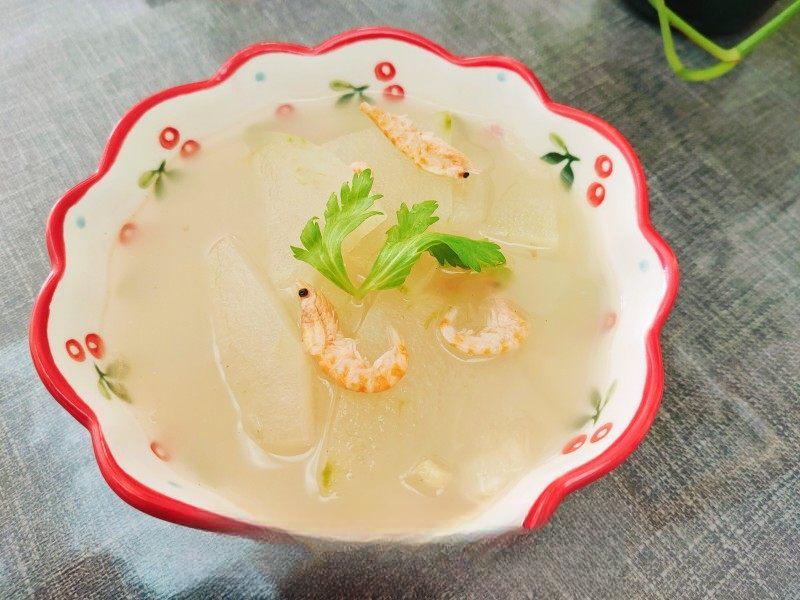
- Cabbage, potato, celery, greens, mushrooms, eggplant, tofu, beans, and lotus root recipes.
- Cold and tossed vegetable dishes with bright sauces and crisp textures.
- Vegetable-heavy dishes that can work as sides or light main courses.
- Practical notes on avoiding sogginess, preserving color, and balancing sauce.
Common Chinese Cooking Methods for This Category
Vegetable cooking in Chinese recipes is often about timing. The goal is usually to keep the ingredient lively while still giving it enough seasoning.
High-heat stir-frying
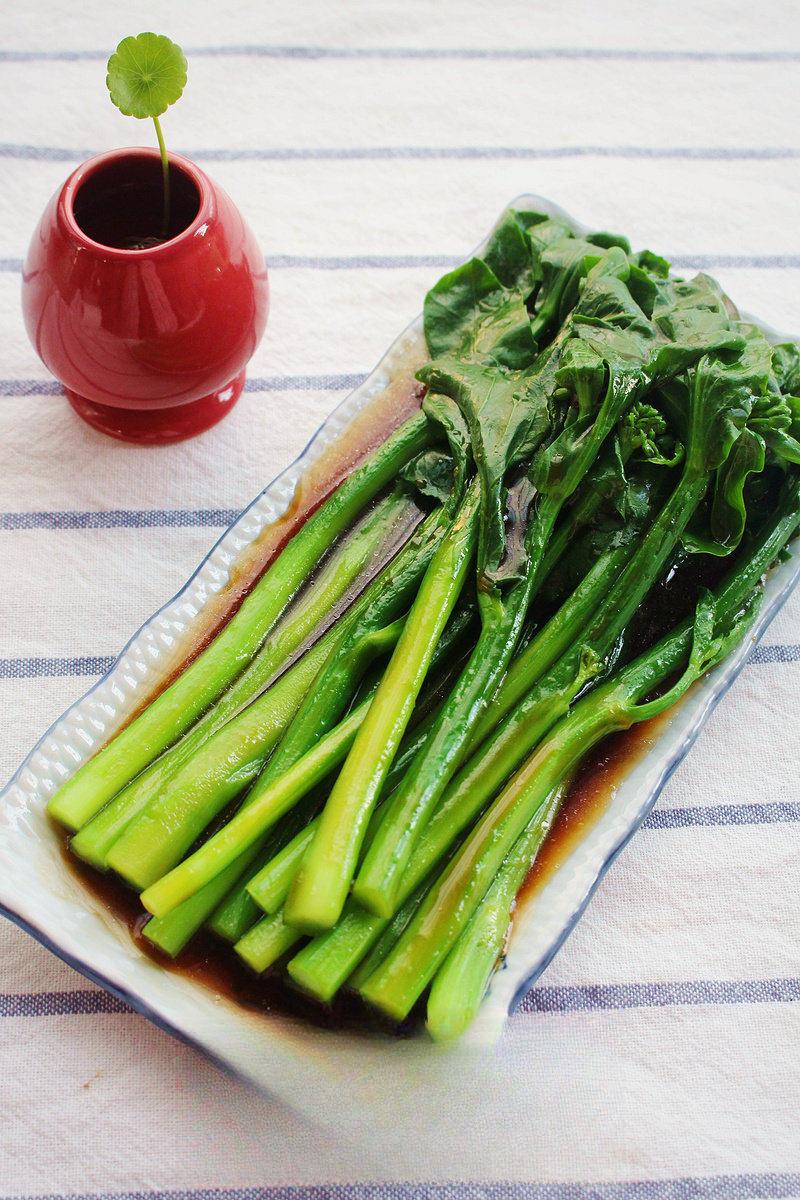
Quick stir-frying keeps vegetables crisp and aromatic. Cut evenly, keep the pan hot, and add salt or sauce at the right moment so the vegetables do not release too much water.
Blanching before stir-frying
Some vegetables benefit from a brief blanch before stir-frying. This can set color, remove rawness, and shorten pan time.
Braising vegetables
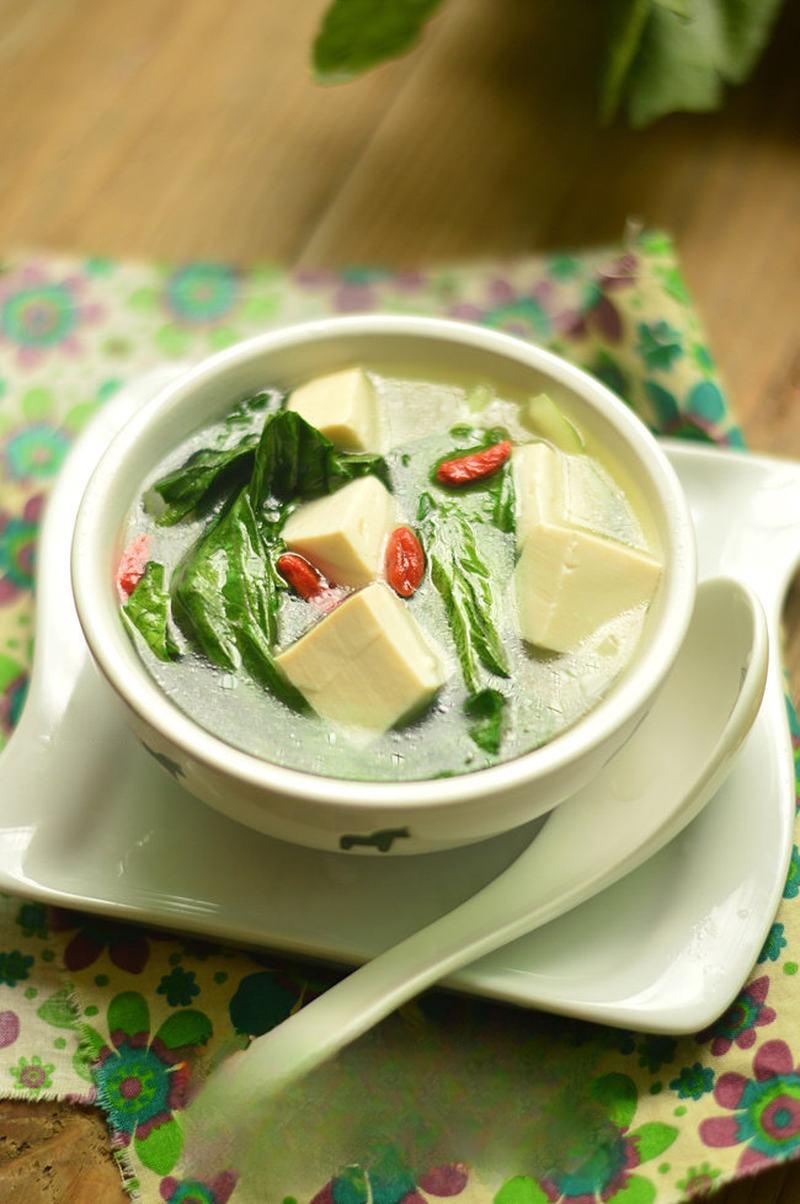
Tofu, eggplant, mushrooms, cabbage, beans, and root vegetables can absorb savory sauces when braised gently.
Cold tossed dishes
Blanched or raw vegetables can be tossed with vinegar, soy sauce, sesame oil, garlic, chili oil, or sugar for a refreshing side.
Common Ingredients Used in This Category
A few pantry ingredients can turn simple vegetables into complete Chinese side dishes.
Garlic and ginger
Garlic is especially common in vegetable stir-fries, while ginger adds warmth to greens, mushrooms, tofu, and cabbage.
Soy sauce and oyster-style sauces
Soy sauce adds savory depth, and oyster sauce-style seasonings can create a glossy vegetable sauce.
Vinegar
Vinegar is useful for shredded potatoes, cold dishes, cabbage, and recipes where brightness matters.
Chili oil or dried chilies
Heat is optional, but a little chili can make cabbage, beans, eggplant, and cold vegetables more lively.
Chinese Recipes by Category
Move between related Chinese recipe categories when you want to plan a full meal or switch the main ingredient.
How to Use This Category Page
Start with the featured recipes if you want the clearest path into this category. Those dishes are selected to show useful Chinese cooking patterns, not just to fill a grid. Look at the cooking method first, then the main ingredient, then the timing. A recipe that teaches stir-frying will help you practice speed and sequencing, while a braised or simmered recipe will teach sauce reduction, patience, and how aromatics change over time.
The latest recipes section is better when you want to browse more freely. Some dishes may be very simple, while others may be more specific or regional in style. If a title sounds unfamiliar, open the recipe and scan the ingredient list before deciding. Many Chinese home recipes are more approachable than their names suggest once you recognize the pantry pattern: soy sauce, ginger, garlic, scallions, vinegar, starch, and a fresh main ingredient.
When planning a meal, pair one stronger dish from this page with something lighter from another category. A saucy main works well with a vegetable recipe, a noodle dish can be balanced with soup, and a simple stir-fry can sit next to rice and a cold side. The goal is not to cook everything at once; it is to build a table that feels balanced, practical, and repeatable.
Featured Recipes
These featured Chinese vegetable recipes are selected for vegetable focus, useful methods, and home-cooking practicality.
Latest Recipes
The latest vegetable recipes below are loaded from the current recipe data.
FAQ
How do I keep Chinese vegetable stir-fries from getting watery?
Use high heat, avoid overcrowding, dry vegetables well after washing, and add salty sauces after the vegetable has started to cook.
What vegetables are common in Chinese home cooking?
Cabbage, bok choy, potatoes, eggplant, mushrooms, celery, beans, lotus root, greens, peppers, tofu, and wood ear mushrooms are all common.
Can vegetable recipes be a main dish?
Yes. Tofu, eggplant, mushrooms, potatoes, beans, and cabbage can all become satisfying mains when paired with rice or noodles.
Why do some recipes blanch vegetables first?
Blanching can preserve color, reduce rawness, remove bitterness, and make the final stir-fry faster and more controlled.
Chinese vegetable recipes are a good way to practice heat and timing without overcomplicating dinner. Start with one vegetable, one aromatic, and one simple sauce, then build from there.