Beginner-Friendly Collection
Easy Chinese Home Cooking Recipes
Find easy Chinese home cooking recipes with clear English instructions, familiar methods, flexible ingredients, and practical weeknight cooking notes.
Introduction
Easy Chinese recipes are not watered-down versions of Chinese food. They are the dishes and methods that make sense when you are cooking at home, managing time, and trying to build confidence. A good easy recipe should teach you something useful without asking you to buy a dozen new ingredients or juggle five pans at once. It should also taste like real food: savory, balanced, and satisfying enough to make again.
This page collects recipes that are approachable because of their timing, ingredient list, or cooking method. Some are quick stir-fries. Some are simple steamed dishes. Some are braises that take longer on the clock but do not demand constant attention. The common thread is clarity. You should be able to read the method, prepare the ingredients, and understand what is supposed to happen in the pan.
If you are new to Chinese home cooking, start by building a small pantry and learning a few repeatable habits. Cut ingredients evenly. Heat the pan before adding food. Add aromatics briefly so they smell fragrant but do not burn. Taste sauces before they go into the pan. Keep a little water nearby for stir-fries that need steam and a small bowl of cornstarch slurry for sauces that need body. These small habits make recipes easier before the recipe itself even begins.
What This Collection Includes
- Shorter recipes that can work for weeknights, especially dishes around 10 to 30 minutes when the data is available.
- Simple stir-fries using tofu, eggs, potatoes, cabbage, mushrooms, greens, pork, chicken, shrimp, or fish.
- Steamed and simmered dishes that are gentle enough for beginners and less dependent on perfect wok heat.
- Recipes with flexible ingredients, so you can swap vegetables or adjust seasoning without breaking the dish.
- Clear cooking cues such as lightly golden tofu, bubbling sauce, softened vegetables, glossy braising liquid, or crisp edges.
Cooking Methods
For easy Chinese cooking, method choice matters more than ambition. Pick a technique that matches your available time and attention.
Quick stir-fries
Quick stir-fries are the easiest way to practice Chinese cooking rhythm. Prepare ingredients first, keep the sauce nearby, and cook in a hot pan without crowding. Vegetables, eggs, tofu, and small pieces of meat are good choices because they cook quickly and show you results right away.
Simple steaming
Steaming is forgiving because the heat is gentle and even. It is helpful for fish, tofu, eggs, buns, and some vegetables. You still need timing, but you do not have to manage the same fast changes as a stir-fry.
One-pan braises
A braise may not be the fastest method, but it can be easy because the pot does much of the work. Once the aromatics and seasoning are in place, the dish simmers until the sauce reduces and the ingredients become tender.
Cold and tossed dishes
Some Chinese recipes are assembled rather than aggressively cooked. Blanched vegetables, cooked noodles, tofu, or shredded ingredients can be tossed with vinegar, soy sauce, sesame oil, chili oil, garlic, and scallions.
Common Ingredients
A beginner pantry should be useful, not overwhelming. These ingredients appear often and help you cook a wide range of easy Chinese recipes. For a broader pantry overview, visit the Chinese ingredient guide.
Light soy sauce
This is the everyday savory seasoning. Use it in sauces, marinades, stir-fries, and dipping mixtures. Start with less than you think you need, then adjust.
Ginger, garlic, and scallions
These aromatics make simple dishes taste finished. Even a plain vegetable stir-fry feels more complete when these are cooked briefly at the beginning.
Cornstarch
Cornstarch helps thicken sauces and can protect meat or tofu during cooking. A small spoonful mixed with water can turn a thin sauce glossy.
Rice vinegar or black vinegar
Vinegar brings brightness. It is useful in cold dishes, sweet-and-sour sauces, noodle bowls, and recipes that need a little lift at the end.
Featured Recipes
These featured recipes are chosen for approachability. Some are fast, some are familiar, and some teach a core method without burying you in complicated steps.
Fried Rice Recipes
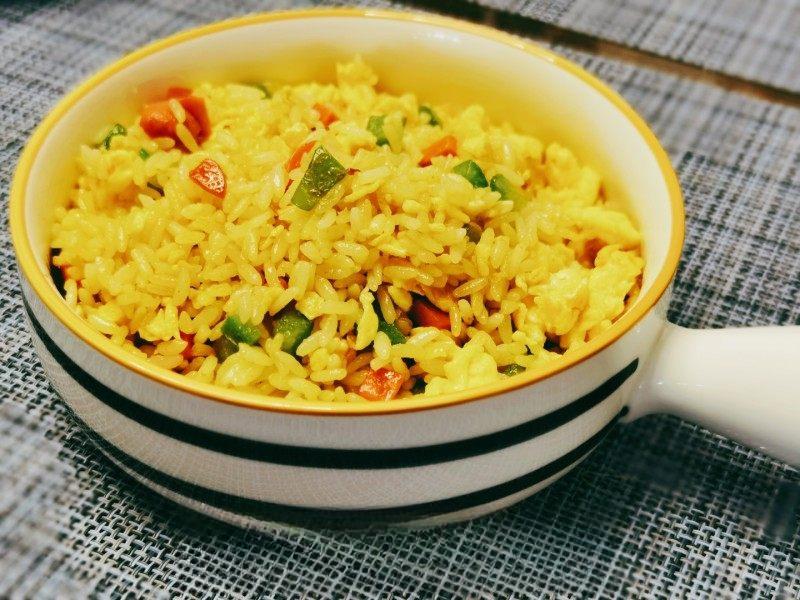
Golden Egg Fried Rice Recipe
This Chinese yellow fried rice recipe is also called golden egg fried rice because egg yolk coats the rice before it goes into the wok. The yolk gives each grain a bright golden color, while scrambled egg, Chinese sausage, and green pepper make the fried rice savory, fluffy, and satisfying. If you are searching for Chinese yellow fried rice recipe, this home-style method focuses on dry day-old rice, separated grains, and a simple egg-forward flavor.
Read the recipe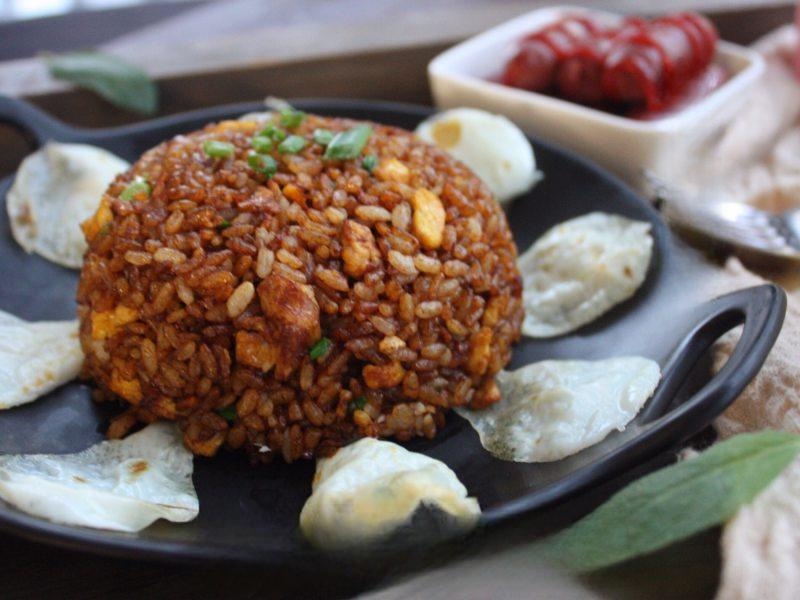
Fried Rice Recipes
Leftover Fried Rice Recipe
Leftover Fried Rice is a quick and flavorful home-style dish made with day-old rice, eggs, pork cracklings, and scallions. The rice is stir-fried until fragrant and lightly seasoned with soy sauce, creating a simple yet satisfying meal that is perfect for using up leftovers.
Read the recipe
Fried Rice Recipes
Omelette Fried Rice
A colorful fried rice packed with mushrooms, sausage, bell peppers, and vegetables, wrapped inside a thin fluffy omelette. Finished with a drizzle of ketchup, this Japanese-inspired omelette fried rice is both satisfying and visually appealing.
Read the recipe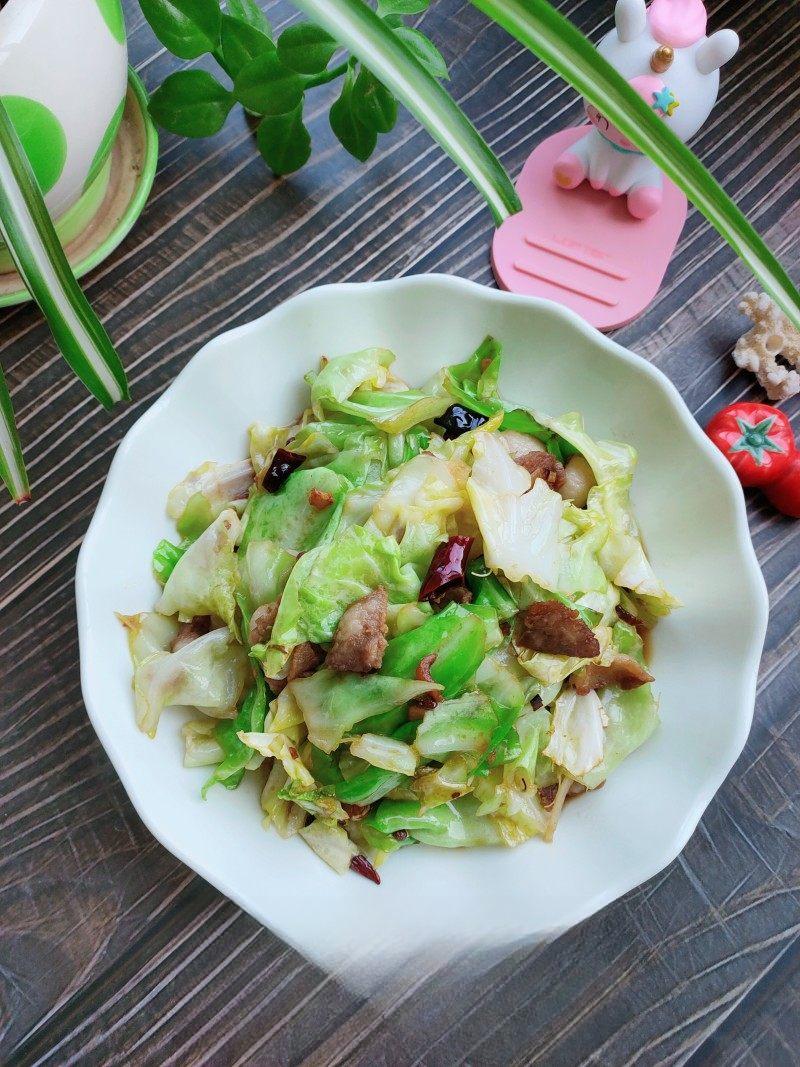
Main Course
Stir-Fried Cabbage with Pork
Stir-Fried Cabbage with Pork is a quick and flavorful Chinese home-style dish made with tender pork slices and crisp cabbage. Cooked over high heat with soy sauce and cooking wine, this simple stir-fry delivers rich savory flavor and pairs perfectly with steamed rice.
Read the recipe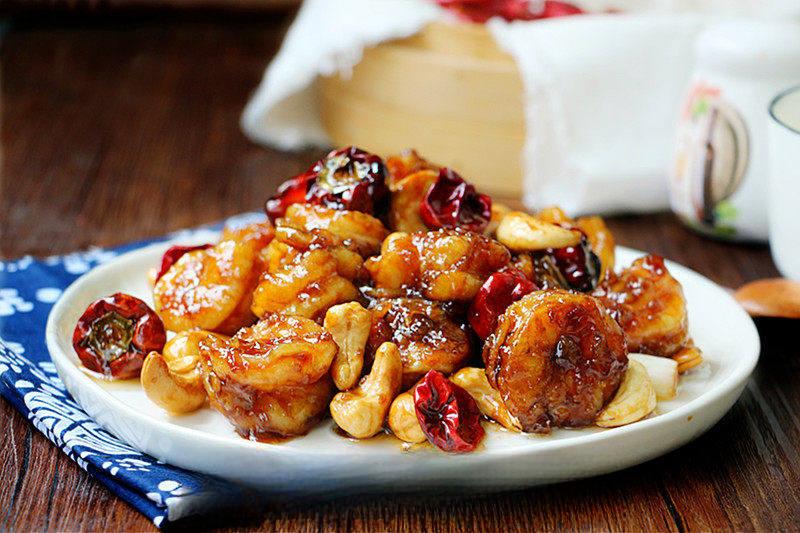
Main Course
Sweet and Spicy Cashew Shrimp
Sweet and Spicy Cashew Shrimp is a restaurant-style Chinese stir-fry featuring crispy shrimp, crunchy cashews, dried chilies, and a glossy sweet-tangy sauce. With a balance of mild heat, nuttiness, and vibrant flavors, this quick seafood dish is perfect for family dinners or entertaining guests.
Read the recipe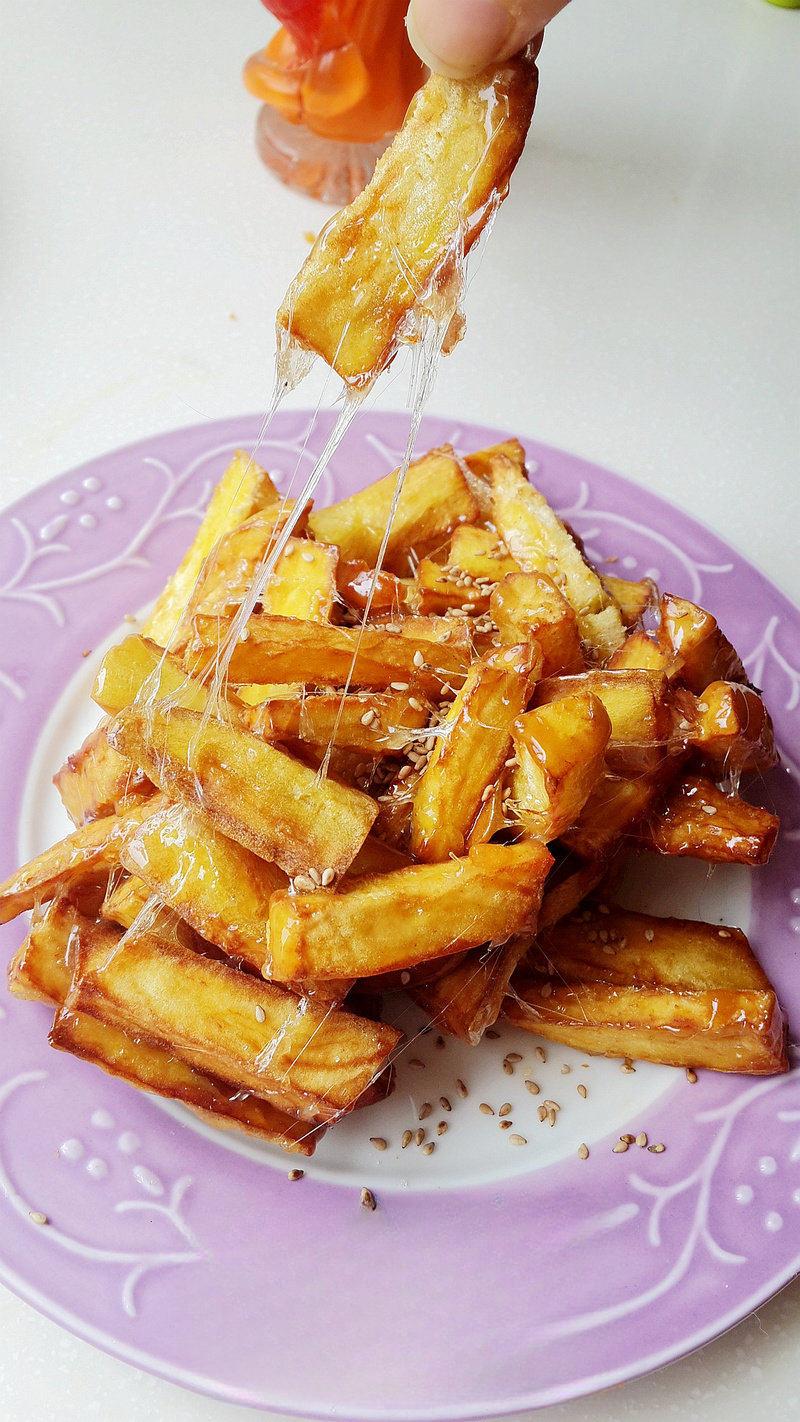
Fried
Candied Sweet Potato Fries
Home-style Chinese recipe: Candied Sweet Potato Fries.
Read the recipe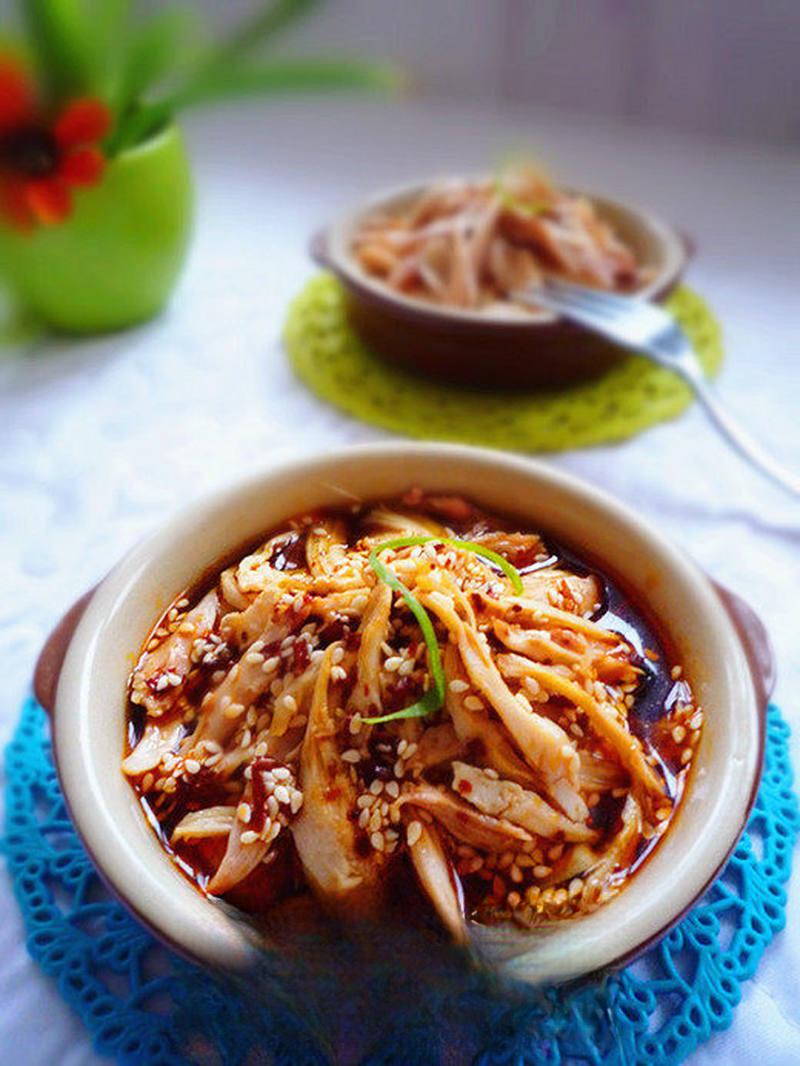
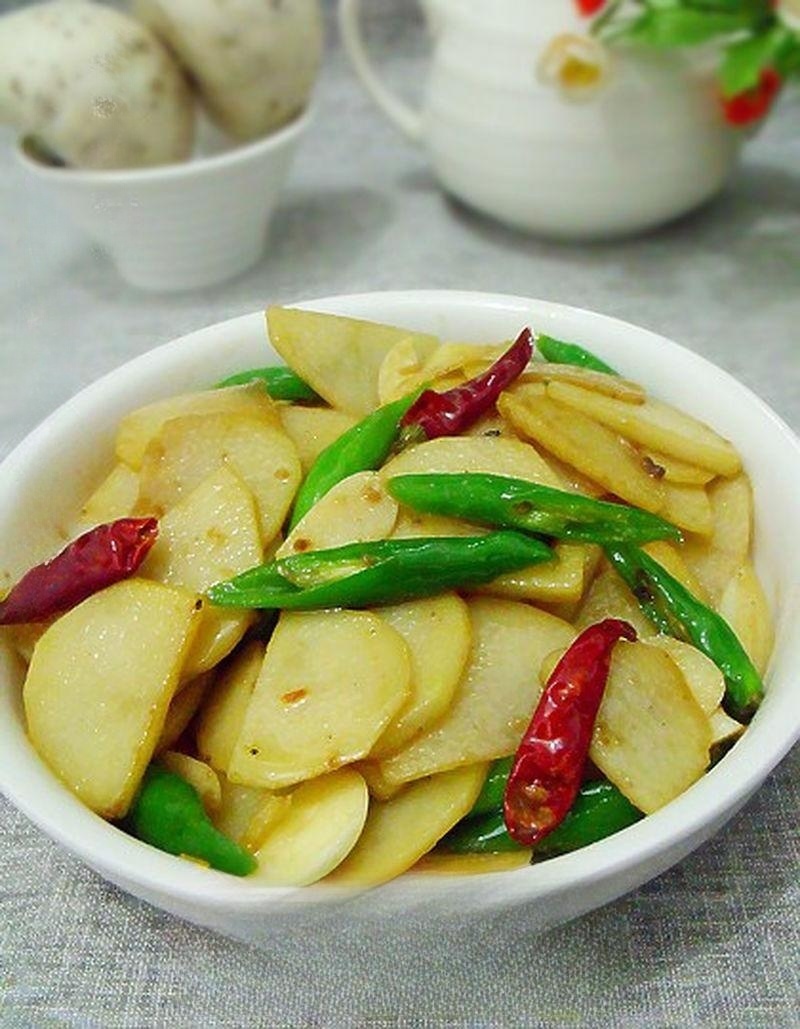
Stir-Fry
Stir-Fried Potatoes and Green Peppers
Home-style Chinese recipe: Stir-Fried Potatoes and Green Peppers.
Read the recipe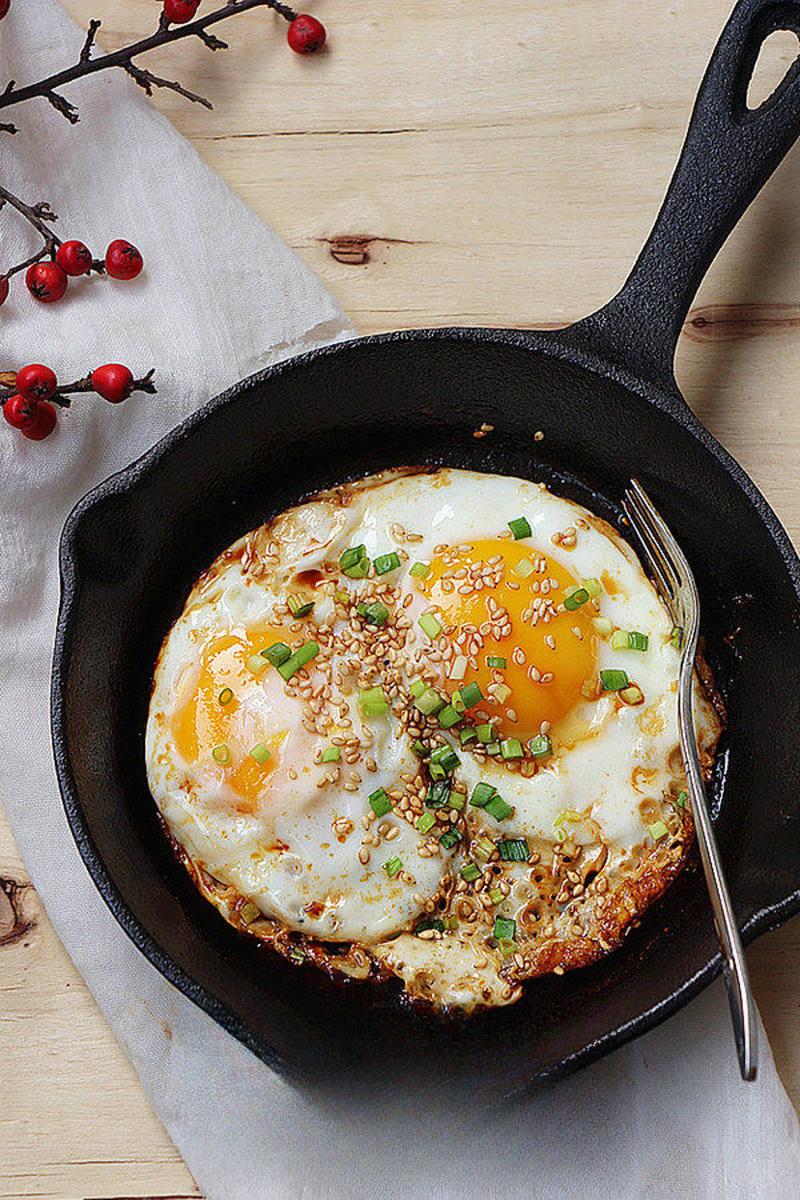
Breakfast
Aromatic Egg Pancake
Aromatic Egg Pancake is a quick and flavorful Chinese home-style dish made with eggs, scallions, soy sauce, and sesame seeds. The eggs are gently pan-fried until golden, then finished with a savory soy-based sauce and fresh scallions for a simple yet satisfying breakfast or side dish.
Read the recipeRecipe Categories
Use these categories as a calm starting path. You do not need to cook the hardest recipe first; it is better to build fluency with a few reliable techniques.
FAQ
What makes a Chinese recipe easy?
An easy Chinese recipe has a manageable ingredient list, clear timing, familiar equipment, and a method that does not require advanced heat control.
Can I cook easy Chinese recipes without Shaoxing wine?
Often, yes. Shaoxing wine adds aroma, but many home recipes can still work if you omit it or use a small amount of dry sherry when appropriate.
What should I cook first?
Try a simple vegetable stir-fry, tofu dish, egg dish, or steamed recipe. These help you learn timing and seasoning without too much pressure.
Are easy Chinese recipes spicy?
Some are spicy, but many are mild, savory, sweet-and-sour, or aromatic. You can often reduce chili oil, chili bean paste, or dried chilies to suit your taste.
How do I avoid overcooking stir-fries?
Cut ingredients evenly, preheat the pan, cook in batches if needed, and stop when vegetables are bright and crisp-tender rather than soft.
The easiest Chinese recipes are the ones you repeat. Do not worry about mastering everything at once. Make a quick stir-fry, notice how the vegetables change, and cook it again with a different ingredient. Steam tofu or fish and pay attention to the sauce. Try a short braise and watch how the liquid becomes glossy.
It also helps to keep one small notebook habit: write down what your pan, stove, and favorite soy sauce do differently from the recipe. Home cooking gets easier when you trust those observations.
Once those patterns feel familiar, more recipes open up. You will understand why aromatics go in early, why starch thickens at the end, why some vegetables need a splash of water, and why a sauce can be balanced with salt, sweetness, and acid rather than complicated seasoning.