Home-Style Collection
Chinese Food to Cook at Home
Browse Chinese food to cook at home, including family-style dishes, everyday ingredients, rice-friendly meals, and clear home-cooking notes.
Introduction
Homemade Chinese recipes are the practical dishes people make around rice, noodles, seasonal vegetables, tofu, eggs, fish, pork, chicken, and whatever is already in the kitchen. This collection focuses on everyday Chinese home cooking for family meals: some dishes are fast and plain in the best way, some are slow and fragrant, some are steamed because the stove is already busy, and some are fried because a crisp edge makes leftovers feel new again.
A home-cooked Chinese meal usually depends on balance rather than spectacle. One dish may be savory and saucy, another crisp and fresh, another mild enough to calm the table. A vegetable stir-fry can sit next to braised pork. A steamed fish can share space with a cold cucumber dish or a bowl of soup. The point is not to make every plate dramatic. The point is to create a meal that feels complete.
The recipes collected here are useful because they teach the habits behind family-style cooking: how to layer aromatics, when to add soy sauce, why some vegetables are blanched before stir-frying, how to keep tofu from breaking, and how a small amount of vinegar or sugar can round out a sauce. If you are looking for homemade Chinese food or Chinese home cooking recipes, this hub is designed to help you cook dishes that feel grounded and repeatable.
What This Collection Includes
- Family-style mains that pair naturally with steamed rice, noodles, porridge, or simple vegetable sides.
- Comforting braises, stir-fries, steamed dishes, soups, tofu recipes, fish recipes, and pork dishes.
- Recipes that use everyday pantry ingredients such as soy sauce, vinegar, ginger, garlic, scallions, starch, and sesame oil.
- Cooking notes that explain texture, timing, sauce consistency, and small practical choices that matter at home.
- A mix of quick weeknight food and slower dishes for weekends, family meals, or make-ahead cooking.
Cooking Methods
Home cooking methods are chosen for usefulness. A good method should fit the ingredient, the time you have, and the kind of meal you want to put on the table.
Everyday stir-frying
Stir-frying is common at home because it turns vegetables and small pieces of protein into a meal quickly. The home version does not need restaurant-level heat. It needs good preparation, a pan that is not overcrowded, and a sense of when vegetables are crisp-tender.
Red-braising and soy-based braising
Braising is deeply practical. Pork ribs, pork belly, chicken, tofu, beef, and fish can all be simmered with soy sauce, aromatics, wine, sugar, and spices until the sauce becomes rich. Braised dishes are especially good with rice.
Steaming for tenderness
Steaming is one of the quiet strengths of Chinese home cooking. It keeps fish delicate, eggs silky, and buns soft. It also lets you cook without much oil, then add flavor through scallions, ginger, sauce, or hot oil.
Soups and simmered dishes
Soups can be light or hearty. Some are quick vegetable or tofu soups, while others simmer longer with meat, roots, mushrooms, or aromatics. They help round out a meal when the main dish is salty or rich.
Common Ingredients
A home kitchen does not need every specialty ingredient. It needs a reliable base that can support many dishes and a few flexible additions for flavor. For a broader pantry overview, visit the Chinese ingredient guide.
Pantry seasonings
Light soy sauce, dark soy sauce, vinegar, sesame oil, salt, sugar, and cornstarch can carry a surprising number of dishes. Once these feel familiar, new recipes become less intimidating.
Fresh aromatics
Ginger, garlic, and scallions are used constantly. They remove fishiness, build fragrance, and make simple dishes feel intentional.
Everyday proteins
Pork, chicken, fish, shrimp, eggs, and tofu appear often because they adapt well to stir-frying, steaming, braising, and soups.
Vegetables and mushrooms
Cabbage, potatoes, celery, greens, mushrooms, wood ear, chives, peppers, and beans can become sides or mains depending on the sauce and cooking method.
Featured Recipes
These featured recipes lean into the home-cooking side of the collection: dishes that pair well with rice, teach core methods, and feel practical enough to make more than once.
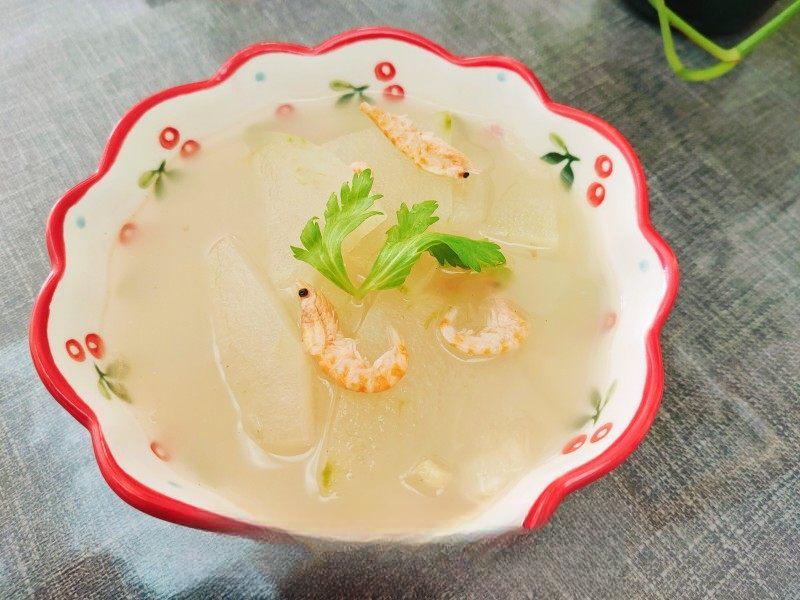
Chinese Cuisine
Baby Cabbage Soup with Shrimp Shell Broth
A light and comforting soup made with tender baby cabbage simmered in a naturally sweet shrimp shell broth. Simple ingredients create a rich, milky soup that's both nourishing and flavorful.
Read the recipe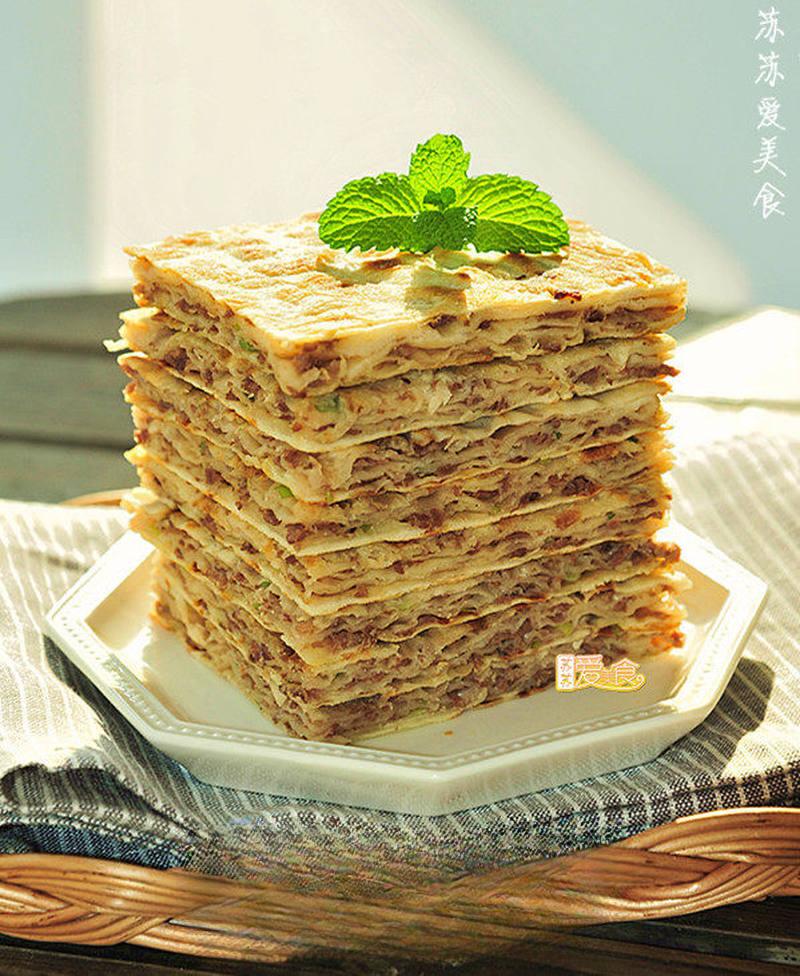
Chinese Cuisine
Beef and Scallion Stuffed Pancake
A crispy pan-fried stuffed pancake filled with juicy beef, fragrant scallions, and ginger. The flaky dough wraps around a savory filling, creating a popular northern Chinese street-food style flatbread.
Read the recipe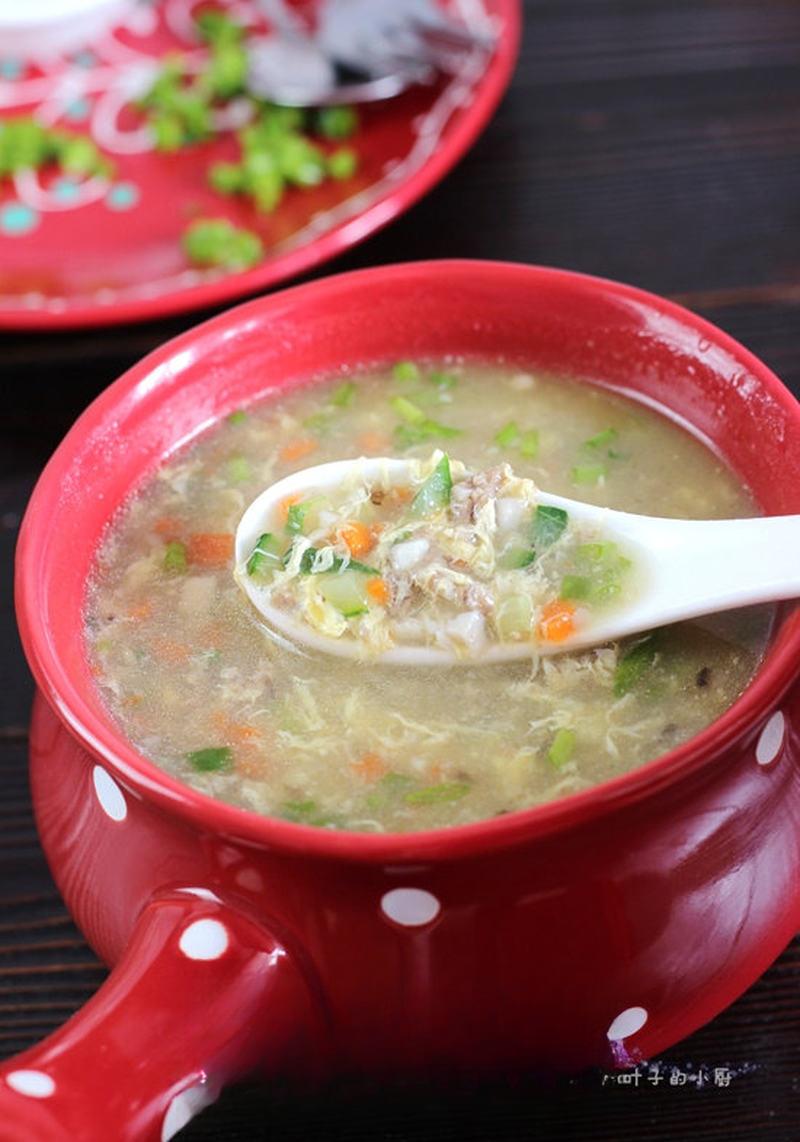
Chinese Cuisine
Beef and Vegetable Egg Drop Soup
A light and nutritious soup made with tender beef, mushrooms, carrots, cucumber, and silky egg ribbons. Quick to prepare and perfect for a wholesome family meal.
Read the recipe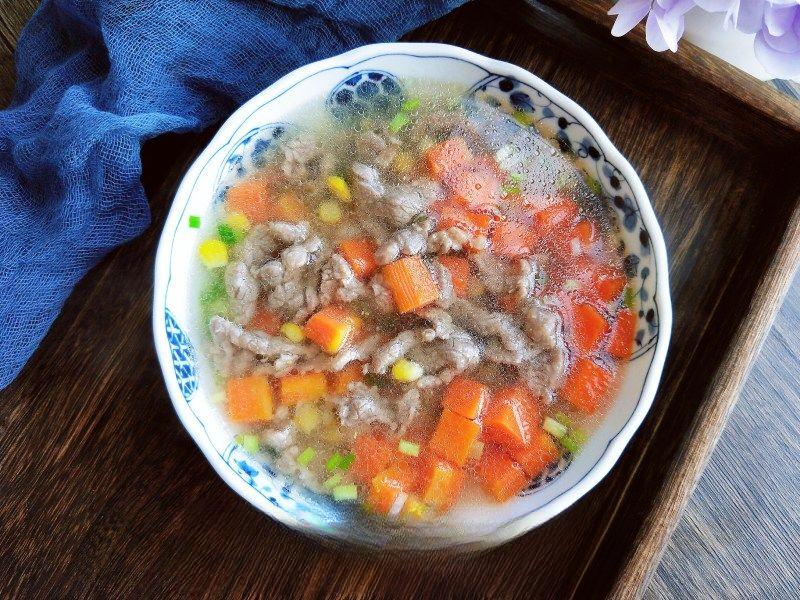
Soups
Beef, Radish and Corn Soup
This light and nourishing beef soup combines tender marinated beef slices with sweet corn and radish for a simple yet satisfying meal. The ingredients are gently simmered to create a naturally flavorful broth that is perfect for everyday family dinners.
Read the recipe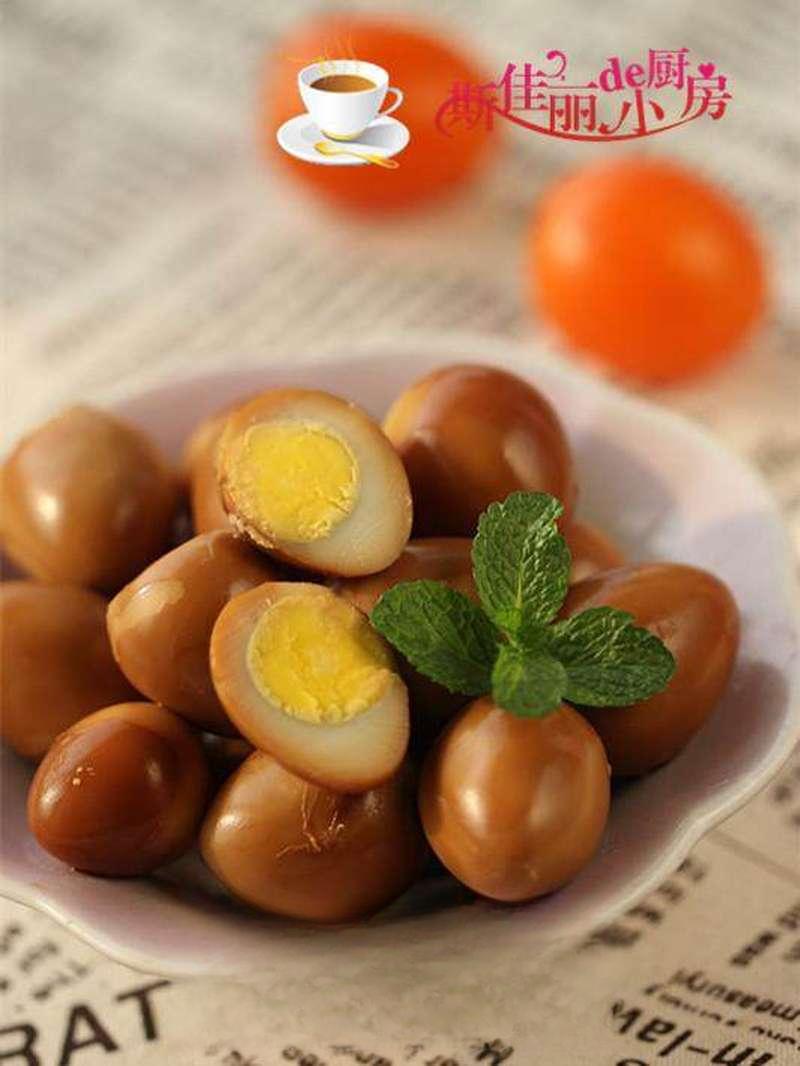
Chinese Recipes
Beer-Braised Quail Eggs
Beer-Braised Quail Eggs are a flavorful Chinese snack made by simmering peeled quail eggs in beer, soy sauce, rock sugar, and aromatic spices. The eggs absorb the rich savory-sweet broth, creating a tender and delicious treat that can be served warm or chilled.
Read the recipe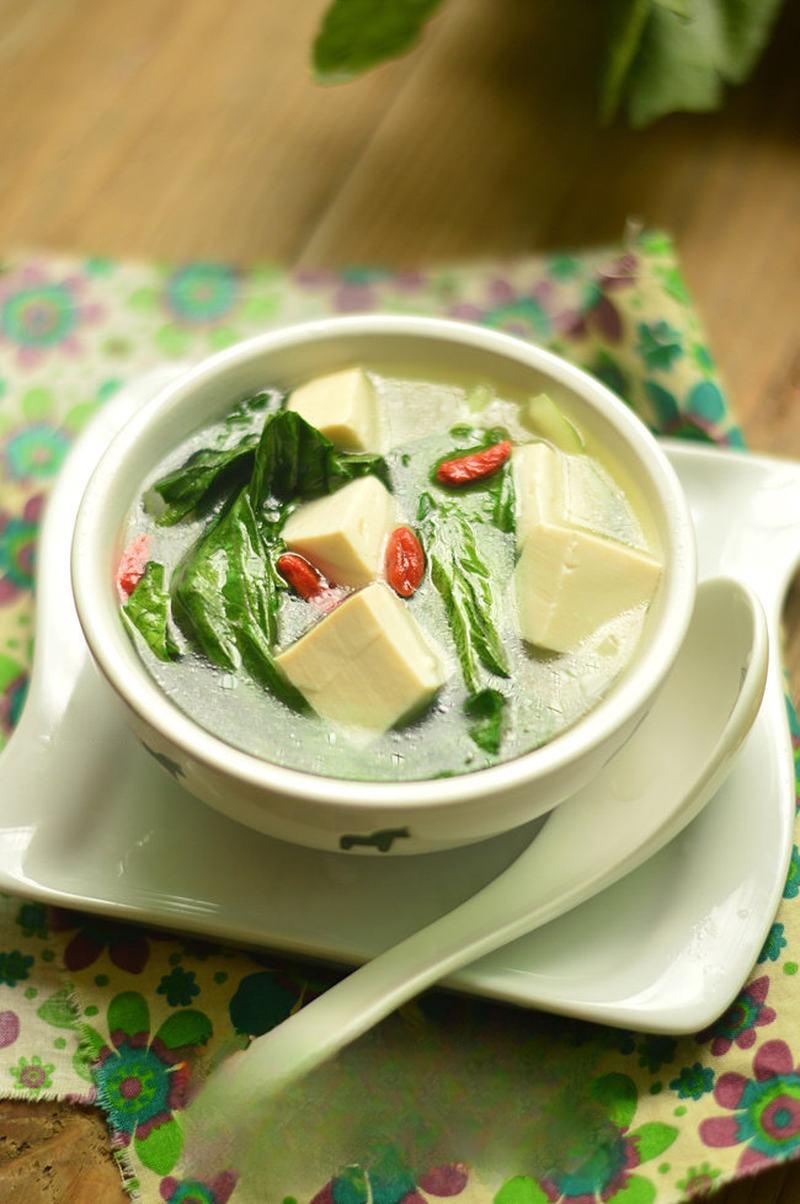
Chinese Soup Recipes
Bok Choy and Tofu Soup
This light and comforting bok choy and tofu soup is a simple Chinese home-style dish made with tender tofu, fresh bok choy, and aromatic garlic. Quick to prepare and naturally nutritious, it makes a perfect healthy side dish or light meal.
Read the recipe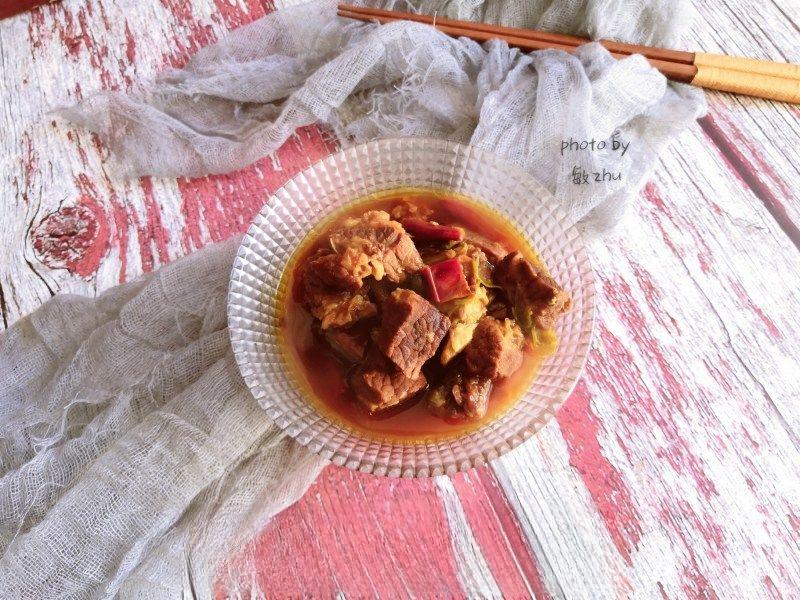
Chinese Cuisine
Braised Beef Brisket
This Chinese beef brisket recipe slowly braises beef brisket with aromatic spices, soy sauces, ginger, garlic, dried hawthorn, and gentle heat until the meat becomes rich, flavorful, and tender. It is a comforting Chinese-style beef stew that works well with rice, noodles, or steamed buns. The key steps are blanching the brisket for a cleaner broth, frying the aromatics until fragrant, then simmering patiently until the beef turns fork-tender.
Read the recipe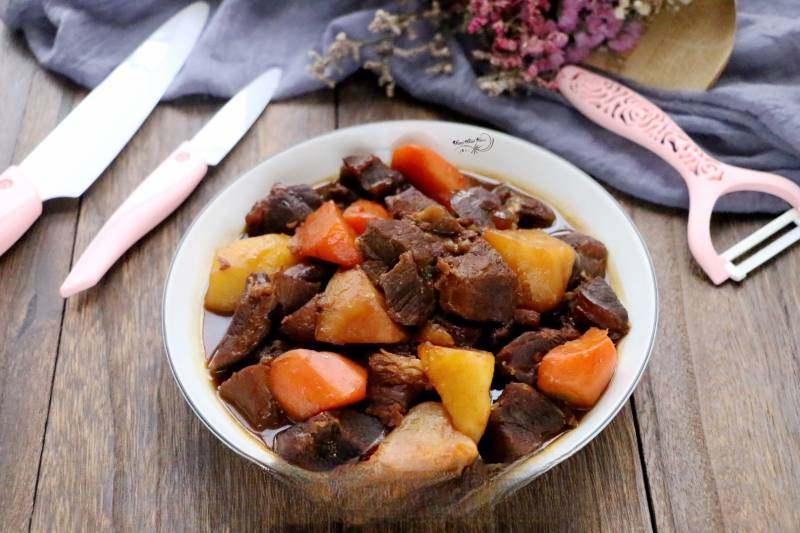
Chinese Recipes
Braised Beef with Potatoes and Carrots
Tender chunks of beef slowly braised with potatoes, carrots, and aromatic spices in a rich savory sauce. This comforting one-pot meal is hearty, flavorful, and perfect for family dinners during cooler weather.
Read the recipe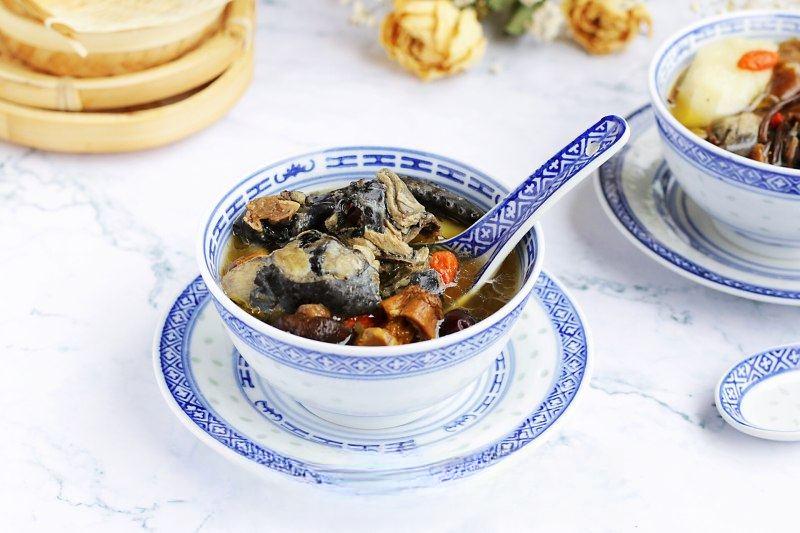
Chinese Cuisine
Braised Black Chicken with Chinese Herbs and Mushrooms
This nourishing black chicken soup is slowly simmered with yam, assorted mushrooms, red dates, and goji berries. The long cooking process creates a rich, savory broth infused with earthy mushroom flavors and natural sweetness, making it a comforting meal for cooler days or family gatherings.
Read the recipeRecipe Categories
Think of these categories as ways to build a meal. A home table often works best when you combine one savory main, one vegetable dish, and something gentle like soup, steamed eggs, or tofu.
FAQ
What are homemade Chinese recipes?
Homemade Chinese recipes are practical dishes cooked for everyday meals, often built around rice, noodles, vegetables, tofu, eggs, pork, chicken, fish, and simple pantry seasonings.
What is Chinese home cooking?
Chinese home cooking is everyday family-style food made with practical methods such as stir-frying, steaming, braising, simmering, and tossing simple cold dishes.
What dishes go well with rice?
Braised pork, tofu dishes, stir-fried vegetables, fish recipes, chicken, beef, and saucy egg dishes all pair naturally with steamed rice.
How is home cooking different from restaurant Chinese food?
Home cooking is usually simpler, less oily, and more flexible. It focuses on repeatable meals rather than dramatic presentation or very high wok heat.
Can I cook Chinese home dishes with Western kitchen equipment?
Yes. A skillet, saucepan, steamer setup, and Dutch oven can handle many recipes. A wok is helpful, but it is not required for every dish.
How do I build a Chinese home-cooked meal?
Start with rice or noodles, add one protein or tofu dish, one vegetable dish, and optionally a soup or steamed item. Balance salty, fresh, rich, and mild flavors.
The charm of Chinese home cooking is repetition with variation. A stir-fry can change with the vegetable. A braise can change with the protein. A tofu dish can be mild one day and spicy the next. The pantry stays familiar, but the table still feels different.
Use this hub when you want food that feels grounded: recipes for rice, recipes for weeknights, recipes for family meals, and recipes that teach you how Chinese cooking works in an ordinary kitchen.