Chinese Recipe Category
Chinese Braised Recipes
Explore Chinese braised recipes for home cooking, including red-braised pork, chicken, beef, fish, tofu, vegetables, ribs, and soy-based comfort dishes.
Introduction
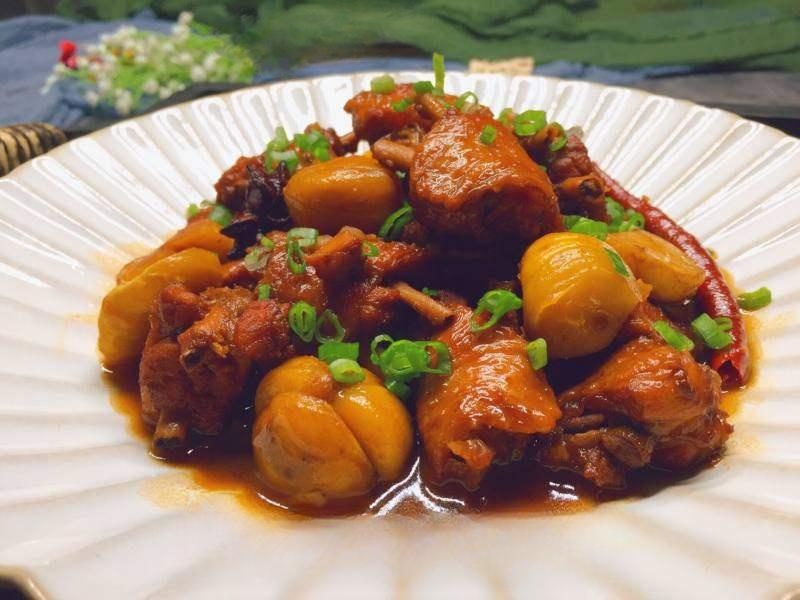
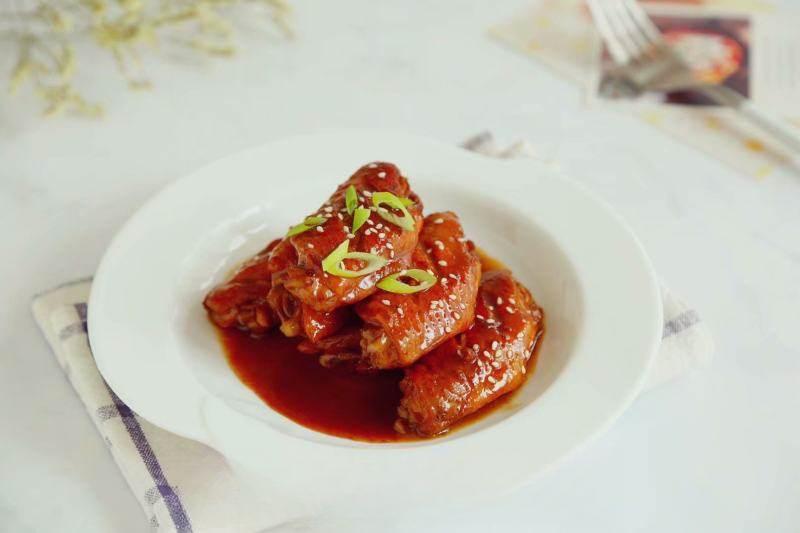
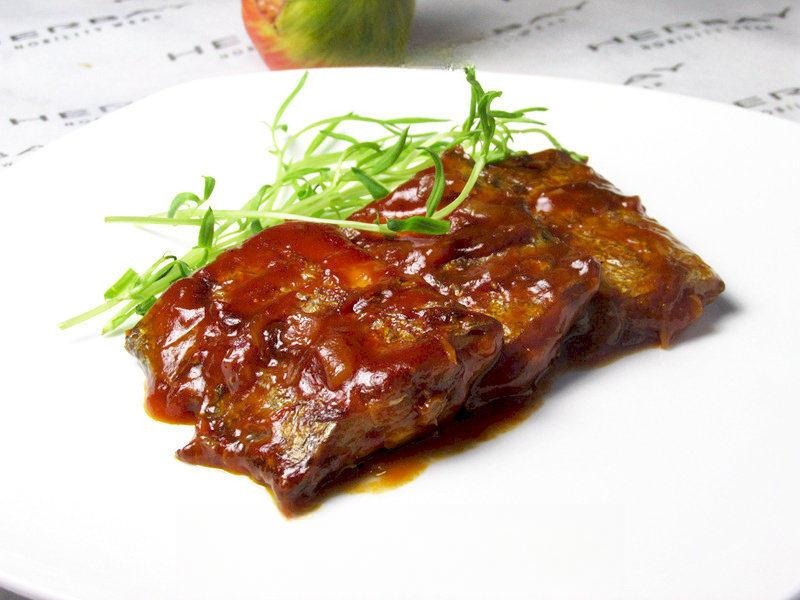
Chinese braised recipes are built on time, sauce, and patience. Unlike a quick stir-fry, a braise gives ingredients time to absorb soy sauce, aromatics, spices, sugar, wine, broth, and natural juices. Pork belly can become glossy, beef can soften, chicken wings can turn sticky, tofu can soak up flavor, and fish or vegetables can become deeply savory without needing complicated technique.
Braising is especially useful for home cooking because the pot does much of the work. Once the aromatics are fragrant and the liquid is balanced, the dish simmers until the sauce reduces and the main ingredient becomes tender. The challenge is not speed; it is knowing when to add liquid, when to cover the pot, when to uncover it, and when to stop reducing.
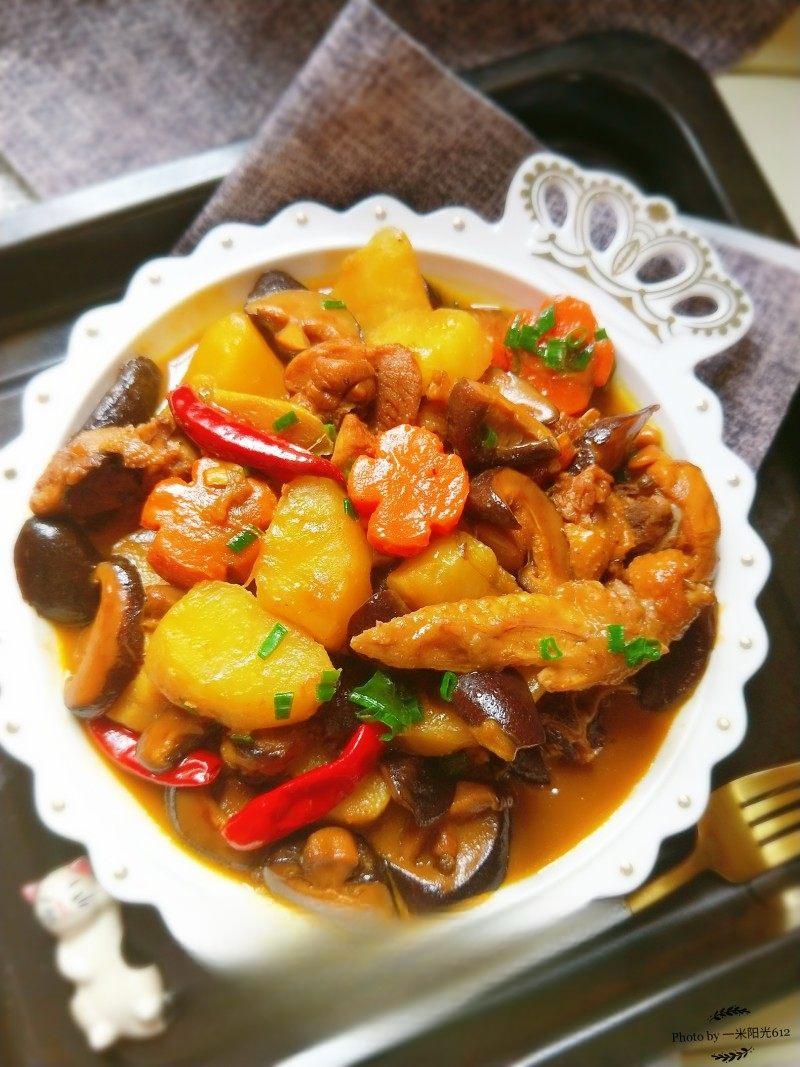
This collection focuses on Chinese braised dishes that feel practical at home: soy-braised meats, red-braised pork-style dishes, chicken wings, beef stews, fish, tofu, eggplant, winter melon, ribs, and other rice-friendly recipes where the sauce matters as much as the main ingredient.
What You'll Find in This Collection
- Chinese braised pork, ribs, chicken, beef, fish, tofu, and vegetable recipes.
- Soy-based and red-braised dishes with ginger, scallions, spices, sugar, and wine.
- Comforting recipes that pair naturally with steamed rice, noodles, greens, or soup.
- Guidance on browning, simmering, sauce reduction, and balancing salty-sweet flavor.
- Home-style braises that can be cooked in a wok, saucepan, Dutch oven, or everyday pot.
Common Chinese Cooking Methods for This Category
Chinese braising can be light or rich, quick or slow. The method depends on the ingredient and the kind of sauce you want at the end.
Red braising
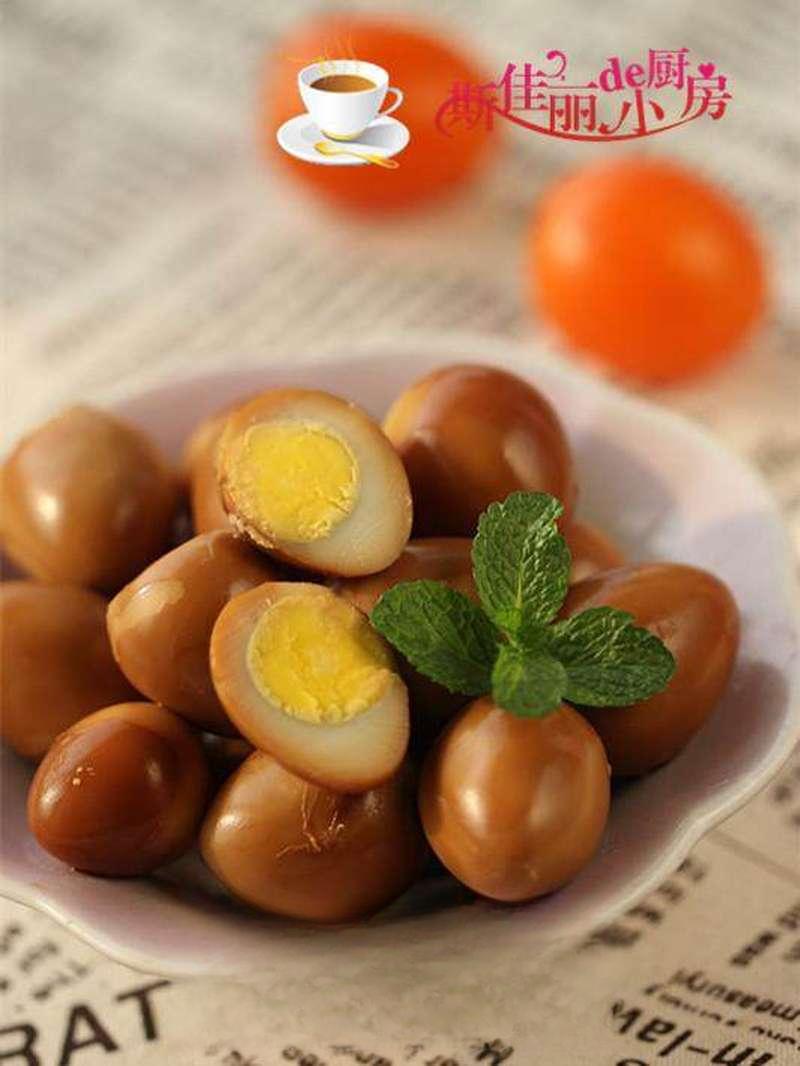
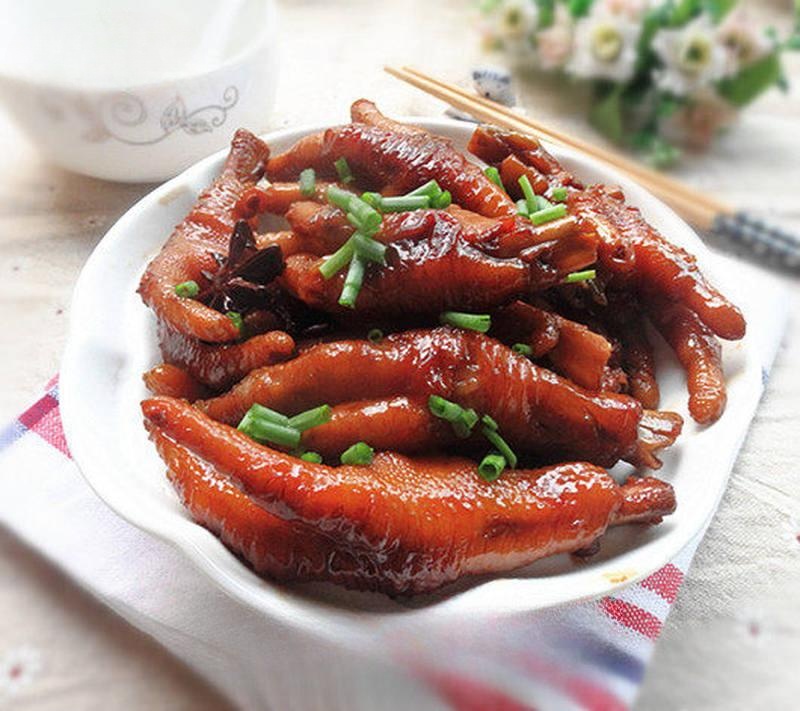
Red braising uses soy sauce, sugar, aromatics, and often spices to create a glossy brown-red sauce. Pork, chicken, beef, and eggs are common choices.
Soy-braised meats
Soy sauce seasons and colors the dish while ginger, scallions, wine, and gentle simmering help the meat become tender.
Braised fish and tofu
Fish and tofu need gentler handling than large cuts of meat. Simmer just long enough for the sauce to season them without breaking them apart.
Sauce reduction
The final uncovered simmer is often what makes a braised dish taste complete. Reduce until the sauce lightly coats the ingredients but does not burn.
Common Ingredients Used in This Category
Chinese braised recipes rely on layered pantry flavors. A small change in sugar, soy sauce, wine, or spice can change the whole mood of the dish.
Light and dark soy sauce
Light soy sauce seasons, while dark soy sauce adds color and a deeper look to red-braised dishes.
Rock sugar or sugar
Sugar rounds out saltiness and helps create a glossy sauce when the braising liquid reduces.
Ginger, scallions, and garlic
These aromatics are the backbone of many braised dishes and help balance meat, fish, tofu, and vegetables.
Star anise, bay leaf, and spices
Warm spices can add depth, especially in pork, beef, chicken, and long-simmered dishes.
Chinese Recipes by Category
Move between related Chinese recipe categories when you want to plan a full meal or switch the main ingredient.
How to Use This Category Page
Start with the featured recipes if you want the clearest path into this category. Those dishes are selected to show useful Chinese cooking patterns, not just to fill a grid. Look at the cooking method first, then the main ingredient, then the timing. A recipe that teaches stir-frying will help you practice speed and sequencing, while a braised or simmered recipe will teach sauce reduction, patience, and how aromatics change over time.
The latest recipes section is better when you want to browse more freely. Some dishes may be very simple, while others may be more specific or regional in style. If a title sounds unfamiliar, open the recipe and scan the ingredient list before deciding. Many Chinese home recipes are more approachable than their names suggest once you recognize the pantry pattern: soy sauce, ginger, garlic, scallions, vinegar, starch, and a fresh main ingredient.
When planning a meal, pair one stronger dish from this page with something lighter from another category. A saucy main works well with a vegetable recipe, a noodle dish can be balanced with soup, and a simple stir-fry can sit next to rice and a cold side. The goal is not to cook everything at once; it is to build a table that feels balanced, practical, and repeatable.
Featured Recipes
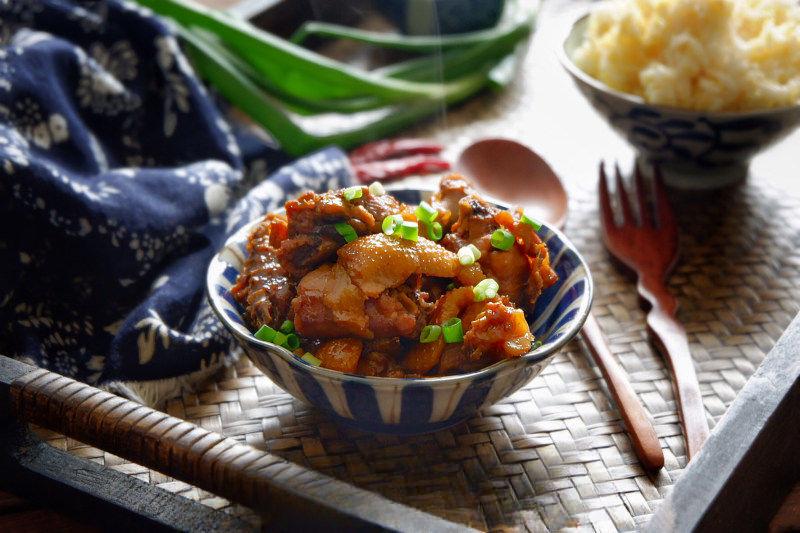
These featured Chinese braised recipes are selected from the current recipe data for strong sauce technique, useful ingredients, and home-cooking appeal.
Latest Recipes
The latest braised recipes below are pulled dynamically from the same recipe data source.
FAQ
What does braised mean in Chinese cooking?
Braising usually means simmering ingredients with seasonings and liquid until they absorb flavor and the sauce reduces. It can be rich, glossy, light, soy-based, or spicy.
What is red braising?
Red braising is a Chinese method that uses soy sauce, sugar, aromatics, and sometimes spices to create a reddish-brown glossy sauce.
Why is my braised dish watery?
The sauce may not have reduced enough. Simmer uncovered near the end and stir occasionally until the liquid thickens and coats the ingredients.
Can Chinese braised recipes be made ahead?
Many braised dishes reheat well because the flavors continue to settle. Reheat gently and add a splash of water if the sauce has thickened too much.
Chinese braised recipes teach patience and balance. Once you understand how soy sauce, sugar, aromatics, and reduction work together, a simple pot can produce some of the most comforting food on the table.