Recipe Collection
Chinese Cooking Recipes for Real Home Cooking
Explore Chinese cooking recipes in English with practical home-cooking notes, familiar ingredients, clear methods, and hand-picked dishes from Home Wok Recipes.
Introduction
Chinese recipes can look intimidating from the outside, especially when the ingredient names are unfamiliar or the instructions assume you already know how a wok should sound when it is hot enough. This collection is built for home cooks who want the flavor of Chinese cooking without feeling as if they have stepped into a professional kitchen. The goal is not to flatten Chinese food into one style. It is to give you a practical starting point: dishes you can cook on a weeknight, techniques you can repeat, and ingredient patterns that begin to make sense after a few meals.
The recipes here come from a home-cooking point of view. Some dishes are quick stir-fries with vegetables and aromatics. Others are braises, soups, steamed dishes, or simple desserts. A few are more involved, but even those are written with the small cues that matter: when to lower the heat, when to add aromatics, how thick a sauce should look, and why a short rest can improve the final texture. If you are browsing for Chinese recipes in English, this page is meant to act like a kitchen map rather than a loose pile of links.
One helpful way to use this collection is to choose by method instead of by dish name. If you are comfortable with stir-frying, start there and learn how ginger, garlic, soy sauce, vinegar, and heat work together. If you prefer slower cooking, try braised pork, beef, tofu, or fish recipes where the seasoning has time to settle into the ingredients. If you want something gentler, steamed dishes are a quiet but important part of Chinese home cooking, especially for fish, eggs, tofu, and buns.
What This Collection Includes
- Everyday vegetable dishes that show how a few aromatics and a simple sauce can turn potatoes, cabbage, celery, mushrooms, or greens into a complete side dish.
- Protein-focused recipes with pork, chicken, beef, fish, shrimp, tofu, and eggs, including dishes that work as a main course with rice or noodles.
- Classic home methods such as stir-frying, steaming, braising, frying, simmering, tossing cold dishes, and building quick sauces in the pan.
- Recipes with practical timing notes, ingredient cues, and texture guidance so you are not guessing whether a dish is ready.
- Beginner-friendly dishes alongside more layered recipes, so the collection can grow with you instead of being useful for only one skill level.
Cooking Methods
Chinese cooking is often easier to understand when you group dishes by method. The method tells you how fast the recipe moves, how much attention it needs, and what kind of pan or pot will make the process smoother.
Stir-frying
Stir-frying is fast, direct, and very useful for vegetables, tofu, eggs, and thin slices of meat. The key is preparation. Cut everything before heating the pan, keep seasonings close, and add ingredients in the order they need to cook. A good stir-fry is not just about high heat; it is about timing and moisture control.
Braising
Braising gives you a slower path to flavor. Soy sauce, aromatics, sugar, wine, spices, and stock or water have time to create a glossy sauce. This method is forgiving for ribs, pork belly, beef, chicken, tofu, and some fish recipes. It is ideal when you want a dish that tastes deeper than the work required.
Steaming
Steaming is clean and gentle. It keeps fish tender, makes egg custards silky, and helps buns or dumplings cook evenly. Many steamed recipes rely on finishing sauces, scallions, ginger, or hot oil for aroma. If you are new to Chinese cooking, steaming is a calm technique to practice.
Frying and shallow-frying
Fried Chinese recipes are not always heavy. Sometimes a short fry sets the shape of tofu, crisps fish skin, or gives pork ribs a better texture before saucing. The important cues are oil temperature, batch size, and draining well before the final seasoning or sauce.
Common Ingredients
You do not need a huge pantry to begin. A small group of Chinese cooking ingredients appears again and again, and once you understand what each one does, recipes become much easier to read. For a broader pantry overview, visit the Chinese ingredient guide.
Soy sauces
Light soy sauce is usually for salt and savory depth, while dark soy sauce is often used for color and a rounder finish. Many recipes use one or both, but they are not interchangeable in large amounts.
Ginger, garlic, and scallions
These aromatics form the backbone of many Chinese recipes. They can be stir-fried at the start, simmered in a braise, steamed with fish, or used fresh as a finishing layer.
Vinegar and sugar
Chinese black vinegar, rice vinegar, and sugar help balance salt, fat, and heat. Sweet-and-sour dishes are the obvious example, but small amounts show up in many savory recipes.
Starches
Cornstarch or potato starch may thicken sauces, protect meat during marinating, or create a crisp coating for frying. It is one of the quiet workhorses of Chinese home cooking.
Featured Recipes
The featured recipes below are selected from the current Home Wok Recipes recipe library. They are not meant to represent every region or every tradition, but they give you a useful range of methods, ingredients, and flavors to start cooking from.
Chinese Cuisine
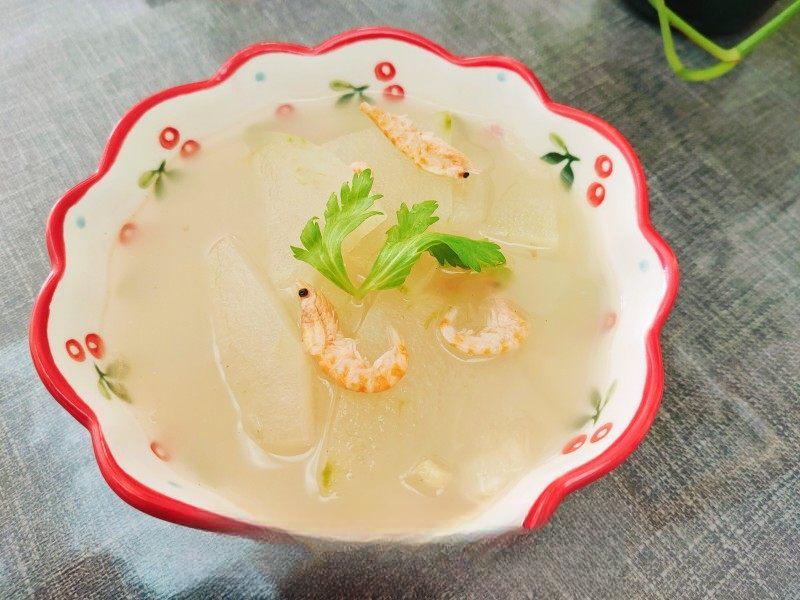
Baby Cabbage Soup with Shrimp Shell Broth
A light and comforting soup made with tender baby cabbage simmered in a naturally sweet shrimp shell broth. Simple ingredients create a rich, milky soup that's both nourishing and flavorful.
Read the recipe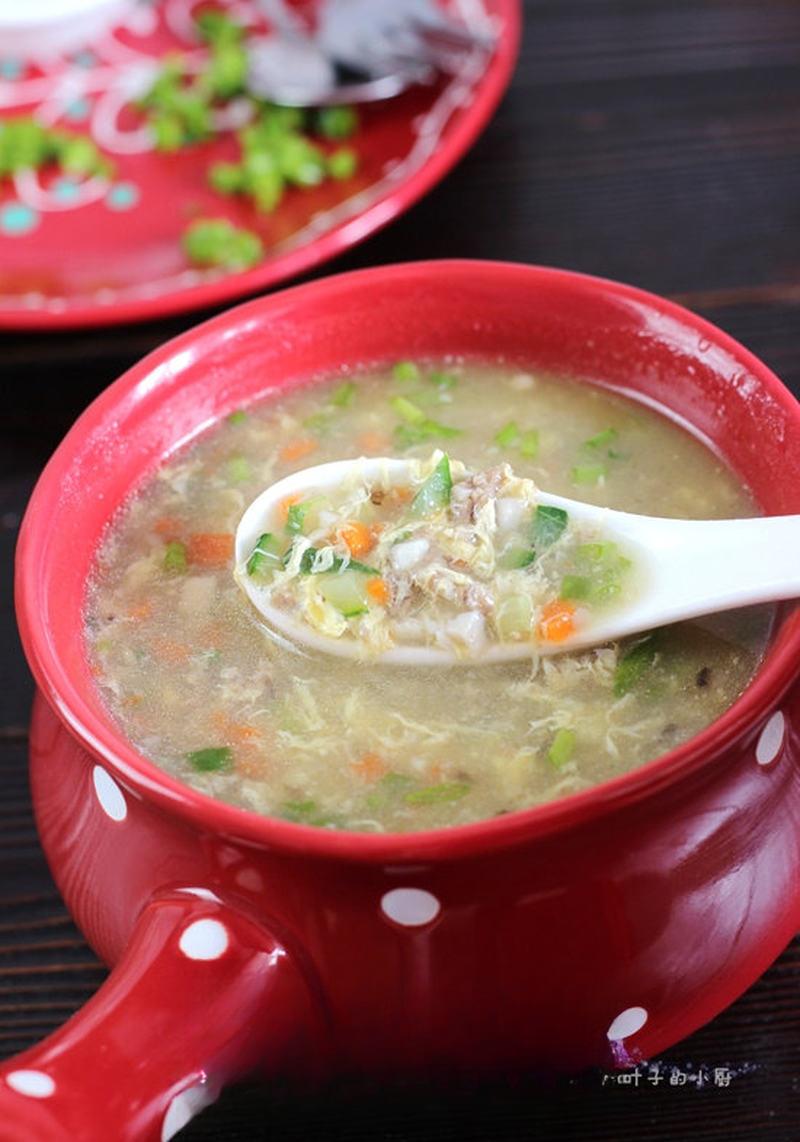
Chinese Cuisine
Beef and Vegetable Egg Drop Soup
A light and nutritious soup made with tender beef, mushrooms, carrots, cucumber, and silky egg ribbons. Quick to prepare and perfect for a wholesome family meal.
Read the recipe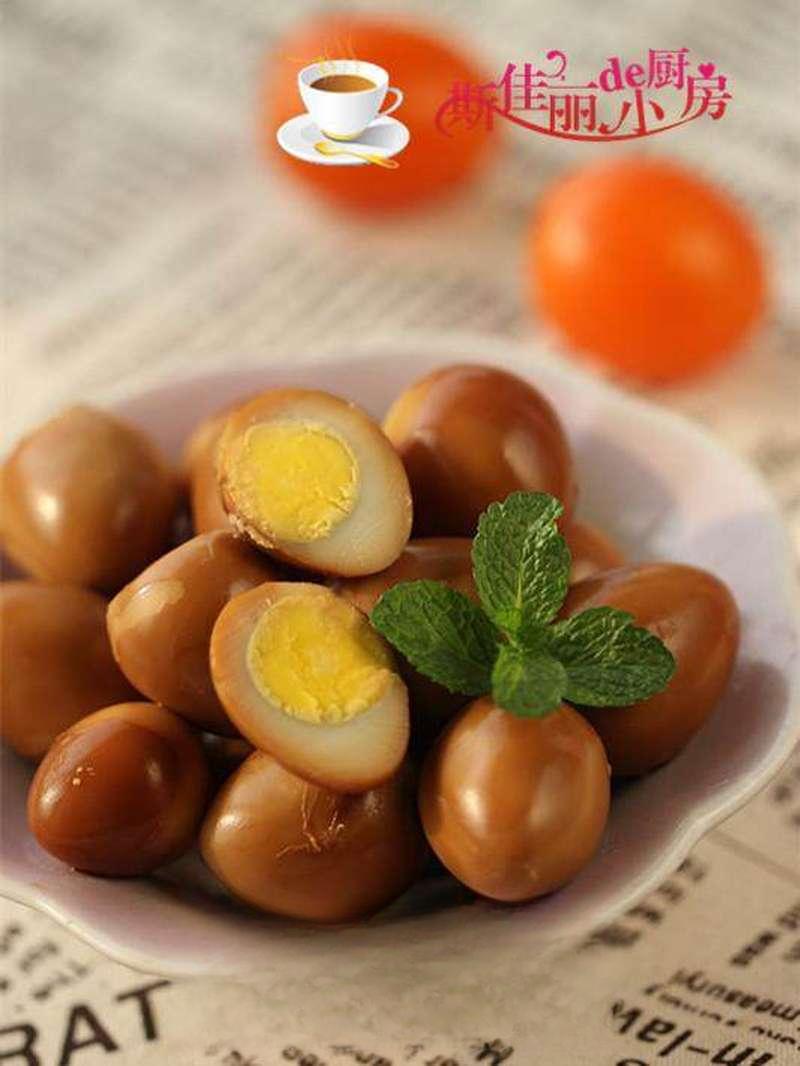
Chinese Recipes
Beer-Braised Quail Eggs
Beer-Braised Quail Eggs are a flavorful Chinese snack made by simmering peeled quail eggs in beer, soy sauce, rock sugar, and aromatic spices. The eggs absorb the rich savory-sweet broth, creating a tender and delicious treat that can be served warm or chilled.
Read the recipe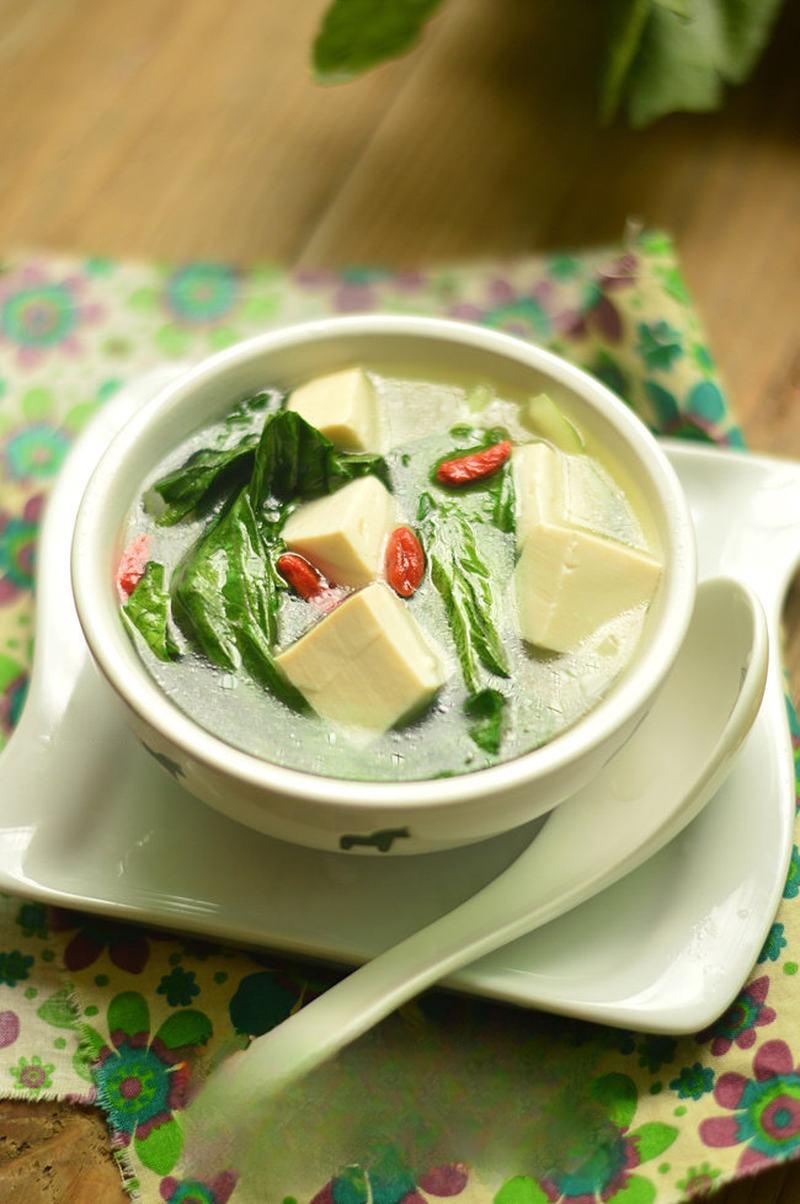
Chinese Soup Recipes
Bok Choy and Tofu Soup
This light and comforting bok choy and tofu soup is a simple Chinese home-style dish made with tender tofu, fresh bok choy, and aromatic garlic. Quick to prepare and naturally nutritious, it makes a perfect healthy side dish or light meal.
Read the recipe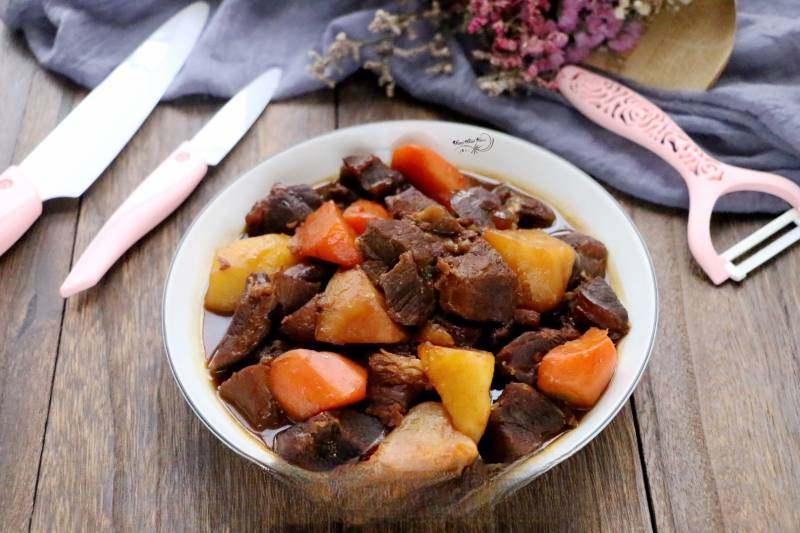
Chinese Recipes
Braised Beef with Potatoes and Carrots
Tender chunks of beef slowly braised with potatoes, carrots, and aromatic spices in a rich savory sauce. This comforting one-pot meal is hearty, flavorful, and perfect for family dinners during cooler weather.
Read the recipe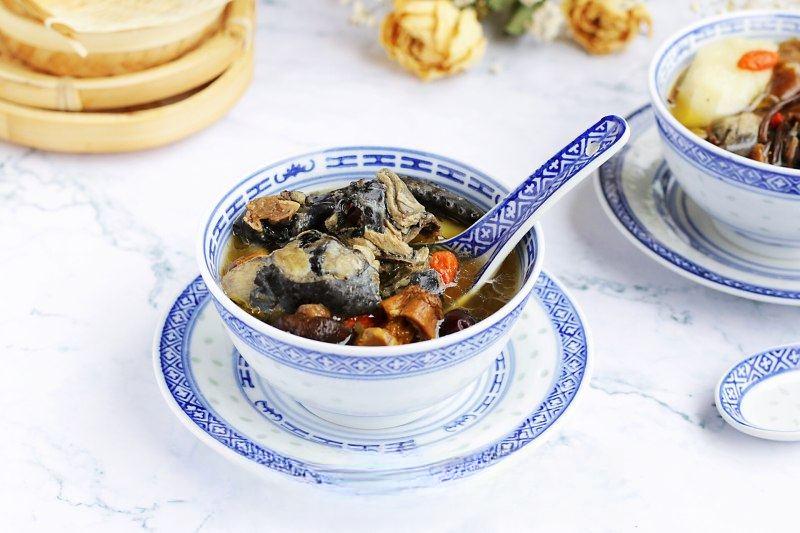
Chinese Cuisine
Braised Black Chicken with Chinese Herbs and Mushrooms
This nourishing black chicken soup is slowly simmered with yam, assorted mushrooms, red dates, and goji berries. The long cooking process creates a rich, savory broth infused with earthy mushroom flavors and natural sweetness, making it a comforting meal for cooler days or family gatherings.
Read the recipe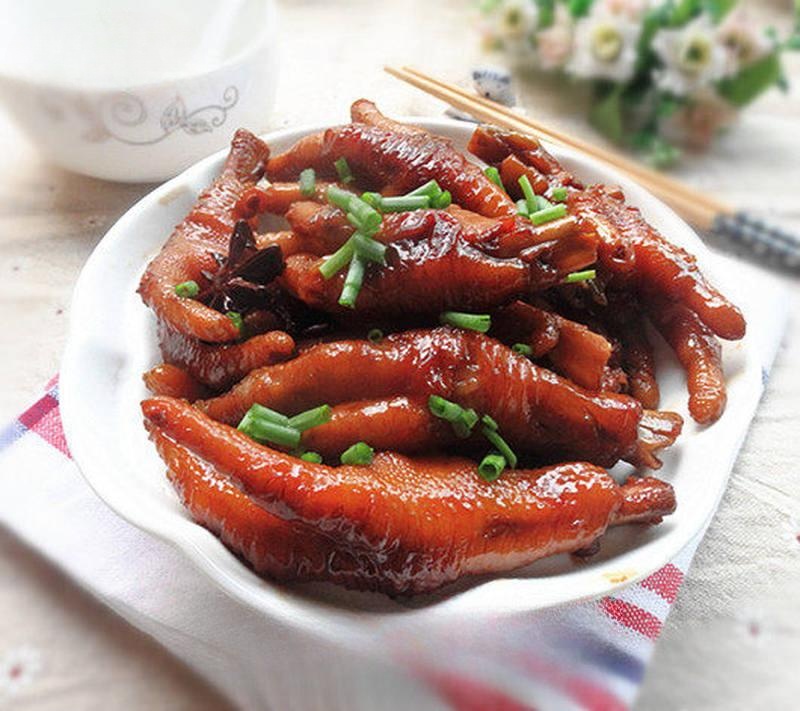
Chinese Cuisine
Braised Chicken Feet
Tender and flavorful braised chicken feet simmered in a rich soy-based sauce with aromatics and spices. The chicken feet are first caramelized with sugar for color and depth, then slowly braised until soft and succulent.
Read the recipe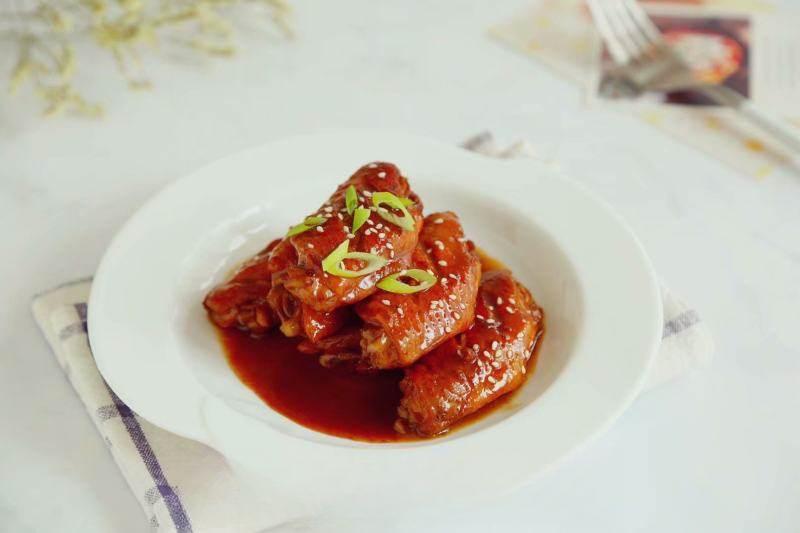
Chinese Recipes
Braised Chicken Wings with Sweet and Savory Flavor
These braised chicken wings are cooked until tender in a rich sweet and savory sauce flavored with soy sauce, aromatics, and warming spices. The wings are first pan-seared to develop a golden crust, then gently simmered until the sauce reduces into a glossy coating. This easy home-style dish pairs perfectly with steamed rice and delivers comforting flavor in every bite.
Read the recipe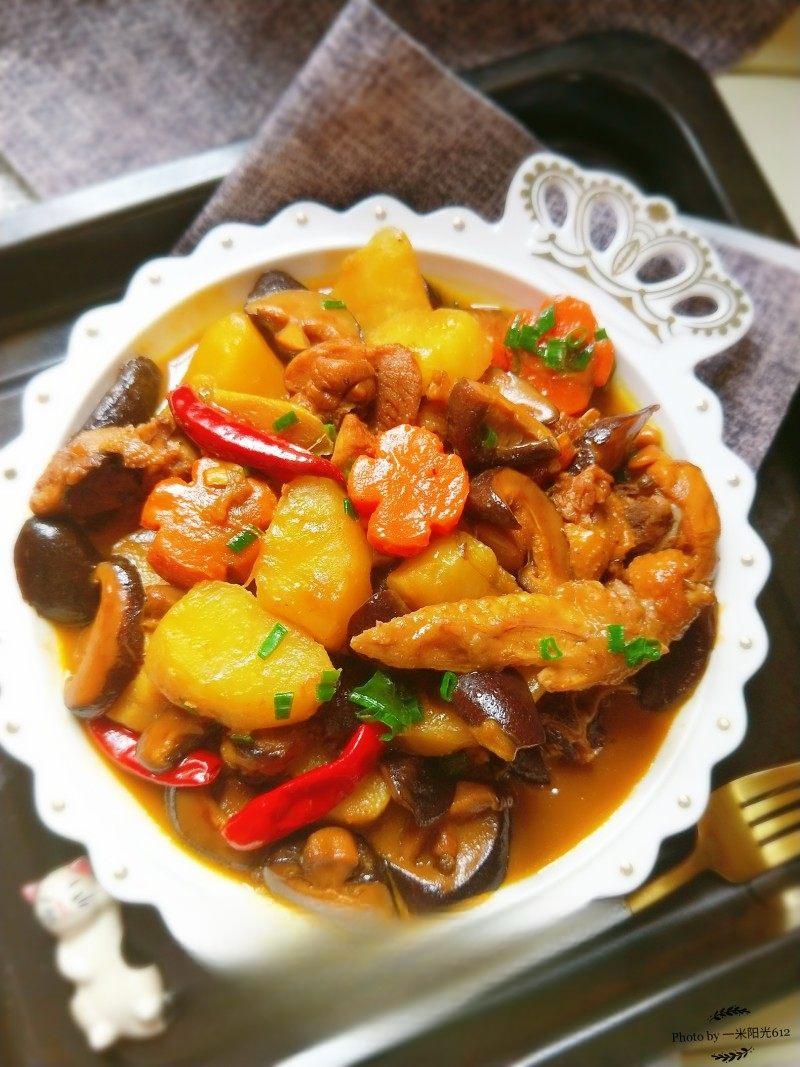
Chinese Recipes
Braised Chicken with Shiitake Mushrooms and Root Vegetables
Tender chicken braised with shiitake mushrooms, potatoes, carrots, and Chinese yam in a rich savory sauce. This hearty one-pot meal is packed with comforting flavors and is perfect for cold-weather family dinners.
Read the recipeRecipe Categories
If you are not sure where to begin, browse by the kind of cooking you want to practice. A method-based approach helps you build skill without needing to memorize a long list of dish names.
All Chinese recipes
Browse the full recipe list when you want to search by title, ingredient, or cooking style.
Stir-fry recipes
Choose these when you want fast dinners, crisp vegetables, and practice with heat control.
Ingredient guide
Use the ingredient guide when soy sauce, vinegar, spices, or pantry names feel unfamiliar.
FAQ
What are good Chinese recipes for beginners?
Start with simple stir-fries, tomato and egg-style dishes, tofu recipes, steamed eggs, and basic braised chicken or pork. These teach aromatics, sauce balance, and timing without requiring a large pantry.
Do I need a wok to cook these recipes?
A wok is useful, but many recipes can be made in a skillet, sauté pan, saucepan, or Dutch oven. The key is choosing the right pan size and avoiding overcrowding.
What ingredients should I buy first?
Start with light soy sauce, dark soy sauce, rice vinegar or Chinese black vinegar, Shaoxing wine if available, sesame oil, ginger, garlic, scallions, and cornstarch.
Are these recipes authentic?
They are written from a Chinese home-cooking perspective and adapted for clear English instructions. The focus is practical home cooking rather than restaurant performance.
How should I choose a recipe from this page?
Choose by method first. Pick stir-fries for speed, braises for deeper flavor, steaming for gentle cooking, and fried dishes when you want crisp texture.
The best way to learn Chinese recipes is to repeat a few methods until they feel familiar. Cook one stir-fry several times with different vegetables. Make one braised dish and notice how the sauce changes from thin to glossy. Steam fish or tofu and pay attention to the timing. After that, the recipe names matter less because the patterns begin to carry you.
Use this page as a hub when you want to explore broadly. If you need a smaller starting point, visit the easy Chinese recipes collection. If you want dishes that feel especially close to daily family meals, the Chinese home cooking recipes page will be the better next stop.