What Is Shaoxing Wine?
Learn what Shaoxing wine is, what it tastes like, why Chinese recipes use it, how to cook with it, where to buy it, and the best substitute.
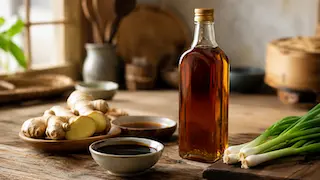
Shaoxing wine is a Chinese rice wine used in marinades, stir-fries, braises, dumpling fillings, soups, and sauces. It adds aroma, depth, and a warm savory note that makes many Chinese dishes taste more complete.
If you cook Chinese recipes in the United States, Canada, or the United Kingdom, Shaoxing wine is one of the first pantry ingredients worth learning. It is not usually used like a drinking wine in home recipes. Instead, small amounts are added during cooking to balance meat, seafood, aromatics, and soy-based sauces.
What Is Shaoxing Wine?
Shaoxing wine is a rice wine from Shaoxing, a city in Zhejiang province, China. In cooking, it is used for fragrance and balance. It is especially common in eastern Chinese cooking but appears across many Chinese recipes.
There are drinking-grade Shaoxing wines and cooking-grade Shaoxing wines. Many bottles sold in Western supermarkets or Asian grocery stores are cooking wines and may contain salt. That means you should adjust salt or soy sauce in a recipe if your bottle is salted.
What Does Shaoxing Wine Taste Like?
Shaoxing wine tastes warm, nutty, slightly sweet, lightly earthy, and aromatic. It has a deeper flavor than plain rice vinegar and a more savory profile than many white wines.
When cooked, the alcohol aroma softens and leaves behind fragrance. That is why Shaoxing wine is usually added during cooking rather than at the very end.
Why Chinese Recipes Use Shaoxing Wine
Chinese recipes often use Shaoxing wine to reduce strong meat or seafood odors, round out salty sauces, and add a subtle fermented aroma. It is common in marinades for pork, chicken, beef, and shrimp.
In stir-fries, Shaoxing wine may be splashed around the edge of a hot wok so it sizzles and releases aroma. In braises, it blends with soy sauce, sugar, ginger, scallions, and spices to create a deeper sauce.
How To Use Shaoxing Wine
Use Shaoxing wine in small amounts. A tablespoon or two is enough for many home recipes. Add it to marinades, sauces, or hot oil with aromatics.
For sliced meat, mix Shaoxing wine with soy sauce, cornstarch, and a little oil. For braises, add it after aromatics or after searing the meat. For dumpling fillings, use just enough to add aroma without making the filling wet.
If a recipe says to add Shaoxing wine around the edge of a hot wok, that means the wine should hit the hot metal and sizzle before mixing into the food. This quick evaporation helps release aroma and keeps the dish from tasting raw or boozy.
Popular Recipes That Use Shaoxing Wine
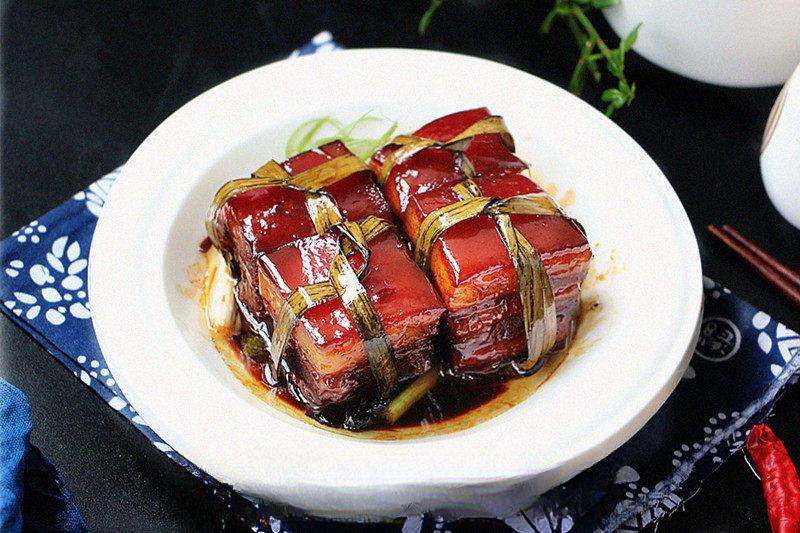
Shaoxing wine appears in red-braised pork, Chinese beef stir-fries, drunken chicken, wonton fillings, steamed fish, braised chicken, and many pork belly recipes.
It is also useful in everyday recipes where meat needs a cleaner flavor. Even when it is not the main flavor, it helps the finished dish taste more rounded.
Where To Buy Shaoxing Wine
Look for Shaoxing wine in Chinese grocery stores, Asian supermarkets, online Asian grocery shops, and sometimes the international aisle of larger supermarkets. It may be labeled Shaoxing rice wine, Shaohsing wine, or Chinese cooking wine.
Check whether the bottle is salted. Salted cooking wine is common and works in many recipes, but it can make a dish too salty if you do not adjust.
In many Western grocery stores, you may find cooking wine near soy sauce, rice vinegar, or other international ingredients. If you cannot find it locally, dry sherry is usually easier to buy and makes a practical pantry backup.
Best Shaoxing Wine Substitute
Dry sherry is usually the best substitute for Shaoxing wine because it has a similar warm, nutty, lightly oxidized flavor. Sake can work in lighter dishes. Dry white wine can work in emergencies, though it tastes less Chinese.
Avoid replacing Shaoxing wine with rice vinegar in equal amounts. Vinegar is acidic, while Shaoxing wine is aromatic and alcoholic. Use vinegar only in very small amounts when acidity is welcome.
How To Store Shaoxing Wine
Store unopened Shaoxing wine in a cool, dark place. After opening, keep it tightly capped. Many home cooks refrigerate it after opening, especially if they use it slowly.
If the wine smells off, looks moldy, or changes in an unusual way, discard it.
FAQs
Is Shaoxing wine the same as rice vinegar?
No. Shaoxing wine is a rice wine used for aroma and depth. Rice vinegar is acidic and sour.
Can I skip Shaoxing wine?
You can skip it in some recipes, but the dish may taste flatter. Use dry sherry or sake if you need a substitute.
Is Shaoxing wine alcoholic?
Yes, Shaoxing wine contains alcohol. Cooking reduces some alcohol but does not always remove all of it.
Is cooking Shaoxing wine salty?
Many cooking versions are salted. Check the label and adjust soy sauce or salt as needed.
What is the best substitute for Shaoxing wine?
Dry sherry is usually the closest widely available substitute.
Conclusion
Shaoxing wine is a small ingredient with a big effect. It gives Chinese dishes aroma, warmth, and depth, especially in marinades, stir-fries, and braises. If you cook Chinese food often, it is worth keeping a bottle in your pantry for everyday cooking.
Related Guides and Recipes