What Is Doubanjiang?
Learn what doubanjiang is, what it tastes like, how to use it in Chinese cooking, where to buy it, how to store it, and the best substitute.
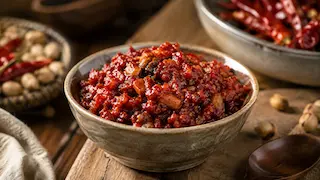
Doubanjiang is one of the most important flavor bases in Sichuan cooking. If you have ever wondered why dishes like mapo tofu taste deeply savory, spicy, salty, and a little fermented all at once, doubanjiang is often the answer. It is a Chinese chili bean paste made with fermented broad beans, chilies, salt, and sometimes wheat flour or other seasonings depending on the style.
For home cooks in the United States, Canada, and the United Kingdom, doubanjiang can feel unfamiliar at first because it is not just a hot sauce. It is thick, salty, chunky, and full of fermented flavor. A spoonful can season an entire dish when it is fried briefly in oil with garlic, ginger, or scallions.
What Is Doubanjiang?
Doubanjiang, sometimes written as dou ban jiang, means chili bean paste or broad bean chili paste. The most famous version is Pixian doubanjiang from Pixian, a district in Chengdu, Sichuan. It is made by fermenting broad beans and chilies until the paste becomes deeply red, salty, earthy, and aromatic.
The paste is usually thick and coarse rather than smooth. You may see pieces of beans, chili skins, and a little red oil. This texture is normal. Some cooks chop doubanjiang before using it so the flavor spreads more evenly through a sauce.
Doubanjiang is not the same as chili crisp, sambal, gochujang, or miso. Those ingredients can sometimes help in a substitute, but real doubanjiang has its own fermented broad bean flavor.
What Does Doubanjiang Taste Like?
Doubanjiang tastes salty, savory, spicy, earthy, and fermented. The heat level depends on the brand and style, but even spicy versions are usually more complex than simply hot.
The most important flavor is umami. When doubanjiang is fried in oil, the paste darkens slightly and releases a rich aroma. That step is common in Sichuan recipes because it wakes up the fermented flavor and helps the paste blend into the dish.
Because doubanjiang is salty, add it before adding extra soy sauce or salt. Taste the sauce as you cook, especially if you are using a commercial paste for the first time.
How Is Doubanjiang Used In Chinese Cooking?
Doubanjiang is often used as a base seasoning. A cook may heat oil, fry doubanjiang until fragrant, then add garlic, ginger, meat, tofu, vegetables, broth, or sauce ingredients.
Common uses include:
- Stir-fry sauces
- Braised dishes
- Spicy tofu dishes
- Noodle sauces
- Hot pot-style broths
- Sichuan-style meat and vegetable dishes
The key is to cook the paste briefly. Raw doubanjiang tastes sharp and salty. Fried doubanjiang tastes rounder, darker, and more aromatic.
Popular Recipes That Use Doubanjiang
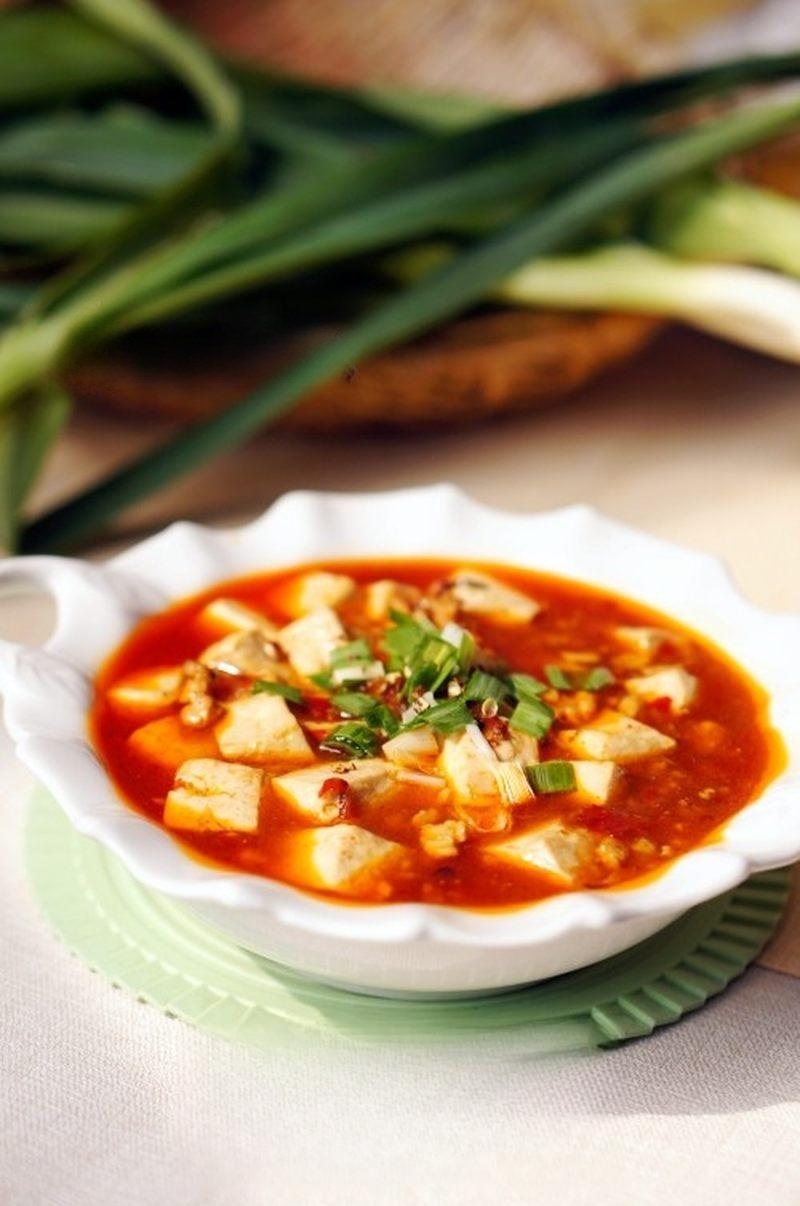
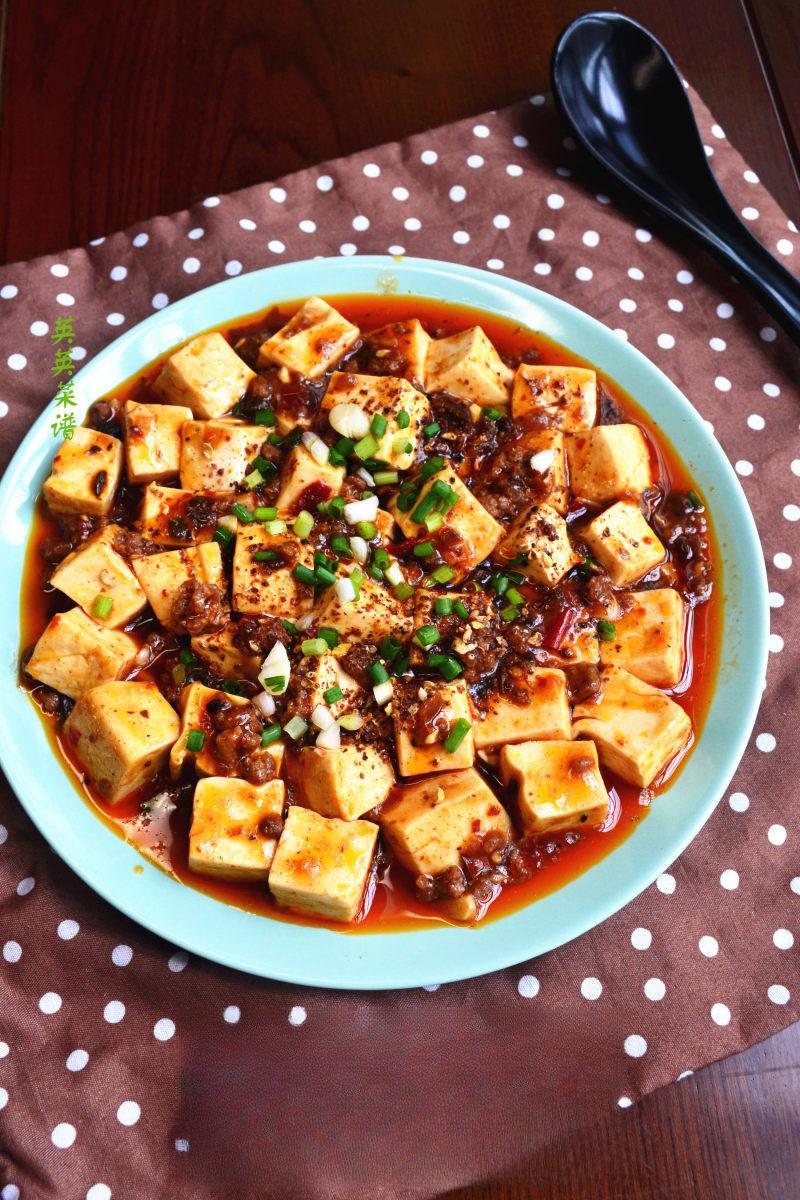
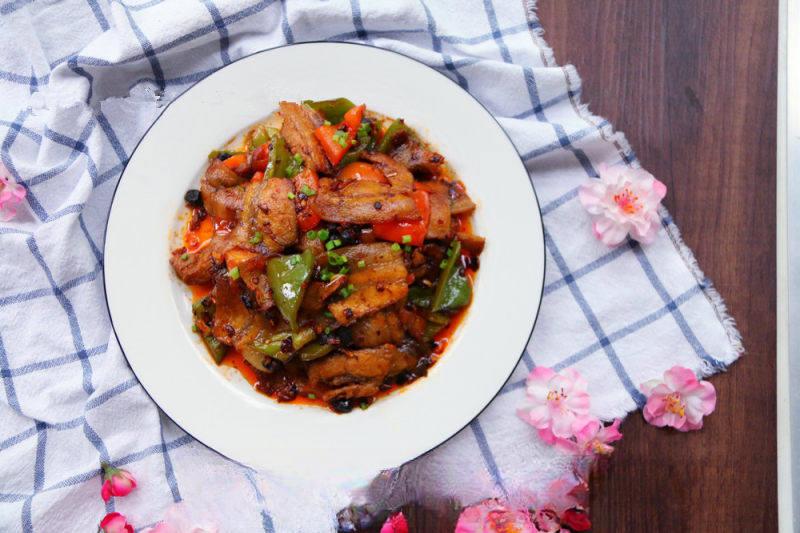
Mapo tofu is probably the best-known recipe that uses doubanjiang. The paste gives the dish its red color, savory depth, and spicy fermented backbone. Twice-cooked pork also often uses doubanjiang to season pork belly, leeks, or peppers.
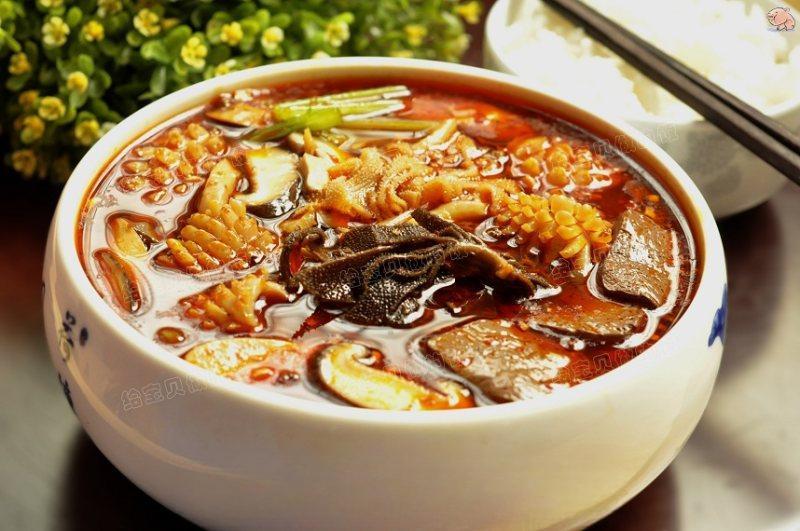
Doubanjiang is also useful in spicy eggplant, beef noodle soup, dry-fried green beans, Sichuan-style chicken, and duck blood hot pot-style dishes. Once you understand how it behaves, it becomes one of the easiest ways to make a dish taste unmistakably Sichuan.
Where To Buy Doubanjiang
Look for doubanjiang at Chinese grocery stores, Asian supermarkets, and online Asian grocery retailers. In North America and the UK, it may be labeled as chili bean paste, broad bean paste, hot bean sauce, or Pixian bean paste.
If possible, choose Pixian doubanjiang for Sichuan recipes. Some jars are spicy, while others are labeled broad bean paste with chili. Avoid confusing it with sweet bean sauce, black bean garlic sauce, or chili crisp.
Best Doubanjiang Substitute
The best substitute depends on the recipe. For a quick emergency option, mix miso paste with chili oil or chili flakes and a small amount of soy sauce. This gives you salt, umami, and heat, though it will not taste exactly like fermented broad bean paste.
For a more detailed guide, use the doubanjiang substitute page linked below. It explains the best spicy, mild, and emergency replacements.
How To Store Doubanjiang
After opening, keep doubanjiang tightly covered in the refrigerator unless the package says otherwise. Use a clean spoon each time to avoid introducing moisture or food particles.
Because it is salty and fermented, it usually lasts a while, but always follow the package date. If the paste smells off, grows mold, or changes texture in an unusual way, discard it.
FAQs
Is doubanjiang spicy?
Many versions are spicy, but the heat level varies. Pixian doubanjiang is usually spicy, salty, and deeply savory rather than purely hot.
Is doubanjiang the same as chili bean paste?
Usually, yes. Chili bean paste is a common English label for doubanjiang, especially when it is made with fermented broad beans and chilies.
Can I use chili crisp instead of doubanjiang?
Chili crisp is not a direct substitute. It is oilier and crunchier, while doubanjiang is a fermented paste. In a pinch, combine chili crisp with miso or soybean paste.
Does doubanjiang need to be cooked?
It is best cooked briefly in oil. Frying it releases aroma and makes the flavor smoother.
Where is doubanjiang used most often?
It is most closely associated with Sichuan cooking, especially dishes like mapo tofu and twice-cooked pork.
Conclusion
Doubanjiang is a fermented Chinese chili bean paste that brings salt, heat, umami, and deep Sichuan flavor to a dish. Start with a small spoonful, fry it briefly in oil, and build the rest of the recipe around its bold flavor.
Related Guides and Recipes