Best Doubanjiang Substitute, Replacement & Alternative
Find the best doubanjiang substitute, replacement, or alternative for mapo tofu, Sichuan stir-fries, noodles, chili bean paste, and gochujang swaps.
Doubanjiang has a very specific flavor: salty, spicy, fermented, earthy, and deeply savory. Because of that, no substitute is perfect. Still, if you are halfway through a recipe and realize you do not have Chinese chili bean paste, you can build a practical replacement from ingredients that are easier to find in the United States, Canada, and the United Kingdom.
The goal is to replace three things: fermented umami, chili heat, and salt. If your substitute has only heat, the dish will taste flat. If it has only miso or soybean paste, it may taste savory but not spicy enough.
Quick Answer
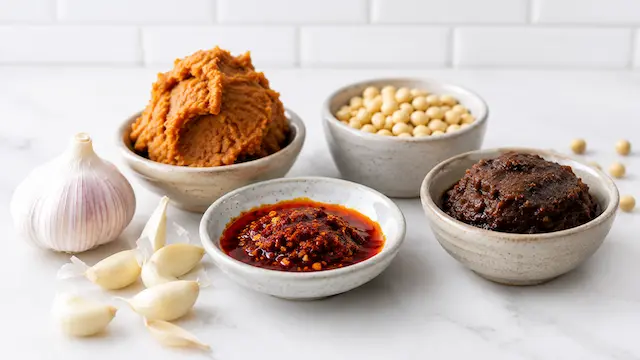
The best doubanjiang substitute is red miso mixed with chili oil and a few drops of soy sauce. This gives you fermented umami, chili heat, and salt in one quick replacement.
The best overall doubanjiang substitute is a mix of miso paste, chili oil or chili flakes, and a small amount of soy sauce. This combination gives you fermented umami, heat, and salt. It will not taste exactly like Pixian doubanjiang, but it works well enough for many home stir-fries, tofu dishes, and noodle sauces.
For one tablespoon of doubanjiang, try:
- 2 teaspoons red or brown miso
- 1 teaspoon chili oil or chili flakes
- A few drops of soy sauce if needed
Taste before adding extra salt.
If you searched for doubanjiang alternative, doubanjiang replacement, doubanjiang substitute, or chili bean paste substitute, start with the same formula: fermented paste plus chili heat plus salt. Red miso with chili oil is the easiest version for most home kitchens.
Best Doubanjiang Alternative
The best doubanjiang alternative for most home cooks is red miso mixed with chili oil. Red miso gives fermented soybean depth, while chili oil adds heat and aroma.
If you need a quick doubanjiang replacement for mapo tofu, spicy eggplant, or noodle sauce, start with this mixture before trying sweeter sauces.
This alternative is especially useful when you cannot find Pixian doubanjiang locally. It will not have the same broad bean aroma, but it gives a Sichuan-style sauce enough body to work in everyday recipes.
Doubanjiang Replacement vs Alternative: What To Use
For most recipes, doubanjiang substitute, doubanjiang replacement, and doubanjiang alternative mean the same thing: something that can replace Chinese chili bean paste when you cannot find it.
The most reliable replacement is red miso plus chili oil because it covers the two most important parts of doubanjiang: fermented bean flavor and chili heat. If you only have gochujang, use less because it is sweeter. If you only have soybean paste, add chili oil or chili flakes so the dish does not taste flat.
For mapo tofu, choose red miso with chili oil. For stir-fries, use soybean paste with chili flakes or miso with chili crisp. For noodle sauces, miso with chili oil is usually smooth and easy to mix.
If you are comparing doubanjiang replacement options, avoid choosing by spice level alone. A good replacement needs fermented depth first, then heat. That is why miso plus chili oil usually works better than plain hot sauce.
Best Substitute by Recipe
Different recipes need different parts of doubanjiang. Mapo tofu needs fermented depth and chili heat. Twice-cooked pork needs a salty, savory paste that can fry in oil. Noodle sauces can accept a softer, smoother substitute.
For mapo tofu, use red miso with chili oil and a few drops of soy sauce. For twice-cooked pork, use soybean paste with chili flakes or chili oil because the paste can fry with the pork and aromatics. For spicy soups or hot pot-style dishes, use miso, chili oil, and a small amount of fermented black beans if you have them.
If the recipe already includes soy sauce, oyster sauce, or salty broth, use less substitute at first and taste before adding more salt.
For Sichuan-style recipes, the best substitute is usually stronger and saltier. For non-Sichuan stir-fries, use a milder substitute so the dish does not become too spicy or too fermented.
Doubanjiang Substitute for Mapo Tofu
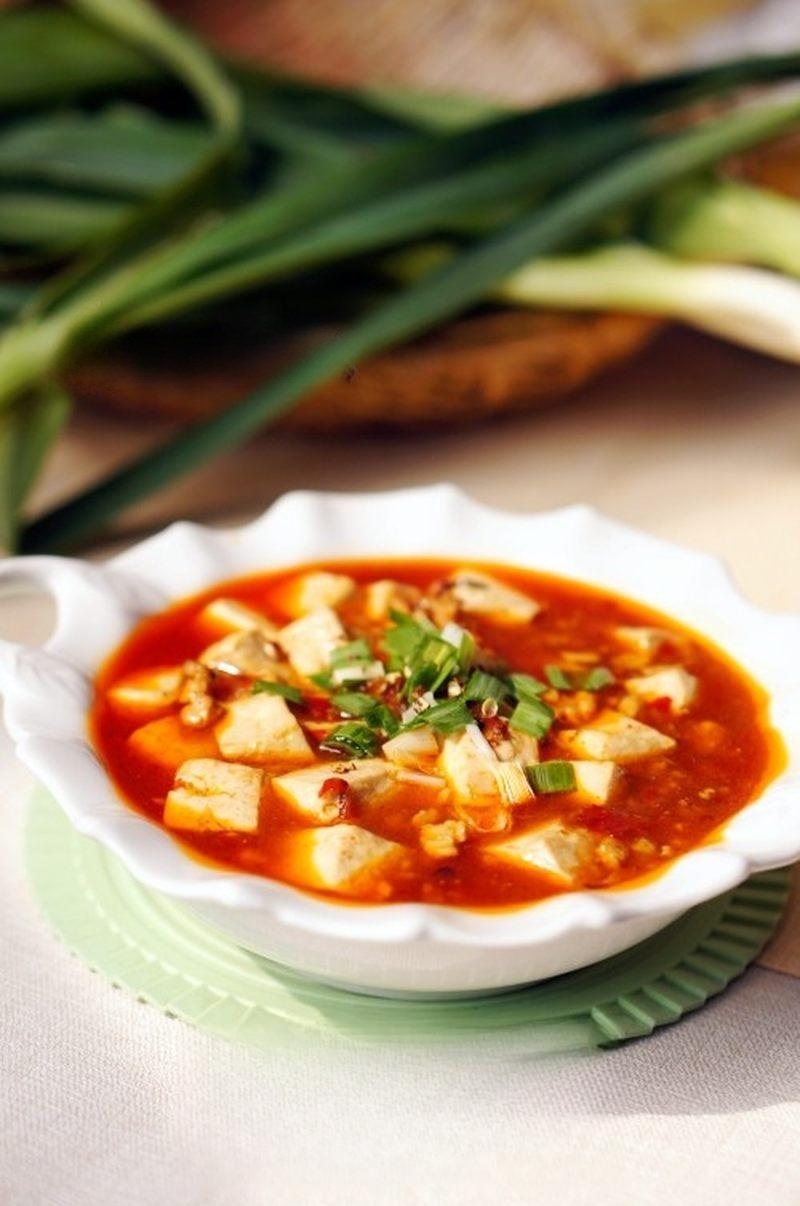
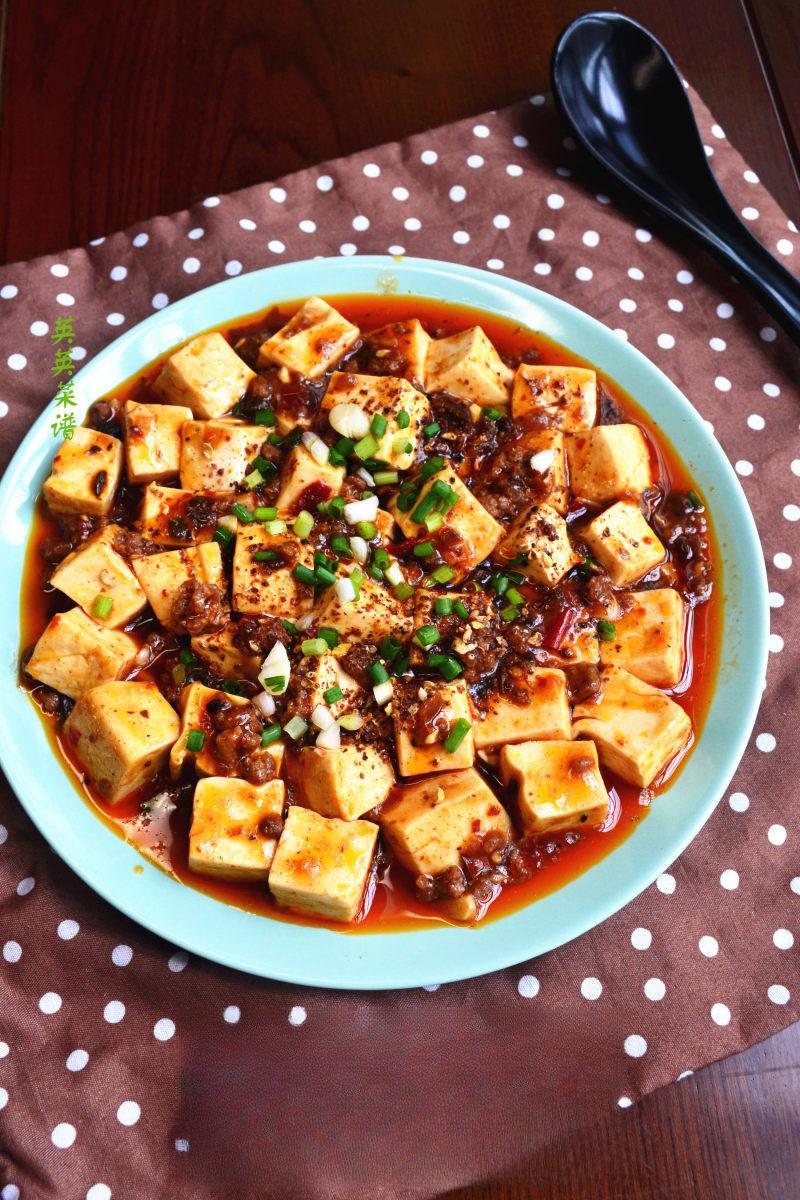
For mapo tofu, the best doubanjiang substitute is red miso mixed with chili oil, chili flakes, and a few drops of soy sauce. This gives the sauce fermented depth, red color, heat, and salt.
For 1 tablespoon of doubanjiang in mapo tofu, use 2 teaspoons red miso, 1 teaspoon chili oil, and a small pinch of chili flakes. If the sauce tastes flat, add a tiny amount of fermented black beans or extra soy sauce.
Mapo tofu without doubanjiang will taste less Sichuan, but this mixture is the most practical home-cooking replacement when you cannot find chili bean paste.
Best Doubanjiang Replacement
Miso plus chili oil is the most useful substitute because miso brings fermentation and umami, while chili oil or chili flakes bring heat. Use red miso if you have it because it tastes deeper than white miso.
This option works best in mapo tofu-style sauces, spicy eggplant, noodle sauces, and stir-fries where doubanjiang is part of a larger seasoning base.
The main difference is that miso is usually smoother and less chunky than doubanjiang. It also lacks the broad bean flavor of Sichuan chili bean paste.
To make the texture closer, you can stir in a small pinch of chili flakes or finely chopped fermented black beans. This is optional, but it helps the substitute feel less like a smooth paste and more like a cooked chili bean sauce.
Best Spicy Substitute
For a spicier substitute, combine miso with chili crisp or chili garlic sauce. Chili crisp adds oil, chili flakes, and aroma, while miso gives the fermented body.
Use this when the recipe needs heat and you do not mind a slightly different texture. It can work in tofu dishes, quick noodles, fried rice, or spicy vegetable stir-fries.
Be careful with chili crisp because it is often oily. If the recipe already uses a lot of oil, reduce the cooking oil slightly.
Best Mild Substitute
For a mild substitute, use soybean paste or miso with just a small pinch of chili flakes. This is useful when you want the savory fermented flavor but less heat.
Mild substitutes work better in family meals where spice needs to be controlled. The dish will not taste strongly Sichuan, but it can still be savory and balanced.
Best Emergency Substitute
If you have very few ingredients, use soy sauce, chili flakes, and a little garlic. This is not a true doubanjiang replacement, but it gives salt, heat, and aroma in an emergency.
Add a small amount of sugar if the sauce tastes harsh. If you have any miso, soybean paste, or fermented black beans, add a little for depth.
What Not To Use
Do not use plain hot sauce as a one-to-one substitute. Most Western hot sauces are acidic and thin, while doubanjiang is thick, salty, and fermented.
Do not use ketchup, sweet chili sauce, or sriracha alone if the recipe depends on doubanjiang for depth. They can add color and heat, but the final flavor will be much sweeter or more acidic.
Gochujang can sometimes work in small amounts, but it is sweeter and has a Korean flavor profile. Use it only when you are comfortable with the dish tasting different.
Can I Use Gochujang Instead of Doubanjiang?
You can use gochujang instead of doubanjiang in a pinch, but it is not the closest substitute. Gochujang is sweeter, smoother, and more Korean in flavor, while doubanjiang is saltier, chunkier, and more fermented.
If you use gochujang, use less than the recipe calls for, reduce sugar elsewhere, and add a little soy sauce or fermented black beans if you need more savory depth.
For one tablespoon of doubanjiang, start with two teaspoons gochujang, a small splash of soy sauce, and chili oil if you need more heat. Do not add extra sugar until you taste the sauce.
Gochujang vs Doubanjiang
Gochujang and doubanjiang are both fermented chili pastes, but they do not taste the same. Gochujang is usually sweeter, smoother, and thicker. Doubanjiang is saltier, chunkier, and more savory because it is made with fermented broad beans.
| Paste | Main Flavor | Best Use | Substitute Notes |
|---|---|---|---|
| Doubanjiang | Salty, spicy, fermented, savory | Sichuan dishes, mapo tofu, twice-cooked pork | The original choice for Sichuan chili bean paste flavor |
| Gochujang | Sweet, spicy, fermented, smooth | Korean stews, marinades, sauces | Use less, reduce sugar, and add soy sauce or fermented black beans |
If you use gochujang instead of doubanjiang, do not swap it one-to-one in very salty Sichuan dishes. Start with less, then adjust.
Substitute Comparison Table
| Substitute | Best For | Flavor Match | Notes |
|---|---|---|---|
| Red miso + chili oil | Best overall | Good | Fermented, spicy, easy to adjust |
| Miso + chili crisp | Spicy dishes | Good | More oily and textured |
| Soybean paste + chili flakes | Mild dishes | Medium | Savory but less Sichuan |
| Fermented black beans + chili oil | Stir-fries | Medium | Strong and salty |
| Soy sauce + chili flakes + garlic | Emergency | Low | Useful but not fermented enough |
Doubanjiang Substitute Ratio
For every 1 tablespoon of doubanjiang, start with 2 teaspoons red miso and 1 teaspoon chili oil or chili flakes. Add a few drops of soy sauce only if the dish needs more salt.
If you use gochujang, start with 2 teaspoons instead of a full tablespoon because it is sweeter. Add chili oil for heat and soy sauce or fermented black beans for savory depth.
Doubanjiang Alternative in Europe and the UK
If you are in Europe or the UK, look for labels such as chili bean paste, broad bean paste, Pixian bean paste, hot bean sauce, or Sichuan chili bean paste. Asian supermarkets may not always use the word doubanjiang on the front label.
If you cannot find it, use red miso with chili oil as the first substitute. For Dutch searches like doubanjiang vervangen, the practical replacement is still the same idea: combine fermented soybean flavor with chili heat and salt.
For searches like doubanjiang vervangen, doubanjiang alternative, and doubanjiang replacement, the safest shopping path is: look for Pixian bean paste first, then chili bean paste, then red miso plus chili oil if no Chinese paste is available.
Recipes That Use Doubanjiang
Doubanjiang is most useful when a recipe needs a spicy fermented base rather than only heat. It is commonly cooked in oil first, then mixed with garlic, ginger, tofu, meat, vegetables, or broth.
- Use the red miso and chili oil substitute for mapo tofu when you need fermented depth.
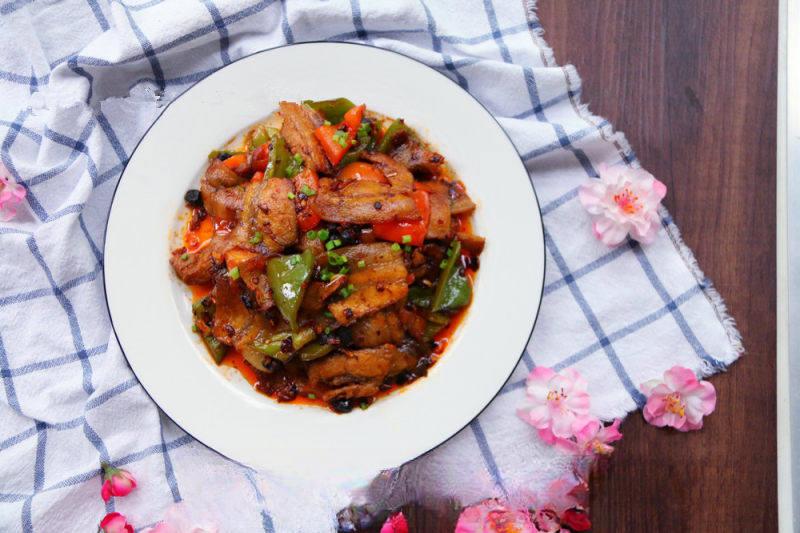
- Use soybean paste with chili flakes for twice-cooked pork or pork stir-fries.
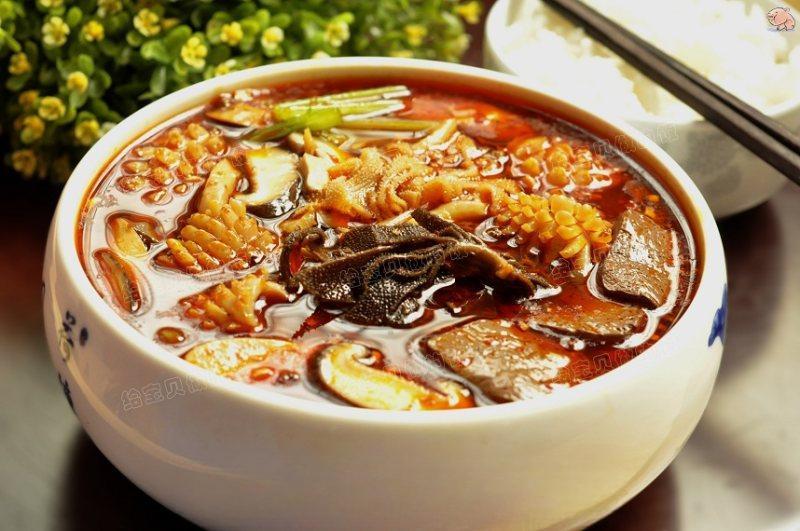
- Use miso, chili oil, and a small amount of fermented black beans for Mao Xue Wang-style spicy broth.
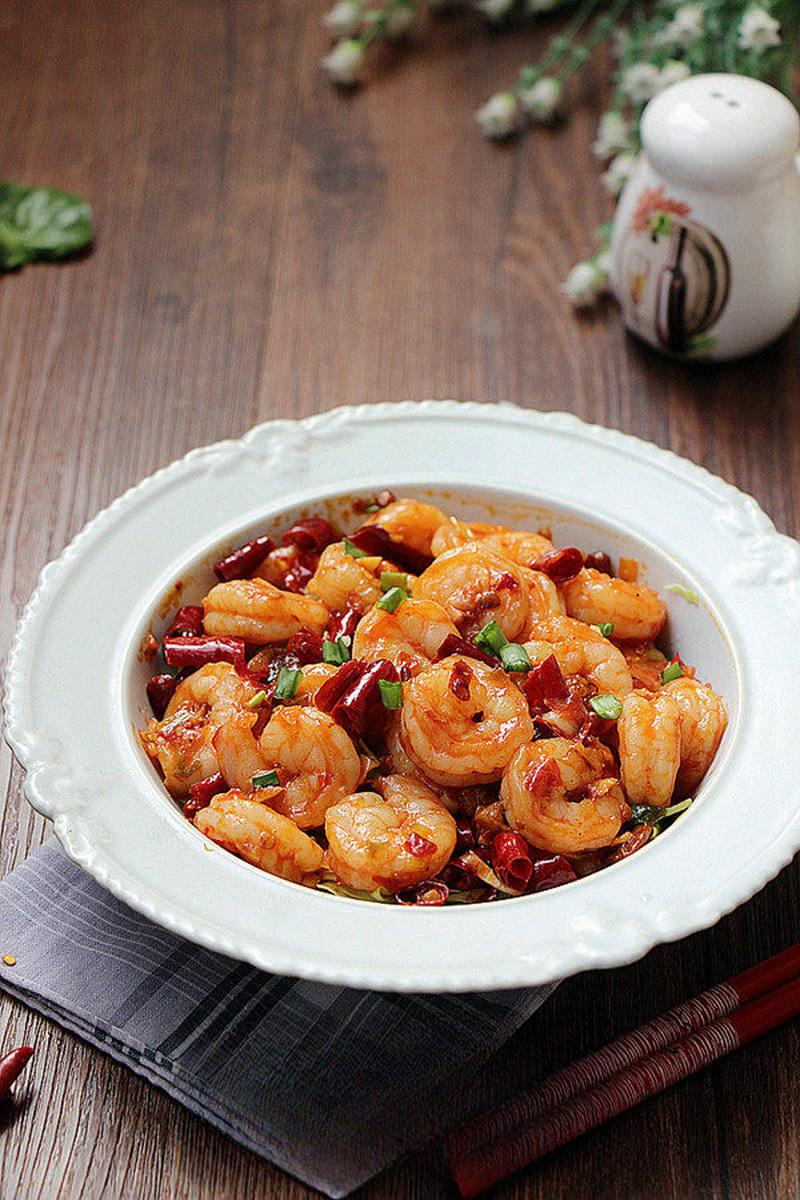
- Use a lighter amount in shrimp or vegetable stir-fries so the sauce does not overpower the main ingredient.
FAQs
Can I substitute miso for doubanjiang?
Miso can replace part of doubanjiang's fermented flavor, but it needs chili oil or chili flakes to replace the heat.
Is chili bean paste the same as doubanjiang?
Often, yes. Many English labels call doubanjiang chili bean paste or broad bean chili paste.
Can I use gochujang instead of doubanjiang?
You can use a small amount in some recipes, but gochujang is sweeter, smoother, and tastes different. Use less, reduce sugar elsewhere, and add soy sauce or fermented black beans if the dish needs more savory depth.
What is the best doubanjiang replacement?
The best doubanjiang replacement is red miso mixed with chili oil or chili flakes. It gives fermented depth, salt, and heat, though it will not taste exactly like Pixian doubanjiang.
What can I use instead of doubanjiang?
Use red miso with chili oil, miso with chili crisp, soybean paste with chili flakes, or fermented black beans with chili oil depending on the recipe.
What is the best substitute for mapo tofu?
Red miso mixed with chili oil is the most practical substitute for mapo tofu if you do not have doubanjiang.
Can I leave doubanjiang out?
You can, but the dish will lose a lot of depth, salt, and fermented chili flavor.
Is gochujang a good doubanjiang substitute?
Gochujang can work in a pinch, but it is sweeter and smoother. Use less than the recipe calls for, reduce sugar, and add soy sauce or fermented black beans for more savory depth.
What is the best doubanjiang substitute in Europe?
Look for chili bean paste, broad bean paste, Pixian bean paste, or hot bean sauce. If you cannot find them, use red miso with chili oil.
Conclusion
The best doubanjiang substitute is not one ingredient. It is a combination of fermented paste, chili heat, and salt. Start with miso and chili oil, then adjust until the sauce tastes savory, spicy, and balanced.
Related Guides and Recipes