Traditional Clear Broth Soups
Traditional Chinese clear soups often use ginger, scallions, tofu, eggs, greens, mushrooms, fish, chicken, or pork. The broth is usually clean, gently seasoned, and served beside rice and stronger dishes.
Chinese Soup Recipes
Explore Chinese soup recipes, easy Chinese soup ideas, traditional Chinese soup types, common soup ingredients, noodle soups, congee, and home-style broths.
Chinese soup can mean a light broth served with rice, a traditional slow-simmered soup, a noodle soup, congee, or a hot pot-style bowl. Most Chinese soup recipes are built around balance: a clear or flavorful liquid, simple aromatics, and ingredients that fit the purpose of the meal.
Chinese soup is not one single dish. It can be quick and light, rich and slow-cooked, spicy and meal-sized, or gentle enough to sit beside stronger stir-fries and braises. Many soups use ginger, scallions, mushrooms, tofu, eggs, meat, seafood, or greens to create aroma without relying on cream or heavy thickening.
At a Chinese home table, soup often helps balance the meal. A salty or spicy main dish can sit beside a clean broth. A noodle soup can become lunch on its own. A slow-simmered soup can turn a small set of ingredients into something warming and complete.
If you are searching for traditional Chinese soup recipes, start by choosing the role of the soup. A light egg, tofu, or vegetable soup is best as a side. A chicken, pork bone, beef, fish, or noodle soup can become the center of the meal. Congee and soup-like stews are useful when you want something soft, filling, and easy to reheat.
Traditional Chinese clear soups often use ginger, scallions, tofu, eggs, greens, mushrooms, fish, chicken, or pork. The broth is usually clean, gently seasoned, and served beside rice and stronger dishes.
Slow-simmered Chinese soups may use bones, meat, roots, dried mushrooms, aromatics, or dried ingredients. The goal is body and balance rather than heavy thickening.
Chinese noodle soups can be simple or rich. Many work best when noodles are cooked separately so the broth stays clear and the noodle texture stays controlled.
Congee, porridge, hot pot-style bowls, and stew-like soups can serve as complete meals when they include protein, vegetables, and starch.
Traditional Chinese soup recipes often begin with a small aromatic base: ginger to keep the flavor clean, scallions for fragrance, and sometimes Shaoxing wine for meat or seafood. From there, the soup can stay simple with tofu and vegetables or become deeper with bones, chicken, pork, beef, fish, dried mushrooms, or noodles.
The most useful habit is to decide what the soup should do. If it is a side dish, keep it light. If it is the main meal, add protein and starch. If it is meant to refresh the table, avoid over-seasoning and let the broth stay clean.
Many easy Chinese soup recipes start with a few repeat ingredients. Learn these first, then connect them back to soups, noodle bowls, hot pot-style dishes, and home-style broths.
Soup Ingredient
A mild gourd often used in light Chinese soups and slow-simmered broths.
Soup Ingredient
A quick-cooking green that works well in tofu soup, noodle soup, and clear broth.
Soup Ingredient
Soft tofu adds protein and a gentle texture to egg, vegetable, and seafood soups.
Soup Ingredient
Sweet and soft when cooked, useful in noodle soups, hot pot-style bowls, and simple broths.
Soup Ingredient
Fresh or dried shiitake mushrooms add savory depth to Chinese broths and noodle soups.
Soup Ingredient
A starchy root used in nourishing slow-simmered soups and gentle home-style broths.
Soup pages should help readers cook, not just browse. These basics answer the common questions behind Chinese soup recipes: how to keep broth clean, how to season it, and how to make it filling.
They keep broth clean and aromatic, especially when cooking chicken, pork, beef, fish, or seafood.
For pork bones, beef, or offal, a short blanch helps remove foam and keeps the final soup clearer.
Many Chinese soups taste best when the broth stays balanced instead of salty or heavy.
Serve a light broth beside stir-fries, or add noodles, rice, tofu, meat, and vegetables for a full meal.
Start with these soup and soup-like recipes from the current Home Wok Recipes collection.
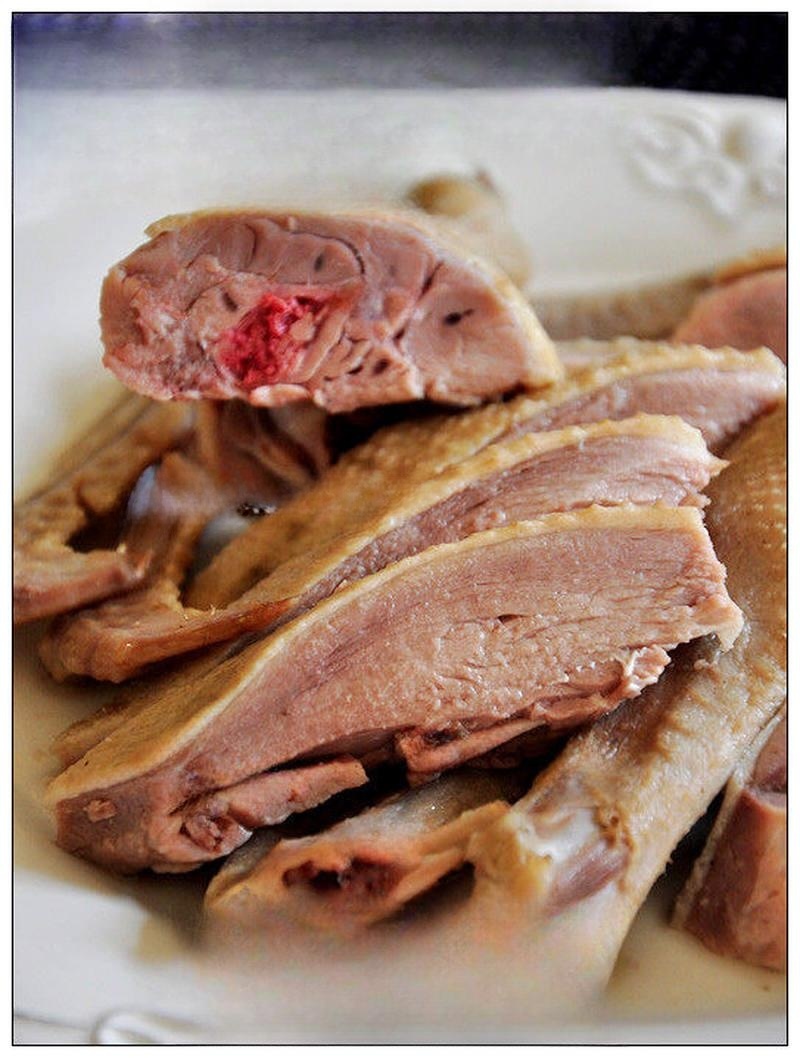
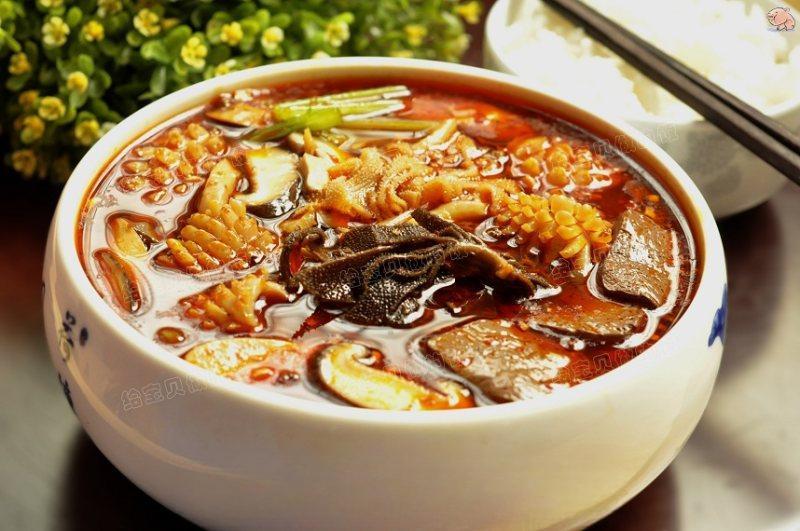
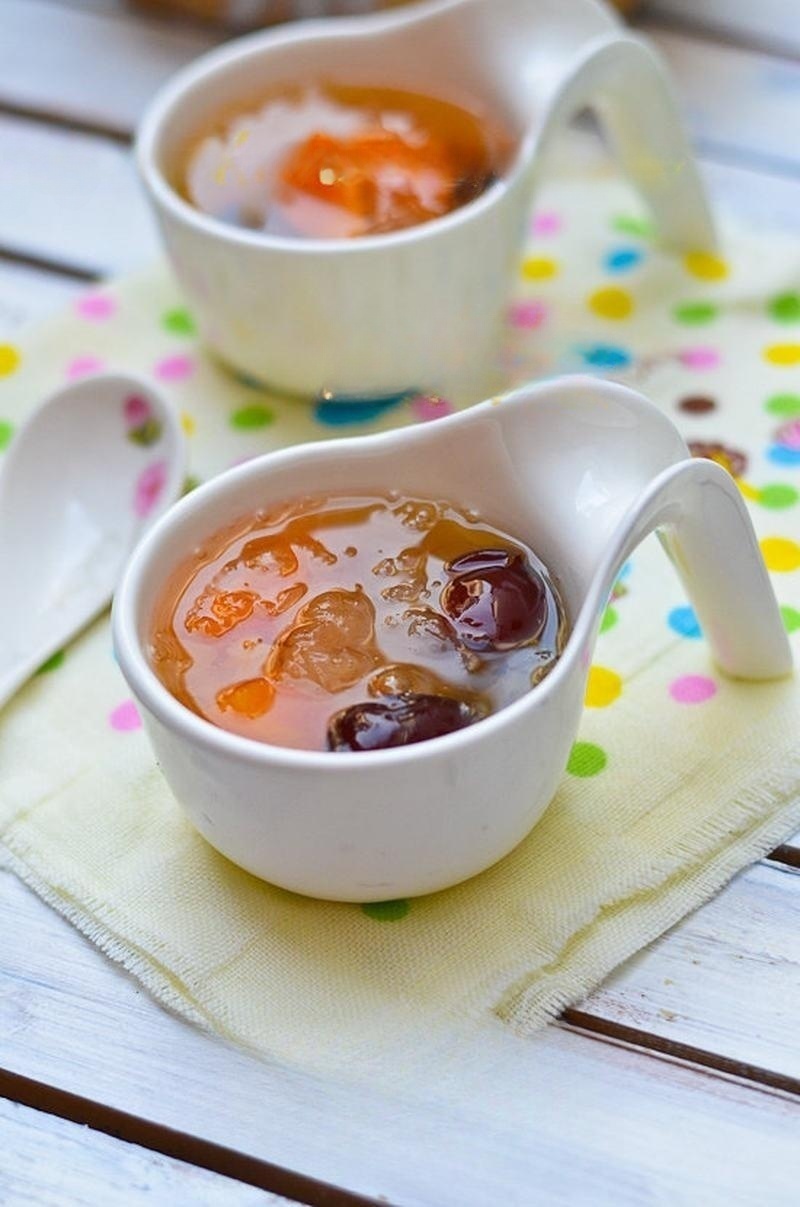
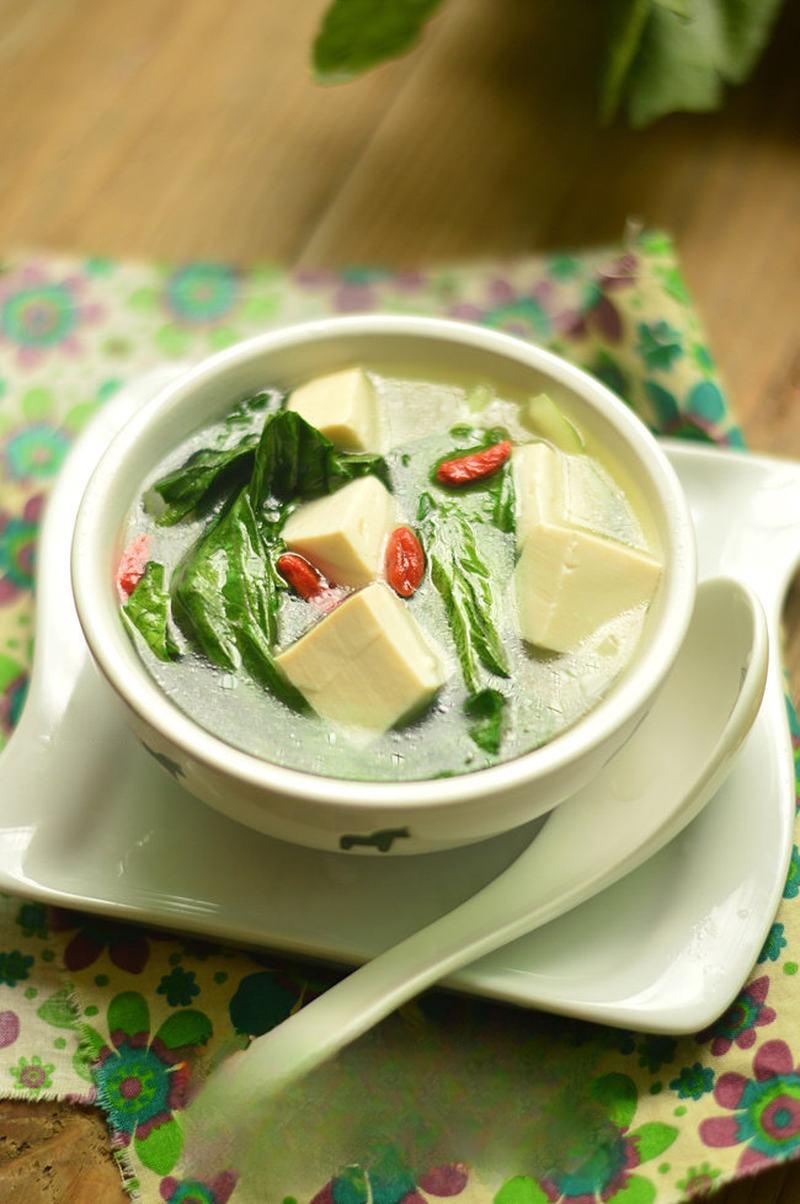
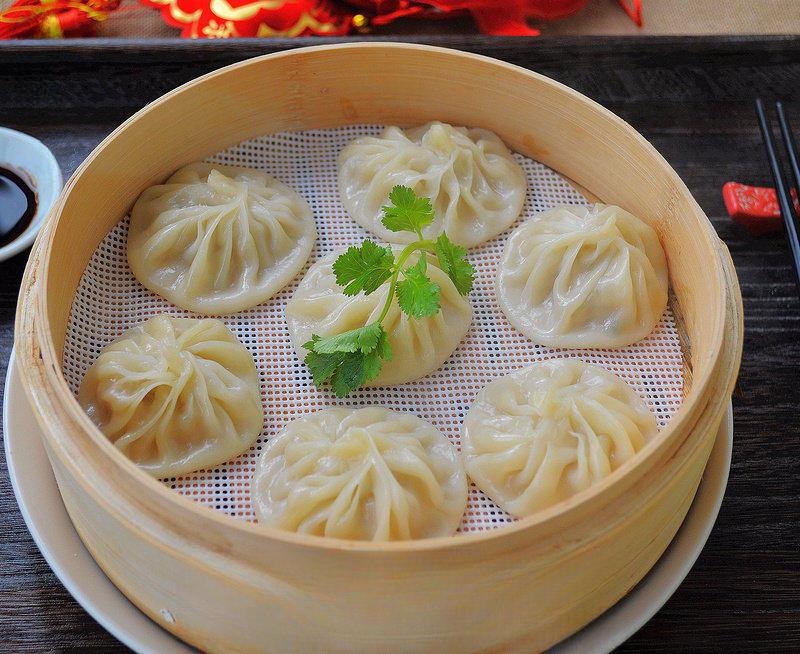
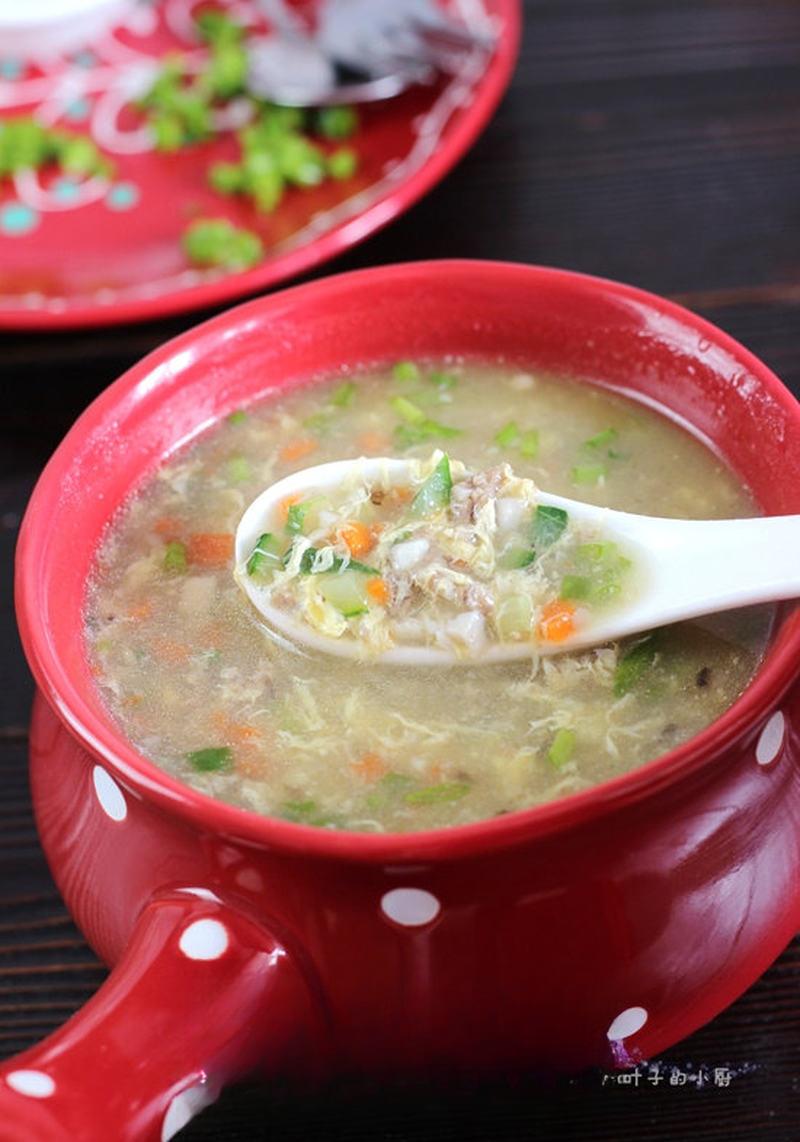
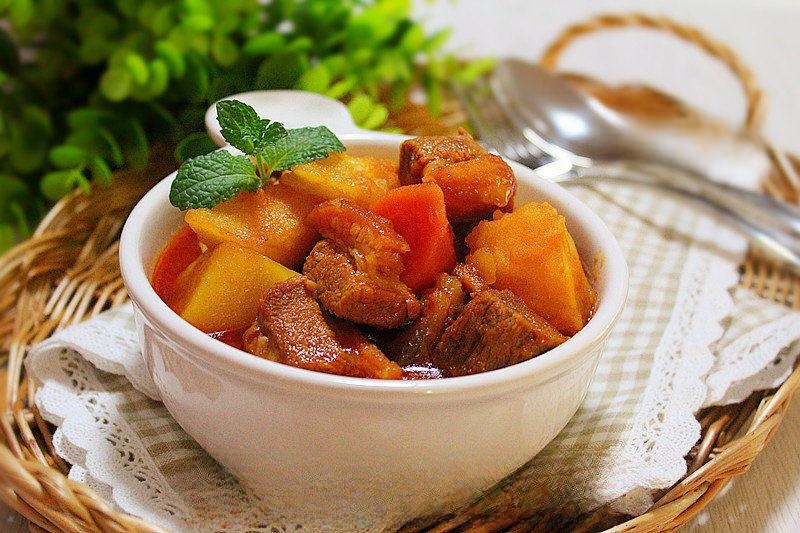
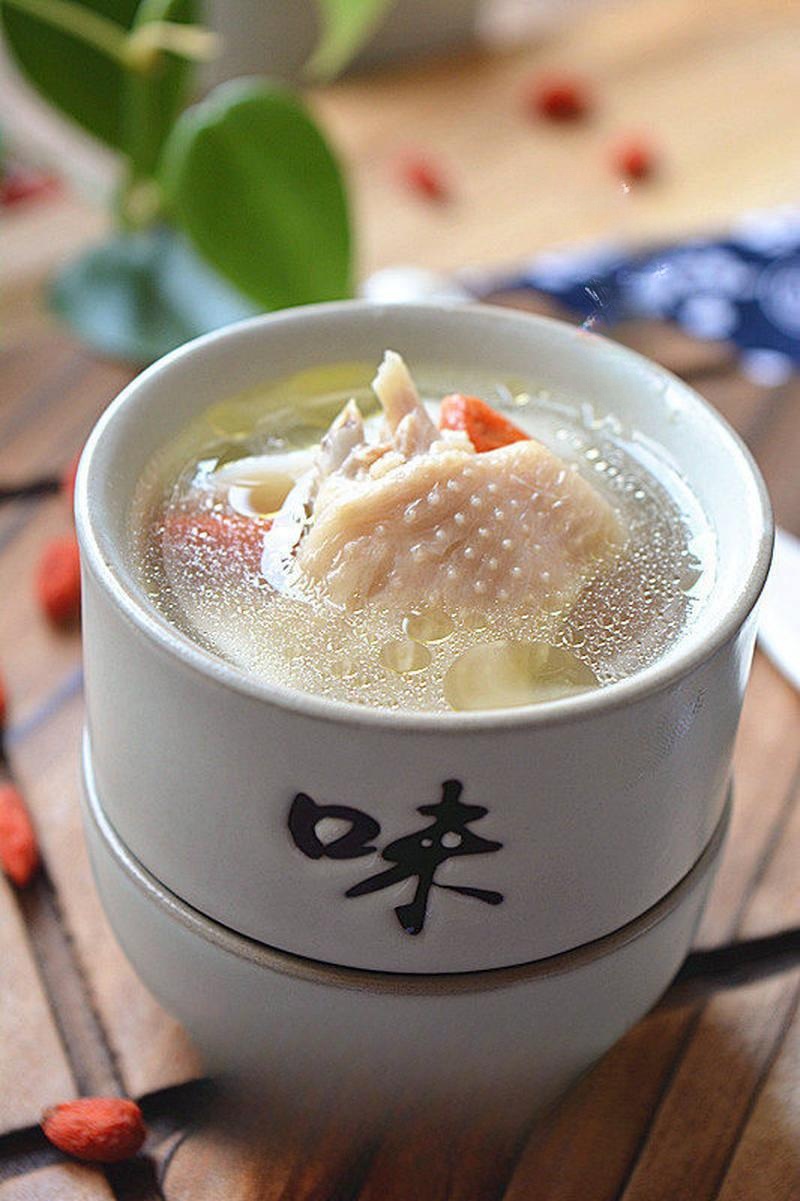
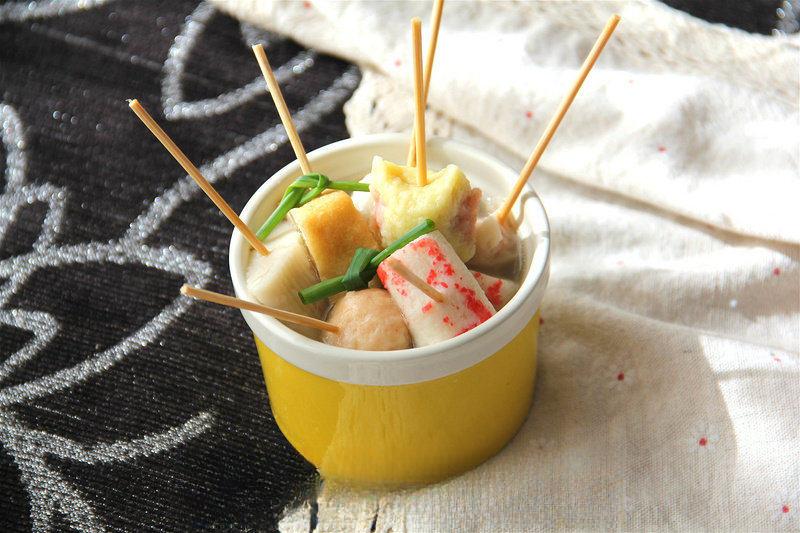
Chinese soup is a broad category that includes clear broths, quick vegetable soups, noodle soups, congee, slow-simmered soups, and hot pot-style bowls. Many Chinese soups focus on aroma, balance, and the natural flavor of ingredients.
Traditional Chinese soup recipes include clear broths, chicken soups, pork bone soups, fish soups, tofu soups, winter melon soup, lotus root soup, egg drop-style soups, noodle soups, and slow-simmered soups served with rice.
Common kinds of Chinese soup include clear broth soups, chicken soups, pork bone soups, tofu soups, egg drop-style soups, noodle soups, congee, and spicy hot pot-style soups.
Common Chinese soup ingredients include ginger, scallions, tofu, eggs, mushrooms, leafy greens, chicken, pork, beef, fish, shrimp, noodles, rice, and dried ingredients such as shiitake mushrooms.
Good beginner Chinese soups include tomato egg soup, bok choy tofu soup, simple chicken broth, fish soup, and quick noodle soups. They use familiar ingredients and teach broth seasoning without long simmering.
Yes. Noodle soups, congee, stews, and hot pot-style soups can be full meals when they include protein, vegetables, and a starch such as noodles or rice.