What Is Chinese Eggplant?
Learn what Chinese eggplant tastes like, how it differs from regular eggplant, how to cook it for stir-fries, how to reduce oiliness, and what to substitute.
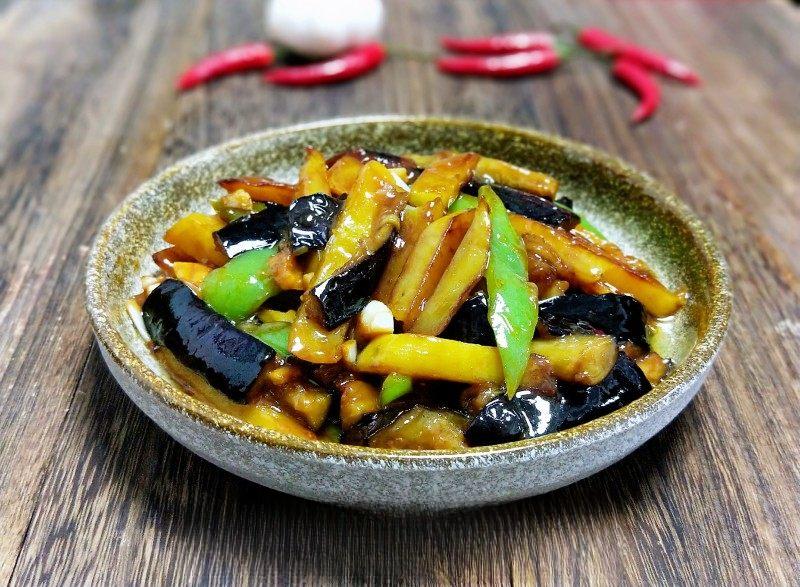
Chinese eggplant is a long, slender purple eggplant with thin skin, tender flesh, and a mild flavor. It is one of the most useful vegetables for Chinese stir-fries because it softens quickly and absorbs garlic, ginger, soy sauce, vinegar, chili, and fermented bean sauces.
Quick Answer
Chinese eggplant is a tender, thin-skinned eggplant used in stir-fries, braises, steamed dishes, and garlic sauce dishes. It cooks faster than large globe eggplant and becomes silky when cooked properly.
What Does Chinese Eggplant Taste Like?
Chinese eggplant tastes mild, slightly sweet, and gently earthy. It is less bitter than some larger globe eggplants, and the flavor is not strong on its own, so it works best with bold sauces.
Its texture is the main appeal. When cooked well, the flesh turns soft and silky without feeling heavy or greasy. Garlic sauce, soy sauce, black vinegar, oyster sauce, and doubanjiang all make the mild eggplant taste fuller.
Is Chinese Eggplant Bitter?
Chinese eggplant is usually not very bitter, especially when it is fresh, slender, and firm. Older eggplant with many seeds can taste more bitter or spongy, so choose glossy eggplants that feel heavy for their size.
Chinese Eggplant vs Regular Eggplant
Chinese eggplant is usually longer, thinner, and more delicate than globe eggplant. The skin is tender enough to leave on, and the flesh has fewer large seed pockets.
Globe eggplant can substitute in many recipes, but it may need more trimming, salting, or cooking time. Cut it into smaller pieces so it cooks evenly.
How Chinese Eggplant Is Used In Chinese Cooking
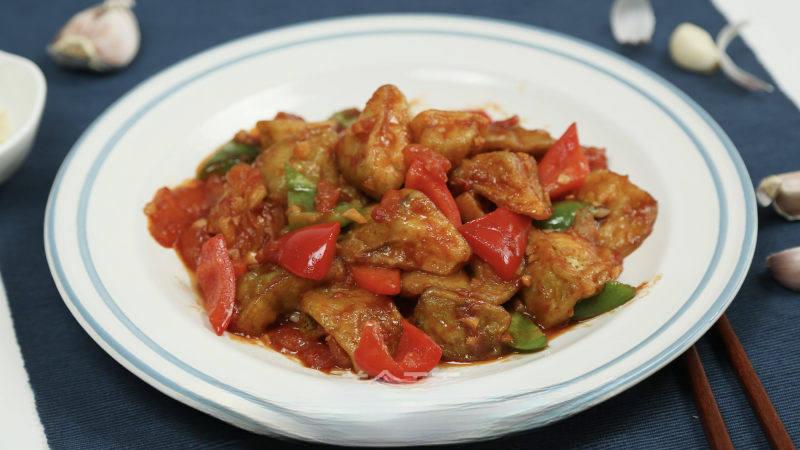
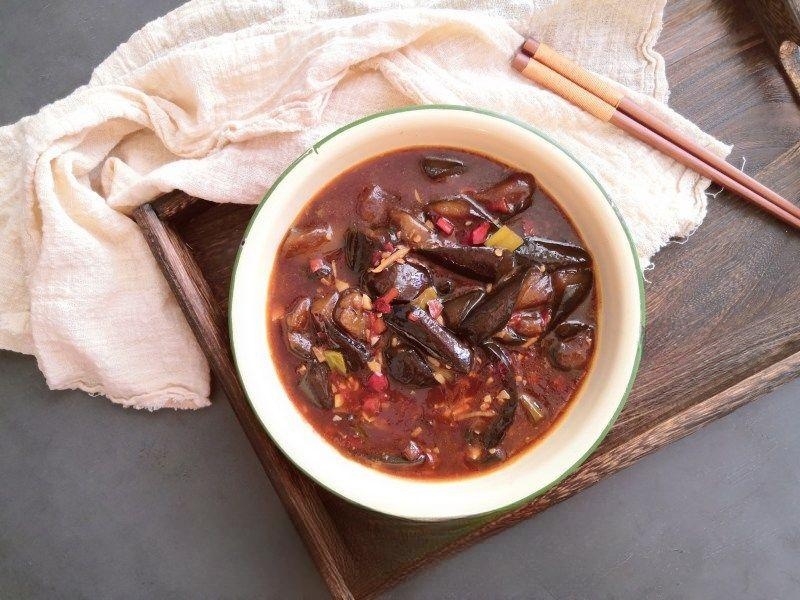
Chinese eggplant is often stir-fried with garlic sauce, minced pork, doubanjiang, black bean sauce, or light soy sauce. It is also steamed and dressed with garlic, vinegar, chili oil, and sesame oil.
For stir-fries, many cooks briefly shallow-fry, steam, or microwave the eggplant before adding sauce. This helps it soften without soaking up too much oil.
How To Prepare Chinese Eggplant
Trim the ends and cut the eggplant into batons, wedges, or roll-cut pieces. Keep the skin on unless it is damaged.
If the cut eggplant will sit for a while, keep it covered or lightly salted because the flesh can discolor. Cook it soon after cutting for the best texture.
Best Chinese Eggplant Substitute
Japanese eggplant is the closest substitute. Globe eggplant, Italian eggplant, or zucchini can work, but the texture and cooking time will be different.
FAQs
Do you need to peel Chinese eggplant?
No. Chinese eggplant has thin skin that becomes tender during cooking.
Why does eggplant absorb so much oil?
Eggplant flesh is spongy. Pre-steaming, microwaving, salting, or cooking quickly in a hot pan can reduce oil absorption.
What sauce goes with Chinese eggplant?
Garlic sauce, soy sauce, black vinegar, chili bean paste, oyster sauce, and black bean sauce all work well.
Is Chinese eggplant bitter?
Chinese eggplant is usually mild rather than bitter. Older eggplant with many seeds can taste more bitter, so choose firm glossy eggplants when possible.
Conclusion
Chinese eggplant is a tender vegetable built for bold sauces and fast cooking. Keep the pieces even, manage oil carefully, and pair it with garlic, soy sauce, vinegar, or chili bean paste.
Related Guides and Recipes