Chinese Cuisine
Traditional Sichuan Pickled Vegetables
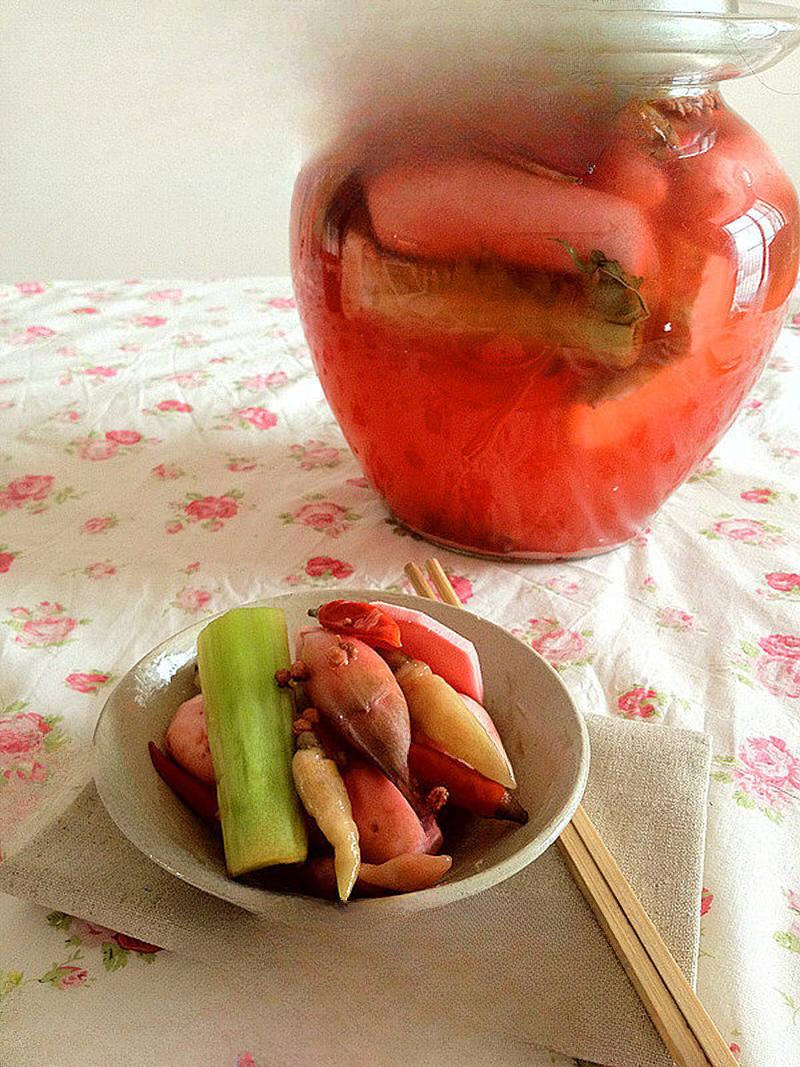
This Sichuan pickled vegetables recipe explains how to make traditional Chinese pickles with a mature-style brine, rice wine, salt, aromatics, and vegetables. The brine develops flavor over time and can be reused for cucumbers, carrots, radishes, cabbage stems, peppers, and other crisp vegetables. If you are looking for Chinese pickled vegetables or Sichuan pickle brine, this page focuses on the home method, clean handling, timing, and how to keep the flavor bright rather than harsh.
- Total
- 3-7 days
Quick Recipe Summary
- Cuisine
- Chinese
- Category
- Chinese Cuisine
- Method
- Chinese Cuisine
- Total Time
- 3-7 days
- Difficulty
- Intermediate
- Main Ingredient
- Mixed Vegetables
About This Recipe
This Sichuan pickled vegetables recipe explains how to make traditional Chinese pickles with a mature-style brine, rice wine, salt, aromatics, and vegetables. The brine develops flavor over time and can be reused for cucumbers, carrots, radishes, cabbage stems, peppers, and other crisp vegetables. If you are looking for Chinese pickled vegetables or Sichuan pickle brine, this page focuses on the home method, clean handling, timing, and how to keep the flavor bright rather than harsh.
Why You'll Love This Recipe
- Written with clear home-cooking steps so the process is easier to follow from start to finish.
- Breaks the method into manageable steps instead of assuming you already know the technique.
- Gives the dish a clear sour, spicy, savory flavor profile without making the method feel complicated.
- Useful as a reference recipe because the steps explain both what to do and what to watch for.
Ingredients
- As needed Mixed Vegetables
- 1 packet Pickling Salt
- 3 L Boiled and Cooled Water
- 100 ml Rice Wine
- 300 ml Mature Pickling Brine
- 20 Sichuan Peppercorns
- 10 Dried Red Chilies
- 5 slices Ginger
- 3 cloves Garlic
- 20 g Sugar
- 1 Star Anise
- 1 Bay Leaf
- 1 small piece Cinnamon Stick
- 1 tsp Fennel Seeds
- As needed Rice Wine Lees Starter
Ingredient Notes
These notes explain the role of the main ingredients so the recipe is easier to adjust.
Mixed Vegetables
Vegetables bring texture and freshness; cut them evenly so they cook or ferment at a similar pace.
Pickling Salt
This ingredient helps define the flavor, texture, or structure of the dish.
Boiled and Cooled Water
This ingredient helps define the flavor, texture, or structure of the dish.
Rice Wine
Rice wine adds aroma and helps soften stronger flavors in Chinese home cooking.
Ingredients & Techniques Used in This Recipe
These guides explain the key sauces, ingredients, and cooking techniques used in this recipe, so you can understand the dish instead of only following steps.
Step-by-Step Instructions
Step 1
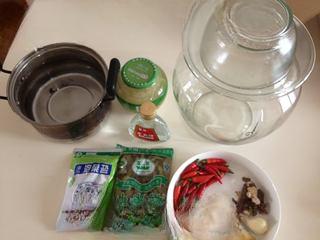
Gather all ingredients and prepare a clean fermentation jar.
Step 2
Sterilize the fermentation jar with boiling water and allow it to air-dry completely.
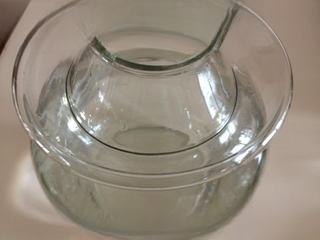
Step 3
Dissolve the pickling salt in the cooled boiled water and pour the solution into the jar.

Step 4
Add Sichuan peppercorns, dried chilies, ginger, garlic, star anise, bay leaf, cinnamon stick, fennel seeds, and sugar.
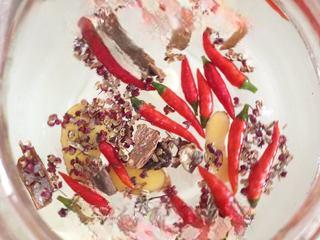
Step 5
Pour in the rice wine.
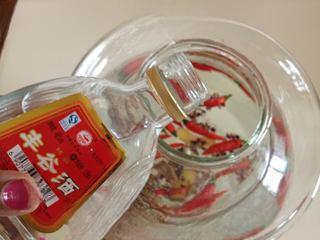
Step 6
Add the rice wine lees starter or fermentation starter.
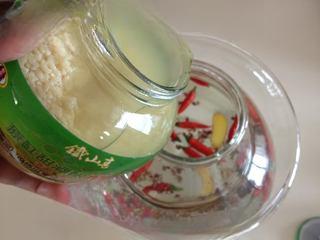
Step 7
Pour in the mature pickling brine to help establish fermentation.
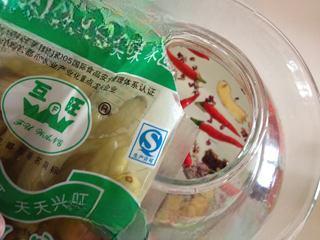
Step 8
Stir thoroughly until all ingredients are evenly distributed.
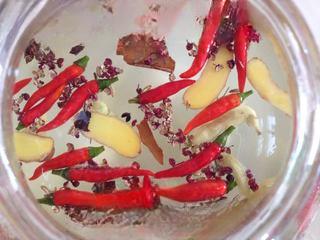
Step 9
Allow the brine to rest and begin fermenting.
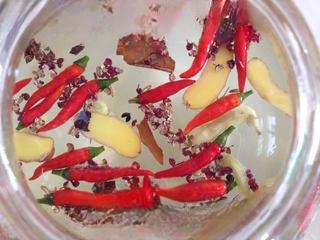
Step 10
Seal the jar and ferment until small bubbles appear on the surface. Add clean, dry vegetables and continue fermenting until they reach the desired sourness.
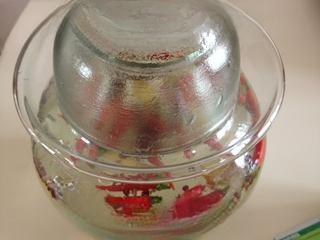
Cooking Tips
- The first batch of pickles may be saltier and less sour because the brine is still developing. Ensure that all vegetables are completely dry and free of oil before adding them to the jar. If a small amount of white yeast film appears, remove it promptly and add a splash of rice wine. Refresh the spices every 3-6 months for long-term use. Vegetables with high water content are best fermented separately to prevent dilution of the brine. Red-skinned radishes can be added to create a naturally reddish brine.
- Use clean jars and utensils so the Sichuan pickle brine stays stable.
- Keep vegetables submerged in the brine while they pickle.
- Discard the batch if you see mold, smell spoilage, or notice unsafe pressure buildup.
Serving Suggestions
- Serve it with steamed rice when you want a simple Chinese home-cooked meal.
- Use it as a small side dish with congee, noodles, dumplings, or a rich braised main.
- A small portion can brighten heavier dishes because the sour, salty flavor cuts through richness.
FAQ
What are Sichuan pickled vegetables?
Sichuan pickled vegetables are vegetables fermented or brined with salt, aromatics, spices, and sometimes rice wine. They are served as a small side, condiment, or flavor base for other dishes.
Can Sichuan pickle brine be reused?
Yes. A clean, well-maintained brine can be reused, but vegetables and utensils should be clean and the brine should smell pleasantly sour, not rotten or moldy.
Recipe Card
This Sichuan pickled vegetables recipe explains how to make traditional Chinese pickles with a mature-style brine, rice wine, salt, aromatics, and vegetables. The brine develops flavor over time and can be reused for cucumbers, carrots, radishes, cabbage stems, peppers, and other crisp vegetables. If you are looking for Chinese pickled vegetables or Sichuan pickle brine, this page focuses on the home method, clean handling, timing, and how to keep the flavor bright rather than harsh.
Ingredients
- As needed Mixed Vegetables
- 1 packet Pickling Salt
- 3 L Boiled and Cooled Water
- 100 ml Rice Wine
- 300 ml Mature Pickling Brine
- 20 Sichuan Peppercorns
- 10 Dried Red Chilies
- 5 slices Ginger
- 3 cloves Garlic
- 20 g Sugar
- 1 Star Anise
- 1 Bay Leaf
- 1 small piece Cinnamon Stick
- 1 tsp Fennel Seeds
- As needed Rice Wine Lees Starter
Method
- Gather all ingredients and prepare a clean fermentation jar.
- Sterilize the fermentation jar with boiling water and allow it to air-dry completely.
- Dissolve the pickling salt in the cooled boiled water and pour the solution into the jar.
- Add Sichuan peppercorns, dried chilies, ginger, garlic, star anise, bay leaf, cinnamon stick, fennel seeds, and sugar.
- Pour in the rice wine.
- Add the rice wine lees starter or fermentation starter.
- Pour in the mature pickling brine to help establish fermentation.
- Stir thoroughly until all ingredients are evenly distributed.
- Allow the brine to rest and begin fermenting.
- Seal the jar and ferment until small bubbles appear on the surface. Add clean, dry vegetables and continue fermenting until they reach the desired sourness.
More Chinese Recipe Guides
Related Recipes
Keep exploring Chinese home cooking with similar recipes and beginner-friendly dishes from the collection.